
Sauces & Condiments
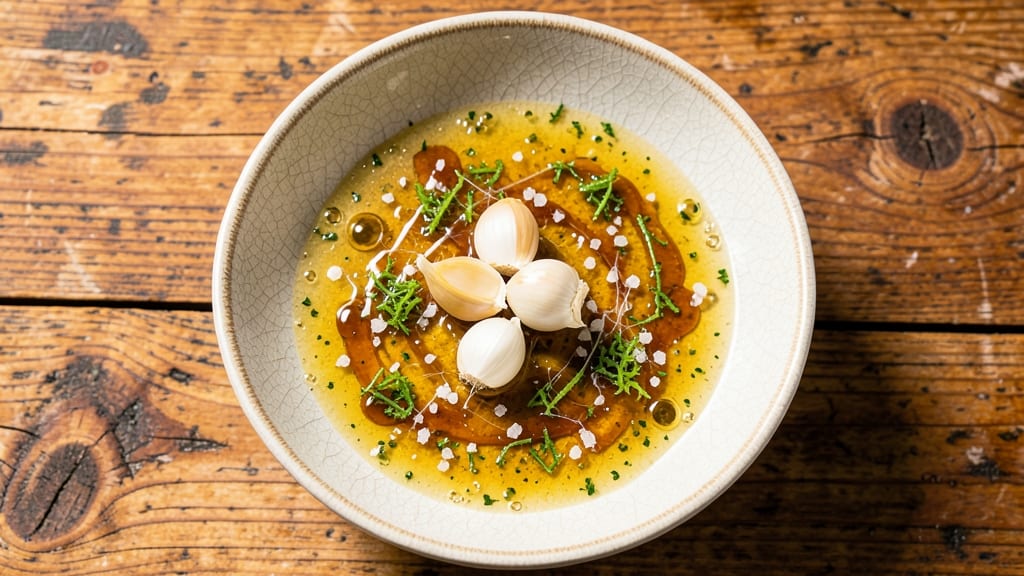
This calamansi salad dressing recipe transforms ordinary salads into vibrant, tangy masterpieces that taste like a burst of sunshine. 🌟 The key lies in balancing calamansi juice—bright, tart, and impossible to find in most grocery stores—with just the right amount of vinegar and oil to create a dressing that's both refreshing and rich.
I first discovered this combination while trying to recreate my grandmother's handwritten notes, which always called for "a squeeze of something sour" without specifying exactly what.
The beauty of this dressing is its versatility—it works as a zesty base for green salads, a tangy drizzle for grilled seafood, or even a marinade for chicken.
The secret is using fresh calamansi juice (or a high-quality substitute like a mix of lime and orange juice) and letting the dressing sit for at least 15 minutes before using. This allows the flavors to meld, creating a harmonious balance that's far more complex than store-bought versions.
What you'll end up with is a dressing that's light yet bold, with a citrusy punch that brightens any dish. The texture is silky-smooth, thanks to the combination of oil and a touch of honey or sugar to balance the tartness.
It keeps well in the fridge for up to a week, making it perfect for meal prep or gifting to salad-loving friends.
For extra depth, consider adding a pinch of chili flakes or fresh herbs like cilantro or basil. The possibilities are endless, but the foundation—calamansi, vinegar, and oil—is what makes this dressing truly special. Let's get started!
Ingredients for calamansi salad dressing
Here's what you need to make this sunshine-in-a-bottle dressing that'll transform your salads.
| Ingredient | Amount | Notes |
|---|---|---|
| Calamansi Juice 🍋 | ½ cup | Freshly squeezed, or lime/orange mix |
| White Vinegar 🍶 | ¼ cup | White or apple cider vinegar |
| Extra-Virgin Olive Oil 🫒 | ½ cup | Light or fruity variety preferred |
| Honey 🍯 | 1 tbsp | Or agave syrup for vegan option |
| Garlic Cloves 🧄 | 1 clove | Minced, for subtle depth |
| Salt 🧂 | ½ tsp | Diamond Crystal preferred |
| Black Pepper 🌶️ | ¼ tsp | Freshly ground for best flavor |
| Red Chili Flakes 🔥 | ¼ tsp | Optional, for heat kick |
| Fresh Cilantro Leaves 🌿 | ¼ cup | Chopped, for fresh finish |
Calamansi is the star, but it's tricky to find. Asian markets usually carry it fresh, or grab a bottle of juice from Filipino specialty stores. No calamansi? Mix lime juice with a splash of orange juice—it's not identical, but it works in a pinch. The vinegar balances the tartness, so don't skimp—apple cider vinegar adds a subtle sweetness that pairs beautifully. For the olive oil, grab a light or fruity variety—it should complement the citrus, not overpower it. I always check the expiration date on honey—old honey loses its floral notes, and we want that subtle sweetness to shine.
No calamansi juice? Double the lime juice and add 1 tsp orange juice—it's not perfect, but it'll get you close. Swapping vinegar? White wine vinegar works too, but cut the amount to 2 tbsp instead of 1/4 cup. The honey can be swapped for agave or maple syrup, though honey's floral notes are ideal. Chili flakes optional, but worth it if you love heat. Fresh cilantro adds brightness, but dried oregano at 1/4 tsp works if you're out. The garlic is non-negotiable though—it's what ties everything together. If you're prepping ahead, store the garlic and spices separately until ready to mix.
This dressing keeps for 1 week in the fridge, but it's best used fresh. Store in a glass jar with a tight lid—plastic can absorb flavors. Shake well before each use, especially if you're adding fresh herbs or spices later. For extra depth, let it sit for 15-20 minutes before using—this lets the flavors meld. I always make a double batch; one for salads, one for grilled chicken. The leftovers? Perfect for drizzling over seafood or tossing with roasted veggies.
Why You'll Love This Recipe
- I’ll be real: calamansi isn’t cheap, but a little goes a long way. A single juice yield stretches across multiple meals, and the rest of the ingredients? Pantry staples. You’re paying for flavor, not bulk—every drop delivers that signature tang that makes simple dishes feel special.
- Five-Ingredient Magic: I swear, this dressing comes together with fewer ingredients than most people’s spice rack. Just juice, vinegar, oil, honey, and garlic—no fancy gadgets, no last-minute grocery runs. The calamansi juice does the heavy lifting, brightening everything with that zesty, citrusy punch without overpowering.
- Bright & Tangy: Honestly, the balance here is chef’s kiss—the sharpness of calamansi cuts through rich greens or grilled meats, while the honey softens the acidity. That minced garlic? It adds a slow-building warmth that makes every bite feel intentional. Not too sweet, not too sour—just right.
- Meal Prep MVP: Between us, this dressing lasts forever in the fridge, and it only gets better as the flavors meld. I’ve drizzled it on overnight oats for breakfast, tossed it with cold noodles for lunch, and even used it as a marinade for chicken skewers. It’s the one thing I always have on hand, no matter what.
Step-by-step instructions for calamansi salad dressing
This bright, zesty dressing comes together in minutes with just a whisk and a few simple steps.
🍳 Step 1: Whisk Together the Wet Ingredients
In a medium bowl, combine the 0.5 cup calamansi juice with the 0.25 cup white vinegar. You'll notice the vinegar immediately brightens the citrus flavor—this is the base of your dressing. Stir well to fully integrate these two liquids before moving forward.
Next, add the 0.5 cup extra-virgin olive oil in a slow, steady stream while whisking continuously. This gradual addition creates a smooth emulsion rather than a separated dressing. The oil should blend seamlessly with the citrus-vinegar mixture, creating a cloudy, milky appearance that tells you everything's on track.
👨🍳 Step 2: Sweeten and Season the Mixture
Pour in the 1 tablespoon honey and whisk until fully dissolved. The honey will slightly thicken the dressing and balance the tartness of the calamansi. You'll see the mixture become slightly more viscous as the honey integrates completely.
Now for the aromatics: Add the 1 minced garlic clove, 0.5 teaspoon salt, 0.25 teaspoon black pepper, and 0.25 teaspoon red chili flakes. Whisk vigorously for about 30 seconds until the garlic is evenly distributed. The mixture should smell vibrant—bright citrus, garlicky warmth, and a subtle hint of spice. If you're sensitive to heat, you can reduce the chili flakes to 0.125 teaspoon for a milder version.
🥘 Step 3: Finish with Fresh Cilantro
Stir in the 0.25 cup chopped fresh cilantro leaves using a spoon rather than whisking. This ensures the delicate leaves stay intact rather than being torn into tiny pieces. The cilantro adds a fresh, herbal note that cuts through the richness of the olive oil and balances the acidity.
Taste and adjust seasoning if needed. You might want to add a pinch more salt or a touch more honey to suit your preference. The dressing should be tangy, slightly sweet, with a bright citrus pop and subtle garlic heat. If it's too thick, whisk in 1-2 teaspoons of water until you reach your desired consistency.
⏰ Step 4: Rest and Serve
Let the dressing sit at room temperature for 5-10 minutes before using. This brief resting period allows all the flavors to meld together perfectly. The dressing will naturally thicken slightly as it comes to room temperature, which is ideal for tossing with greens.
Give it a final taste before serving—you'll be amazed at how the flavors have come together. This dressing works beautifully on mixed greens, grilled chicken salads, or even as a marinade for seafood. Store any leftovers in an airtight container in the refrigerator for up to 5 days, shaking well before each use to redistribute the ingredients.
Pro Tips For Making Calamansi Salad Dressing
- STRAIN THE GARLIC WELL: After mincing, let the garlic sit for 2 minutes—it softens and releases more flavor. Then strain through a fine-mesh sieve to remove any grit. I learned this the hard way when a chunk ended up in my dressing and ruined the texture.
- MIX IN STAGES: Start with vinegar and honey, then olive oil last—this prevents the dressing from separating. Whisk vigorously for 30 seconds after each addition. Sounds simple, but I used to dump everything in at once and end up with a sad, oily puddle.
- USE FRESH CALAMANSI JUICE: Bottled juice lacks brightness. Roll the fruit in a towel first to soften it, then hand-squeeze through a cheesecloth. The effort makes a real difference—your dressing will taste like summer, not a sad grocery store bottle.
- BALANCE THE ACIDITY: Taste after mixing vinegar and juice. If it’s too sharp, add honey gradually—about ½ teaspoon at a time. I was skeptical until I tried it: the right balance keeps the dressing from tasting like a science experiment.
Troubleshooting this recipe
Separation Issues
If your dressing separates after mixing, don't panic—this is common with citrus-based dressings. The oil and citrus juice naturally want to split apart. To fix it, simply whisk vigorously for 30-60 seconds until the mixture becomes smooth again.
For future batches, try adding 1 tsp Dijon mustard or 1 tsp xanthan gum to help stabilize the emulsion. I've found that adding the mustard first, before the oil, makes a noticeable difference in keeping things together. 💡
Too Tart or Too Sweet
If your dressing tastes overwhelmingly tart, balance it with an extra ½ teaspoon honey or ½ teaspoon maple syrup. For a sweeter dressing that's too cloying, add 1-2 teaspoons white vinegar to cut through the sweetness.
Taste as you go—this is where having a small bowl of the dressing for testing comes in handy. My grandmother always said, "Trust your tongue, not the recipe," and she was right.
Herbs Turning Bitter
Fresh cilantro can develop a bitter taste if left too long in the dressing. If you notice this after storing overnight, simply remove the cilantro and add fresh leaves when ready to use. For extra freshness, store the herbs separately in a small container and add them just before serving.
I keep a small jar of chopped cilantro in my fridge specifically for dressings—I add it to everything from vinaigrettes to soups. 🌿
Oil Overpowering Citrus
If the olive oil flavor dominates the citrus notes, try using a lighter oil like avocado oil or grape seed oil for your next batch. These oils have a more neutral profile that lets the calamansi shine.
You can also reduce the oil slightly to ¼ cup and add 1 tablespoon water to maintain the right consistency. The key is balance—you want the citrus to be the star, not the supporting actor.
Thickness Problems
If your dressing is too thick, thin it with 1-2 teaspoons of water or apple juice until it reaches a pourable consistency. For a thicker dressing, let it sit at room temperature for 10-15 minutes before using—it naturally thickens as it cools.
If you prefer a more emulsified texture, whisk in 1 teaspoon of cornstarch mixed with 1 teaspoon water and heat gently until thickened. I've found that dressings often thicken more after refrigeration, so it's better to err on the thinner side when making it fresh.
Calamansi Substitute Issues
If you're using a lime-orange juice substitute, you might notice the dressing tastes slightly flatter. To compensate, add ½ teaspoon of lemon zest or 1 drop of orange extract to boost the citrus complexity. The zest adds aromatic oils that mimic the bright, floral notes of fresh calamansi.
I keep a small bottle of orange extract in my pantry specifically for these situations—it's a game-changer when fresh citrus isn't available. 🍊
Nutrition facts
Frequently asked questions about calamansi dressing
What's the best way to find calamansi if I can't find it fresh?
Check Asian grocery stores or Filipino specialty shops—they often carry fresh calamansi or bottled juice. As a substitute, mix lime juice with 1 tsp orange juice per ½ cup lime juice for a close approximation. The orange juice adds depth that plain lime lacks.
Can I make this dressing without honey?
Yes! Swap the 1 tbsp honey for 1 tbsp agave syrup or 1 tbsp maple syrup for a vegan version. If you prefer no sweetener, reduce the vinegar to 2 tbsp instead of ¼ cup to balance the tartness without added sweetness.
How long does this dressing last in the fridge?
Store in an airtight glass jar for up to 5 days in the fridge. Shake well before each use—citrus dressings naturally separate. For longer storage, freeze portions in ice cube trays (thaw in fridge overnight before using).
Can I use this dressing on cooked proteins?
It makes an excellent marinade for chicken or shrimp (marinate for 15-30 minutes) or a zesty sauce for grilled fish. The acidity tenderizes proteins while the citrus brightens flavors. For best results, pat proteins dry before applying.
Why does my dressing taste flat after refrigeration?
Cold temperatures mute citrus flavors. Let the dressing sit at room temperature for 5-10 minutes before using. For extra brightness, add 1 tsp fresh lemon juice when serving. The cold also causes oils to separate—whisk vigorously before using.