
Sauces & Condiments
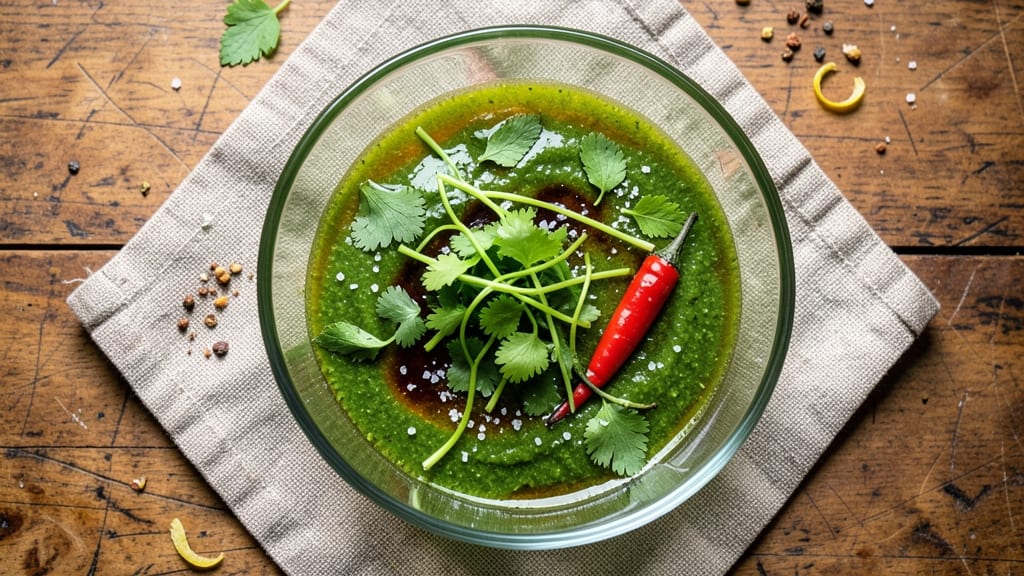
This Cambodian salad dressing transforms simple greens into a vibrant, flavor-packed experience that captures the essence of Southeast Asian cuisine. The secret lies in balancing tangy lime juice, salty fish sauce, and fresh herbs—creating a dressing that's both complex and easy to make.
I developed this recipe after years of studying my grandmother's handwritten notes, where she'd simply write "fish sauce + lime + herbs" with no measurements, trusting intuition over precision.
The dressing's magic comes from its umami depth—fish sauce provides that signature savory punch while lime brightens the profile, and a touch of sugar balances the acidity. Fresh herbs like cilantro and mint add freshness, while chili brings just enough heat to make every bite exciting.
What makes this dressing special is its versatility: it elevates everything from fresh spring rolls to grilled meats and even noodle bowls.
With just 5 simple ingredients and 10 minutes of prep, you'll have a dressing that stays fresh in the fridge for up to a week. The texture is light yet clings beautifully to leaves, transforming simple salads into restaurant-quality dishes.
My grandmother always said good dressing should "make the food sing"—this one delivers every time.
Perfect for Cambodian dishes like lok lak or amok, but equally at home on Western salads. The dressing's bold flavors pair wonderfully with grilled chicken, shrimp, or even as a marinade. Let's create this dressing that brings a taste of Cambodia to your kitchen.
Ingredients for cambodian salad dressing
Five essential ingredients balancing bold Cambodian flavors for a dressing that elevates any salad.
| Ingredient | Amount | Notes |
|---|---|---|
| Fresh Lime Juice 🍋 | ½ cup | Freshly squeezed, seeds strained out |
| Cambodian Fish Sauce 🍶 | ⅓ cup | High-quality, like Red Boat or Three Crabs |
| Fresh Cilantro Stems and Leaves 🌿 | ½ cup | Packed, roughly chopped with stems |
| Fresh Mint Leaves 🌿 | ¼ cup | Packed, finely chopped |
| Bird's Eye Chili 🌶️ | 1 whole | Finely minced or seeded for less heat |
| Granulated Sugar 🍚 | 1 ½ tbsp | Or coconut sugar for caramel notes |
| Sesame Oil 🫒 | 1 ½ tbsp | Toasted for nutty aroma |
The fish sauce is non-negotiable—Red Boat or Three Crabs are my go-tos, but any reputable brand works. Look for that deep, funky aroma in the bottle; if it smells like vinegar, it's past its prime. Lime juice should be freshly squeezed (no bottled stuff)—Mexican or Persian limes work best, but regular limes in a pinch. The herbs? Cilantro and mint from the grocery store's produce section are fine, but the stems add extra flavor, so don't toss them. If you can't find bird's eye chili, Thai bird's eye or even serrano peppers will work, just adjust the amount for heat.
No fish sauce? Soy sauce or coconut aminos can mimic the umami, though it won't be identical. Fresh herbs wilt fast, so use them within 2 days of purchase—wrap them in damp paper towels in a bag for extra freshness. The sugar balances the acidity, but honey or maple syrup work too if you prefer. Sesame oil adds depth; if you're avoiding it, toasted peanut oil is a decent swap. For a smoother texture, blend everything first, but I love the rustic look of finely chopped herbs—it's all about preference here.
This dressing keeps beautifully in an airtight jar in the fridge for up to 1 week, though the herbs may wilt slightly after a few days. For longer storage, freeze in ice cube trays and thaw as needed—perfect for batch cooking. The flavor actually improves after sitting for a few hours, so make it ahead if you can. A splash of water can thin it out if it gets too thick, but it's usually just right for tossing with greens or drizzling over dishes.
Why You'll Love This Recipe
- Five-Ingredient Magic: I swear by this one—just lime, fish sauce, herbs, chili, and a little elbow grease. No fancy gadgets, no waiting for anything to simmer. Honestly, I’ve made it while standing at the stove stirring a wok with one hand.
- Bright & Tangy Kick: That first squeeze of lime juice hits like a wake-up call, but it’s the fish sauce and chili that make it sticky good—savory, bright, with just enough heat to linger. I’ll be real: my kids still ask for seconds, even though they pretend they don’t like spicy food.
- Dresses Up Everything: Slather it on grilled shrimp, toss it with rice and veggies, or drizzle it over cold noodles. It’s my go-to for lazy weeknights when I’m staring at a fridge full of random leftovers. Between us, it turns sad salads into something people actually finish.
- Lasts All Week: Make a double batch—it keeps in the fridge for days without losing its punch. I’ve had this dressing survive three meals, a lunchbox, and still taste fresh. Plus, fish sauce is cheap, so you’re not breaking the bank for flavor that packs a wallop.
Step-by-step instructions for Cambodian salad dressing
This dressing balances bright citrus, umami depth, and aromatic herbs for a perfect Southeast Asian-inspired finish.
Blend the Herbs and Chili to Release Aromas
In a food processor or blender, combine the 0.5 cup fresh cilantro stems and leaves and 0.25 cup fresh mint leaves. Pulse until finely chopped but not pureed—you want visible texture, not a smooth paste. Add the 1 whole Bird's Eye Chili (seeded if you prefer less heat) and pulse again just until minced. This step ensures the herbs' vibrant flavors infuse completely while maintaining their fresh character.
I like to give the herbs a quick sniff after blending—they should smell intensely aromatic, like a burst of garden freshness. If using a mortar and pestle instead, pound the herbs and chili vigorously for 2-3 minutes until the mint releases its signature coolness and the cilantro's citrusy notes emerge. This manual method adds a satisfying tactile element to the process.
Whisk Together Lime Juice, Fish Sauce, and Sugar
In a medium bowl, whisk the 0.5 cup fresh lime juice with the 0.33 cup Cambodian Fish Sauce until fully combined. The mixture should look like a pale, translucent liquid with tiny citrus particles suspended. Add the 1.5 tbsp granulated sugar and whisk vigorously for 30 seconds until dissolved. This balance of acid, umami, and sweetness forms the dressing's flavor foundation.
Here's the thing—don't rush the whisking. The sugar needs to fully dissolve to prevent gritty texture later. Taste the mixture now: it should be intensely tangy with a salty, funky depth from the fish sauce. If it's too sharp, add a pinch more sugar; if too mild, a splash more lime juice. This is your flavor baseline before adding the herbs.
Incorporate the Herb Paste and Sesame Oil
Transfer the herb-chili mixture from the food processor to the bowl with the lime-fish sauce mixture. Using a fork or small whisk, gently fold everything together until just combined. The dressing will look speckled with green and red flecks. Drizzle in the 1.5 tbsp sesame oil while whisking continuously—this prevents the oil from separating and creates an emulsified texture.
I always add the sesame oil last because it's the lightest component. Swirl the dressing with the whisk for 10-15 seconds after adding the oil to ensure even distribution. The final texture should be silky but still show visible herb specks—this indicates proper emulsification without over-blending. The aroma should now combine all elements: citrus, umami, herbal freshness, and nutty sesame notes.
Rest and Adjust for Perfect Balance
Let the dressing rest at room temperature for 10 minutes before using. This allows all the flavors to meld completely. After resting, give it one final taste and adjust if needed: a splash more lime juice for brightness, a touch more fish sauce for umami depth, or a pinch of sugar to balance acidity. The dressing should coat your tongue with a perfect harmony of flavors—tangy, savory, slightly sweet, and herbaceous.
This dressing works best when used within 24 hours for maximum freshness. For longer storage, transfer to an airtight container and refrigerate—it'll keep for up to 5 days, though the herbs will soften slightly over time. The key to great Cambodian dressing lies in this balance: never let the fish sauce overpower the bright citrus, and always maintain that herbal freshness at the finish.
Pro Tips For Making Cambodian Salad Dressing
- STRAIN THE CHILI: Bird’s eye chilies lose their punch when muddled—just slice them thin and strain out the seeds after a quick soak in warm water for 30 seconds. This keeps the heat sharp without the bitterness that comes from overworking the peppers.
- USE CILANTRO STEMS: Toss the cilantro stems into the mortar with the leaves—they pack more flavor and a subtle earthiness that rounds out the dressing. Chop them coarsely so they blend in without turning the mix into mush.
- DILUTE THE FISH SAUCE: Start with half the fish sauce called for, then add the rest gradually while tasting. Cambodian fish sauce is saltier than the Thai kind, and you’ll regret overdoing it—especially if you’re using it on something delicate like shrimp or greens.
- REST THE DRESSING: Let the dressing sit for 10 minutes before using it. The lime and fish sauce mellow out, and the herbs release their oils more evenly—trust me, it makes a real difference when tossed with warm noodles or grilled meat.
Best sauces and condiments for this dish
Classic Pairings
This dressing shines on Cambodian spring rolls—drizzle it over the crispy rolls with fresh herbs for a restaurant-quality finish. I love it on grilled lemongrass chicken too, where the dressing's tangy notes complement the smoky char.
For a quick lunch, toss it with mixed greens, shredded cabbage, and sliced cucumber for a refreshing salad. 🌿
Spicy Variations
For extra heat, add 1 tbsp of minced Thai chili or a dash of chili flakes—I like to toast them first for deeper flavor. If you prefer sweetness, swap the sugar for 1 tbsp of honey or maple syrup to balance the acidity.
For a smoky twist, add ½ tsp of smoked paprika to the herb blend before processing.
Sweet and Tangy Twist
Balance the dressing's bold flavors with a touch of sweetness by adding 1 tbsp of coconut sugar or agave syrup. This works beautifully with mango slices or pineapple chunks in a fruit salad.
The natural sweetness of the fruit pairs perfectly with the dressing's tangy and savory notes, creating a delicious contrast.
Storage Tips
Store the dressing in an airtight glass jar in the fridge for up to 5 days. The herbs will soften slightly, but the flavor remains vibrant. For longer storage, freeze it in ice cube trays—just thaw and stir before using.
To preserve freshness, add a splash of lime juice before storing to keep the herbs bright.
Modern Adaptations
For a vegan version, replace the fish sauce with coconut aminos or soy sauce, though the umami depth won't be identical. If you're avoiding sesame oil, try toasted peanut oil for a similar nutty aroma.
For a lighter texture, blend the dressing until smooth, but I prefer the rustic look of chopped herbs for that authentic Cambodian touch.
Occasion Uses
This dressing is perfect for weeknight dinners—it takes minutes to make and elevates simple dishes. Use it as a marinade for grilled shrimp or tofu, or drizzle it over steamed rice for a flavorful bowl.
It's also great for holiday gatherings, where it can be served as a condiment alongside appetizers or main courses. 💫
Nutrition facts
Frequently asked questions
What makes this Cambodian dressing different from other Asian dressings?
The secret lies in the fish sauce and lime juice combination, which creates a unique umami-tangy balance. Unlike Thai or Vietnamese dressings, Cambodian versions often include cilantro stems and mint leaves for extra herbal depth, plus a touch of sesame oil that adds nutty aroma. The sugar isn't just sweetness—it balances the acidity perfectly, making it more complex than store-bought versions.
Can I make this dressing without fish sauce?
Yes, but the flavor will change significantly. Try coconut aminos or soy sauce for umami, though neither replicates fish sauce's funky depth. For authenticity, use anchovy paste (½ tsp dissolved in warm water) as a substitute—it's closer to the real thing. Just reduce the amount by half since anchovies are saltier. The dressing will still work, but it won't have that signature Cambodian punch.
How spicy should the dressing be?
The recipe uses 1 whole bird's eye chili for mild heat, but you can adjust to taste. For no heat, remove the seeds and membranes completely. For extra spice, add ½ tsp of chili flakes or an additional chili. Remember, the dressing's heat builds when mixed with other ingredients, so start mild if you're unsure. The herbs help balance any spiciness with their cool freshness.
Can I use this dressing on non-Cambodian dishes?
It pairs wonderfully with grilled chicken, shrimp skewers, or even steamed vegetables. For Western salads, toss it with mixed greens and avocado—the lime and fish sauce create a surprisingly sophisticated flavor. Try it as a marinade for tofu or beef strips too. The key is balancing its bold flavors with complementary ingredients.
Why does my dressing separate?
Separation usually happens when the sesame oil isn't fully emulsified. Whisk vigorously for 10-15 seconds after adding the oil, or blend everything together for a smoother texture. If it separates later, simply whisk again before using. For extra insurance, add 1 tsp of cornstarch mixed with water to help stabilize the dressing. The herbs also help bind the ingredients naturally—just make sure they're finely chopped.