Salads
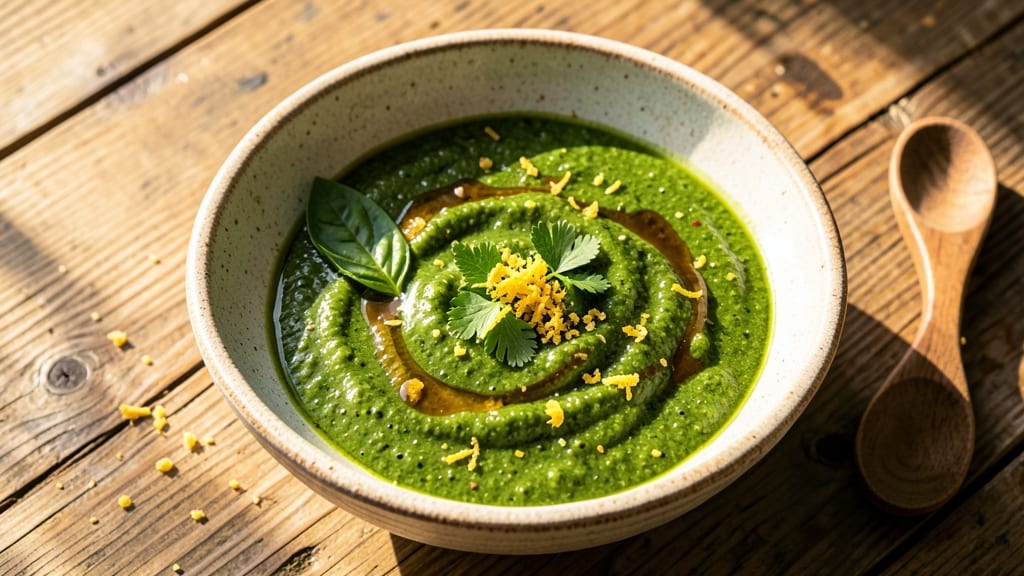
This classic Italian herb oil dressing from Campisi’s House transforms ordinary salads into restaurant-worthy meals with just a few simple ingredients and a bright lemon twist.
The secret lies in balancing rich olive oil with tangy vinegar and fresh herbs, creating a dressing that clings beautifully to greens while enhancing their natural flavors.
I developed this recipe to replicate the kind of dressing you'd find in a charming Italian trattoria—simple yet deeply flavorful, with no complicated emulsions or expensive ingredients.
What makes this dressing truly special is its versatility. Use it as a zesty vinaigrette for crisp green salads, a flavorful drizzle over hearty pasta salads, or a bright accent for grain bowls.
The key to its success is the proper ratio of olive oil to vinegar, which creates a silky texture without overpowering the fresh herbs. A touch of Dijon mustard helps bind the ingredients, ensuring the dressing stays cohesive even after a few days in the fridge.
The result is a dressing that's both elegant and effortless—bright, herby, and just slightly tangy, with enough acidity to cut through rich ingredients like creamy avocados or salty cheeses. The fresh basil and parsley add layers of aromatic freshness, while the lemon zest brightens every bite.
This dressing is the kind that makes you want to eat salads more often, and it's so easy to make that you'll never reach for bottled again.
Best of all, this recipe scales perfectly for meal prep. Double the batch and store it in the refrigerator for up to a week, shaking gently before each use to redistribute the herbs.
For extra richness, stir in a spoonful of high-quality olive oil just before serving. Let's make dressing that tastes like a vacation to Italy, one salad at a time.
Ingredients for campisi's house salad dressing
Nine simple ingredients create a dressing that tastes like a vacation to Italy.
| Ingredient | Amount | Notes |
|---|---|---|
| Extra-Virgin Olive Oil 🫒 | 1 cup | High-quality, fruity variety preferred |
| Red Wine Vinegar 🍷 | ¼ cup | Dry, aged variety for depth |
| Fresh Basil Leaves 🌿 | ½ cup | Packed, stems removed |
| Fresh Flat-Leaf Parsley 🌿 | ¼ cup | Chopped finely |
| Dijon Mustard 🟡 | 1 tbsp | For binding and tang |
| Lemon Zest 🍋 | 1 tsp | Freshly grated |
| Garlic Cloves 🧄 | 2 cloves | Peeled, minced finely |
| Sea Salt 🧂 | ½ tsp | Fine grain preferred |
| Black Pepper 🌶️ | ¼ tsp | Freshly ground |
| Honey 🍯 | 1 tsp | Optional, for subtle sweetness |
The olive oil is the foundation—look for extra-virgin with a fruity, peppery finish at stores like Whole Foods or Trader Joe's. Fresh herbs are non-negotiable here; the basil and parsley should be vibrant, not wilted. I always grab mine from the market on the same day I make the dressing. For vinegar, aged balsamic or red wine vinegar adds depth, but white wine vinegar works in a pinch. The Dijon mustard helps emulsify, so don't skip it—Maille is my go-to brand for that perfect balance of tang and creaminess.
No fresh basil? Dried basil at one-third the amount works, but you'll miss that bright, aromatic punch. Short on parsley? Fresh cilantro or dill adds a different but equally fresh note. The honey is optional but adds a touch of sweetness that rounds out the acidity—local raw honey works beautifully here. For a sharper kick, add an extra teaspoon of lemon juice. This dressing stays cohesive for days, but if it separates, just whisk vigorously before using. The garlic can be roasted for a milder flavor if you prefer.
Store in an airtight jar in the fridge for up to 7 days. Shake gently before each use to redistribute the herbs. For extra richness, stir in a spoonful of high-quality olive oil just before serving. This dressing freezes beautifully for up to 3 months—portion into ice cube trays for single-use servings. Double the batch if you're prepping for the week; it's that good.
Why You'll Love This Recipe
- No-Chop, No-Fuss Mix: I swear by this—just toss the basil and parsley into the blender whole (yes, stems and all) with the olive oil, vinegar, and mustard. The blades do the work, and you’re left with a silky, herby dressing that’s smoother than store-bought. My lazy Sundays just got a glow-up.
- Herb-Packed Punch: That bright red wine vinegar cuts through the richness of the olive oil, while the Dijon mustard adds a little tangy bite. The basil and parsley? They infuse the dressing with this fresh, almost floral aroma—like a summer breeze in a bottle. Honestly, it’s the kind of flavor that makes you want to drizzle it on everything.
- Weeknight to Dinner Party: This dressing is my secret weapon for everything from a quick lunch salad to a fancied-up charcuterie board. Double the batch, store it in the fridge, and you’ve got a ready-to-go upgrade for any meal. Even my picky college-aged nephew asks for it now—high praise.
- Budget-Friendly Luxury: Extra-virgin olive oil and fresh herbs might sound fancy, but this recipe uses just enough to stretch it far. A little goes a long way, and you’re not stuck with a half-empty jar of overpriced dressing. Plus, herbs from the garden (or even a grocery store bouquet) make it feel gourmet without the markup.
Step-by-step instructions for campisi's house salad dressing
This classic Italian herb oil dressing delivers bold flavor with perfect balance every time.
Prepare the Herb Base
In a food processor, combine the 0.5 cup fresh basil leaves and 0.25 cup fresh flat-leaf parsley. Pulse until finely chopped—you want a paste-like consistency that will blend seamlessly with the other ingredients. The fresh herbs provide the aromatic foundation that sets this dressing apart from basic vinaigrettes.
I like to add the 2 cloves garlic cloves at this stage and pulse just until minced. The garlic should be finely dispersed but not pureed into a paste. This ensures even distribution throughout the dressing without overpowering the delicate herb flavors. Transfer the herb mixture to a small bowl and set aside.
Whisk Together Wet Ingredients
In a separate bowl, whisk together the 1 cup extra-virgin olive oil, 0.25 cup red wine vinegar, 1 tbsp Dijon mustard, and 1 tsp lemon zest. The Dijon mustard acts as an emulsifier, helping to bind the oil and vinegar for a stable dressing. Start with a slow whisk to combine, then increase speed until the mixture is smooth and fully incorporated.
Add the 0.5 tsp sea salt and 0.25 tsp black pepper while whisking continuously. The salt should dissolve completely, and the pepper should be evenly distributed. This is where you'll notice the lemon zest brightening the flavors—it adds a subtle citrus note that cuts through the richness of the olive oil.
Combine and Emulsify
Gradually add the herb mixture to the wet ingredients while whisking vigorously. The key here is to work in small batches—about 1 tablespoon at a time—to prevent the dressing from separating. The herbs should blend smoothly without leaving any visible chunks. If you notice the dressing starting to thicken or separate, add 1 teaspoon of water at a time until it reaches a pourable consistency.
For an extra touch of sweetness, stir in the 1 tsp honey at the end. This optional ingredient rounds out the flavors and balances the acidity of the vinegar. The dressing should now have a vibrant green hue from the herbs and a smooth, velvety texture. Taste and adjust seasoning if needed—this is your chance to fine-tune the balance of flavors.
Rest and Adjust
Let the dressing rest for 10-15 minutes at room temperature. This allows the flavors to meld and the emulsification to stabilize. I always find that resting the dressing enhances its depth—it's worth the wait. After resting, give it one final whisk to ensure everything is well combined.
The dressing should now be ready to use. If it's too thick for your liking, thin it with 1 teaspoon of water at a time until it reaches your desired consistency. For best results, use the dressing immediately, but it will keep in an airtight container in the refrigerator for up to 5 days. The flavors actually improve over time, developing a richer complexity.
Pro Tips For Making Campisi'S House Salad Dressing
- STACK THE HERBS: Start by roughly chopping the basil and parsley together—no need for perfect uniformity. The idea is to release their oils, not create a garnish. I used to worry about even cuts, but this dressing thrives on texture, and over-chopping just makes it watery.
- EMULSIFY IN STAGES: Add the Dijon mustard first, then the vinegar, and only then the olive oil—slowly, drop by drop at first. The mustard acts as a natural emulsifier, but rushing the oil will separate it faster than a summer salad wilts. I learned this after watching three batches split like oil and water.
- USE COLD MUSTARD: Pull the Dijon from the fridge and let it sit for 10 minutes before mixing. Cold mustard blends smoother and doesn’t heat up the dressing prematurely, which can turn it greasy. Sounds odd, but it makes a real difference—especially if you’re making this ahead.
- SALT THE VINEGAR: Taste the vinegar before adding it to the mix and adjust with a pinch of salt—even if the recipe doesn’t say to. Red wine vinegar can taste sharp or muted depending on the batch, and this balances it instantly. I skip this step sometimes, and the dressing never quite hits the mark.
Wine and beer pairings for these flavors
Italian White Wine
This dressing pairs beautifully with a crisp Italian white wine like Vermentino or Pinot Grigio. The bright acidity of these wines mirrors the lemon and vinegar in the dressing, creating a harmonious balance.
I love a chilled glass of Vermentino from Sardinia—its citrus notes complement the herbs perfectly. Serve it slightly chilled to enhance the refreshing qualities of both the wine and the dressing. 🍷
Dry Rosé
A dry rosé with a touch of Provençal herbs works wonderfully with this dressing. Look for one with notes of strawberry and citrus, like a Provence rosé from Domaine Tempier.
The delicate fruitiness of the wine won’t overpower the dressing’s herbal notes, making it a refreshing choice for warm weather salads. Pair it with a light lunch featuring grilled vegetables or a Caprese salad.
Light Beer Options
For beer lovers, a crisp Italian lager like Peroni or Moretti is ideal. The subtle maltiness of these beers won’t clash with the dressing’s bright flavors. Alternatively, a Belgian witbier with its citrus and coriander notes adds an interesting contrast. Serve the beer ice-cold to balance the dressing’s richness. 🍺
Sparkling Wine
A glass of Prosecco or Cava elevates this dressing to a celebratory level. The bubbles cleanse your palate between bites, making the flavors of the dressing pop even more. Opt for a dry or brut style to avoid sweetness that might compete with the dressing’s tangy notes.
This pairing is perfect for special occasions or when you want to make your salad feel like a gourmet experience.
Non-Alcoholic Pairings
Don’t overlook sparkling water with a splash of lemon or Italian sangria (non-alcoholic version) for a refreshing match. For a more robust option, try a sparkling hibiscus tea—its tartness complements the dressing’s acidity beautifully. These choices keep the meal light and refreshing while still enhancing the dressing’s vibrant flavors.
Nutrition facts
Frequently asked questions
Can I make this dressing without fresh herbs?
Yes, but the flavor will be less vibrant. Use 1 tbsp dried basil and 1 tsp dried parsley instead of fresh, but reduce the amount by one-third. For extra depth, add ½ tsp dried oregano or ½ tsp dried thyme. The texture will be less silky, but it’ll still taste delicious!
How do I fix a dressing that separated?
Whisk vigorously to re-emulsify, then add 1 tsp water at a time until smooth. If it’s still too thick, stir in ½ tsp Dijon mustard to help bind the ingredients. The dressing should blend back together within 2-3 minutes of whisking. Always store it in a sealed jar to prevent future separation.
What’s the best way to store leftover dressing?
Transfer to an airtight glass jar and refrigerate for up to 7 days. Shake gently before using to redistribute the herbs. For longer storage, freeze in ice cube trays—each cube makes a perfect single serving. Thaw overnight in the fridge before using to preserve texture.
Can I use this dressing on non-salad dishes?
Drizzle over grilled chicken, roasted vegetables, or pasta dishes like penne alla vodka. It also works beautifully as a marinade for fish or shrimp—just reduce the vinegar to 2 tbsp and add 1 tsp olive oil for a lighter coating.
Why does my dressing taste too strong?
It likely needs more olive oil to balance the acidity. Gradually whisk in 1 tbsp extra oil at a time until the flavors mellow. If it’s too salty, thin with 1 tsp water and adjust seasoning. The dressing should taste bright but never overpowering—aim for a harmony of flavors, not dominance.