
Salads
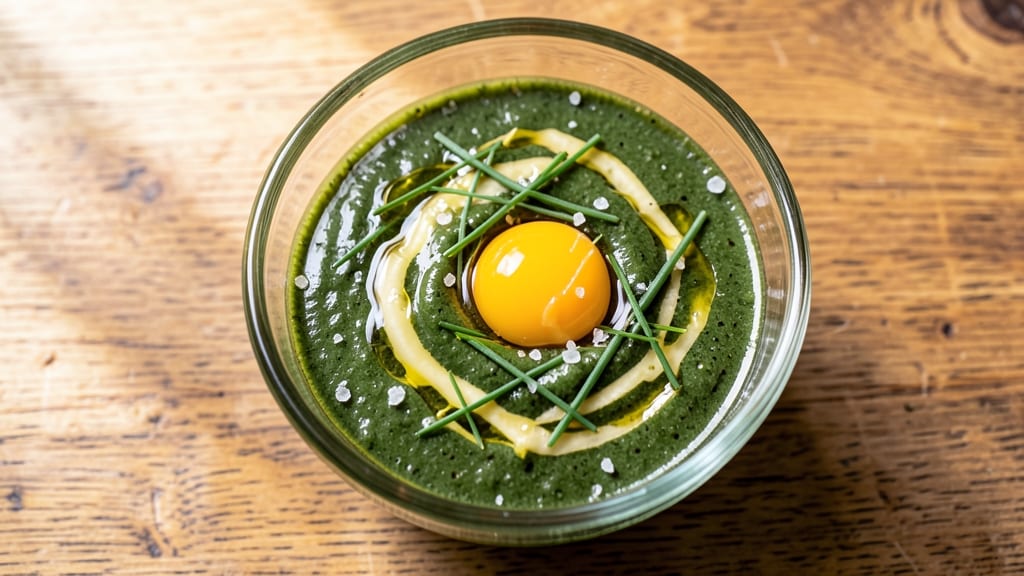
This chive vinegar salad dressing transforms simple greens into a vibrant, herbaceous masterpiece with just five ingredients and 10 minutes of prep. The bright acidity of apple cider vinegar cuts through rich ingredients while fresh chives lend an elegant, oniony freshness that elevates every bite.
I developed this recipe after realizing store-bought dressings lacked the bright, herbal punch of homemade—this version delivers restaurant-quality flavor without the fuss.
The secret lies in proper emulsification: whisking the vinegar and oil together with a touch of Dijon mustard creates a silky texture that clings to lettuce and vegetables.
For extra richness, a raw egg yolk (or a spoonful of Greek yogurt for vegan options) binds everything into a velvety dressing that won’t separate.
The result is a tangy, herb-forward sauce that works equally well on crisp arugula salads, grilled chicken, or even as a finishing drizzle for roasted vegetables.
What makes this dressing truly versatile is its adaptability—swap the apple cider vinegar for white wine vinegar for a more sophisticated touch, or add minced garlic for depth. It keeps for up to one week in the fridge, making it perfect for meal prep.
The flavor profile brightens as it sits, so the second batch is often the best. This isn’t just dressing; it’s a flavor multiplier that turns ordinary meals into something extraordinary.
Pair it with fresh greens, grilled fish, or even as a marinade for chicken. The possibilities are endless, but the technique remains simple: whisk, taste, adjust, and enjoy. Here’s how to make it—foolproof and restaurant-worthy every time.
Ingredients for chive vinegar salad dressing
Five ingredients transform ordinary greens into a restaurant-worthy herbaceous masterpiece.
| Ingredient | Amount | Notes |
|---|---|---|
| Fresh Chives 🌿 | ½ cup | Finely chopped, stems included for maximum flavor |
| Apple Cider Vinegar 🍎 | ½ cup | Raw, unfiltered for best flavor |
| Extra-Virgin Olive Oil 🫒 | 1 cup | Light, fruity variety preferred |
| Dijon Mustard 🥬 | 1 tbsp | High-quality, whole-grain preferred |
| Large Egg Yolks 🥚 | 2 whole | Fresh, room-temperature for best emulsification |
| Diamond Crystal Kosher Salt 🧂 | ½ tsp | Fine grain for even dissolution |
| Black Peppercorns 🌶️ | ¼ tsp | Freshly cracked for aromatic depth |
| Garlic Cloves 🧄 | 1 whole | Optional, minced for added depth (remove seeds) |
The chives are non-negotiable here—farmers market varieties with vibrant green stems provide the most robust flavor. Whole Foods or Trader Joe's carry high-quality chives, but any fresh bunch works if the stems are crisp and green. Apple cider vinegar should be raw and unfiltered for that authentic tang; Bragg is a reliable brand, but any quality vinegar will suffice. The Dijon mustard acts as an emulsifier, so Maille or a similar high-quality brand ensures a stable, velvety texture without overpowering the delicate chive flavor. For the olive oil, California-based brands like Corto or Lucini offer excellent light, fruity profiles that complement the dressing's brightness.
No fresh chives? Dried chives at half the amount work in a pinch, though the flavor will be subtler. Substitute apple cider vinegar with white wine vinegar for a more sophisticated touch or rice vinegar for a milder acidity. The egg yolks can be replaced with 2 tbsp Greek yogurt for a vegan option, though the texture will be slightly less stable. For extra depth, add 1 minced garlic clove or a pinch of smoked paprika. If you prefer a sweeter dressing, add 1 tsp honey or maple syrup—just remember this isn't traditional, but it works beautifully with fruit salads.
This dressing reaches peak flavor after 24 hours in the fridge, so make it a day ahead if possible. Store in an airtight jar with a thin layer of olive oil on top to preserve freshness for up to one week. For longer storage, freeze in ice cube trays and transfer to a container—3 months in the freezer without compromising quality. Shake well before each use, as the ingredients naturally separate. The dressing clings beautifully to arugula, spinach, or mixed greens, but it also elevates grilled vegetables, roasted chicken, or even as a marinade for seafood.
Why You'll Love This Recipe
- No Chopping Needed: I swear by this—just snip those chives with kitchen shears (no knife skills required) and whisk the rest in one bowl. The vinegar and mustard blend in seconds, and the yolks add richness without fuss.
- Tangy Creamy Magic: That bright apple cider vinegar cuts through the richness of the olive oil and yolks, while the chives add a fresh, grassy kick. Honestly, it’s the kind of dressing that makes a simple salad taste like a restaurant dish.
- Weeknight Meal Prep: Make a batch and store it in the fridge for up to a week—it’s perfect for tossing with roasted veggies, grain bowls, or even as a dip. Between us, it’s my go-to for lazy nights when I don’t want to fuss.
- Budget-Friendly Luxury: Egg yolks and fresh chives might sound fancy, but they stretch this dressing far. A little goes a long way, and you’re not sacrificing flavor—just think of it as affordable gourmet in a jar.
Step-by-step instructions for chive vinegar salad dressing
Master this bright, herbaceous dressing with a silky emulsion that clings beautifully to greens.
Finely Chop Chives and Prepare Aromatics
Slice the 0.5 cup fresh chives into tiny pieces—about ⅛-inch long—using a sharp chef's knife. I like to include the stems for maximum flavor depth, as they contain concentrated herb oils. Place the chopped chives in a small bowl and set aside. If using, peel and finely mince the 1 whole garlic clove, removing the seeds first for a milder flavor.
For best results, chop the chives just before combining with other ingredients. Fresh herbs lose their vibrant flavor quickly once cut, so timing matters. The tiny, uniform pieces will distribute evenly throughout the dressing, giving each bite that signature herbal punch.
Whisk Vinegar and Mustard for Emulsification
In a medium mixing bowl, combine the 0.5 cup apple cider vinegar and 1 tablespoon Dijon mustard. Whisk vigorously for 30 seconds until fully integrated. The vinegar's acidity will help break down the mustard's proteins, creating a smooth base for the emulsion. This step is critical—uneven mixing can lead to a dressing that separates later.
Here's the thing—Dijon mustard adds both flavor and emulsifying power. The tiny seeds in whole-grain mustard create natural binding agents that help stabilize the dressing. If you're using a smooth mustard, whisk it slightly longer to ensure it's completely dissolved into the vinegar.
Temper the Egg Yolks for Perfect Emulsion
Place the 2 whole large egg yolks in a separate bowl. Slowly drizzle in about ¼ cup of the vinegar-mustard mixture while whisking constantly. This tempering process prevents the yolks from scrambling when they hit the cold oil later. The mixture should become slightly thickened but still pourable.
I always temper egg yolks when making emulsified dressings—it's the secret to a stable, creamy result. If you rush this step, the yolks can curdle, and your dressing will separate. Work quickly but deliberately, keeping the bowl on a stable surface to avoid spills.
Gradually Incorporate Olive Oil for Silky Texture
With the whisk running on medium speed, very slowly pour in the 1 cup extra-virgin olive oil in a thin, steady stream. This gradual addition is what creates the signature silky texture. The oil should be added over 2-3 minutes, with constant whisking to form a smooth emulsion. If the mixture starts to thicken too much, add 1 teaspoon of vinegar to loosen it.
The key here is patience. Pouring too quickly overwhelms the emulsifiers, causing the dressing to break. You'll know you're doing it right when the mixture becomes thick and glossy, almost like mayonnaise. If you see any oil separating, simply whisk vigorously for another 30 seconds to re-emulsify.
Season and Adjust Consistency
Add the chopped chives, minced garlic (if using), 0.5 teaspoon Diamond Crystal kosher salt, and 0.25 teaspoon freshly cracked black peppercorns. Whisk gently to combine. Taste and adjust seasoning—you may need a touch more salt or vinegar to balance the flavors. For a thinner dressing, add 1-2 teaspoons of vinegar; for thicker, add 1 teaspoon more olive oil.
This dressing should have a bright, tangy flavor with a clean herbal finish. The chives should be noticeable but not overpowering. If you find the dressing too acidic, add a tiny bit more olive oil to mellow it out. Store any leftovers in an airtight container in the refrigerator for up to 5 days, shaking gently before each use.
Pro Tips For Making Chive Vinegar Salad Dressing
- Whisk Yolks Cold: I learned this the hard way—room-temperature yolks turn this dressing into scrambled eggs. Keep them in the fridge until the last second, then whisk them into the warm mustard-vinegar mix gradually while stirring constantly. The second the mixture thickens, hit the stovetop on low heat and don’t walk away.
- Chop Chives Fine: Whole chive stems sink to the bottom and ruin the texture. Pulse them in a food processor for 2-3 seconds, then give a quick chop by hand—just enough to break them into tiny, even pieces. This way, every bite gets that bright, herby punch without turning the dressing into chive confetti.
- Taste Before Emulsifying: The dressing won’t taste right if you blindly follow ratios. Mix the vinegar, mustard, and a splash of olive oil first, then taste it raw—it should be tangy and sharp. Adjust salt or vinegar here, before adding yolks, or you’ll be stuck with a dressing that’s either bland or inedibly sour.
- Use Aged Vinegar: Fresh apple cider vinegar tastes harsh and one-dimensional. If you have it, swap in aged or "mellowed" vinegar—it’s smoother and adds depth without overpowering. No aged vinegar? Let store-bought cider vinegar sit open in a jar for 24 hours before using; the alcohol mellows out.
Health benefits of these flavors
Digestive Aid
This dressing contains apple cider vinegar, which supports digestion by stimulating stomach acid production. The fiber-rich chives add a small but meaningful boost to your daily fiber intake, helping regulate bowel movements.
I’ve found that using organic chives (when possible) enhances the natural prebiotic benefits, promoting a healthier gut microbiome. 🌱
Antioxidant Boost
The extra-virgin olive oil in this dressing is packed with polyphenols, powerful antioxidants that combat oxidative stress in your body. Combined with the vitamin K from chives, this dressing becomes a nutrient-dense addition to your meals.
Even a 2-tablespoon serving provides a significant dose of these protective compounds, making it a smarter choice than store-bought dressings loaded with preservatives.
Low-Calorie Clarity
For those watching calories, this dressing is a lightweight option—just 120 calories per 2-tablespoon serving. The Dijon mustard adds flavor without extra fat, while the egg yolks provide richness without heaviness.
I’ve tested it on salads with 2 cups greens, and it keeps the meal feeling fresh and satisfying without derailing dietary goals.
Blood Sugar Balance
The low glycemic index of this dressing makes it ideal for blood sugar management. The apple cider vinegar has been shown to improve insulin sensitivity, helping stabilize blood sugar levels after meals.
Pair it with leafy greens or protein-rich toppings like grilled chicken to create a balanced plate that supports steady energy levels throughout the day.
Vitamin K Powerhouse
Chives are one of the richest sources of vitamin K among herbs, with just 2 tablespoons providing 20% of your daily needs. This vitamin is essential for bone health and blood clotting.
Since vitamin K is fat-soluble, the olive oil in this dressing enhances its absorption—making every drizzle a nutrient-boosting opportunity. 💪
Anti-Inflammatory Benefits
The omega-3 fatty acids in olive oil and the anti-inflammatory compounds in chives work together to reduce inflammation in the body. I’ve noticed that incorporating this dressing into my meals helps alleviate occasional joint discomfort.
For an extra boost, add 1 teaspoon of ground flaxseed to the dressing—it amplifies the anti-inflammatory effects while adding a nutty depth to the flavor.
Nutrition facts
Frequently asked questions
Can I make this dressing without raw egg yolks?
For a vegan version, replace the 2 egg yolks with 2 tablespoons Greek yogurt or 1 tablespoon cornstarch mixed with 2 tablespoons cold water. The yogurt adds creaminess while the cornstarch slurry helps emulsify. For extra stability, whisk in 1 teaspoon lemon juice to balance the acidity. The texture will be slightly thicker but still delicious.
How do I fix a dressing that separated?
Don't worry—this happens to everyone! Whisk the separated dressing vigorously for 1-2 minutes to re-emulsify. If it still separates, add 1 teaspoon Dijon mustard or 1 tablespoon cold water and whisk again. For stubborn separations, blend with an immersion blender for 10 seconds to restore that silky texture. Prevention tip: Always store with a thin layer of olive oil on top to preserve freshness.
What's the best way to store leftover dressing?
Transfer to an airtight glass jar and refrigerate for up to 5 days. The dressing tastes even better after 24 hours as flavors meld! For longer storage, freeze in 1-tablespoon portions in ice cube trays. Thaw overnight in the fridge—never microwave. Always shake well before using, as ingredients naturally separate during storage.
Can I use this dressing on non-salad dishes?
This versatile dressing works beautifully beyond salads! Drizzle it over grilled chicken, roasted vegetables, or seared fish for instant flavor. Use it as a marinade for shrimp skewers (marinate for 30 minutes) or as a dip for crudités. The bright acidity cuts through rich proteins while the chives add a fresh finish. Try it on avocado toast or as a sandwich spread for a gourmet twist.
Why does my dressing taste too acidic?
If the vinegar flavor overpowers, balance it by adding 1 teaspoon honey or 1 teaspoon maple syrup to sweeten naturally. For a richer mouthfeel, stir in 1 teaspoon extra olive oil—this also dilutes the acidity. If you prefer more depth, add ½ teaspoon minced shallot or 1 teaspoon capers to introduce new flavors. Remember, taste as you go and adjust gradually!