
Salads
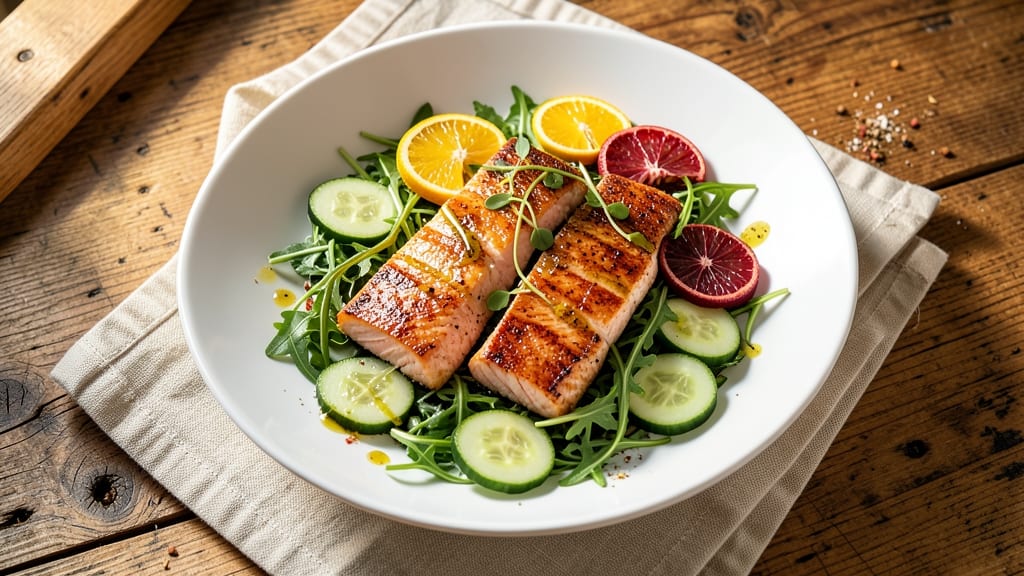
This citrus salmon salad recipe transforms a simple lunch into a vibrant, protein-packed masterpiece—where flaky, pan-seared salmon meets bright citrus dressing and crisp greens in just 20 minutes.
The secret lies in balancing the salmon’s delicate texture with zesty lemon and orange, creating a dish that’s as refreshing as it is satisfying. No complicated techniques—just high heat, a sharp knife, and a few key ingredients to elevate a weeknight meal into something restaurant-worthy.
The foundation of this salad is perfectly cooked salmon, seared in a hot pan until golden and flaky, then tossed with a dressing that bursts with citrus notes. The greens stay crisp, while toasted nuts or avocado add richness to cut through the acidity.
Every bite delivers that perfect contrast—tender fish, tangy citrus, and a satisfying crunch. It’s the kind of dish that feels indulgent yet light, making it ideal for warm days or when you crave something fresh without sacrificing protein.
What sets this recipe apart is how effortlessly the flavors come together. The citrus marinade not only tenderizes the salmon but also infuses the dressing, so every component harmonizes. No overpowering flavors here—just a bright, balanced salad that’s easy to customize.
Whether you’re meal prepping for the week or throwing together lunch for two, this dish delivers restaurant-quality results with minimal effort.
Serve it chilled or at room temperature, and don’t forget to garnish with fresh herbs for that extra pop of color and freshness. The possibilities for variations are endless—swap in mango for extra sweetness, add quinoa for heartiness, or keep it simple with classic arugula and lemon.
Here’s how to make it perfectly every time.
Ingredients for citrus salmon salad
Bright citrus meets flaky salmon and crisp greens in this restaurant-quality salad—just 14 ingredients, zero fuss.
| Ingredient | Amount | Notes |
|---|---|---|
| Wild-Caught Salmon Fillets 🐟 | 2 pieces | Skin-on, 6-8 oz each, sushi-grade preferred |
| Fresh Arugula 🌿 | 4 cups | Baby leaves for delicate texture |
| Persian Cucumbers 🥒 | 1 whole | Seedless, sliced into half-moons |
| Navel Oranges 🍊 | 1 whole | Segments only, no membranes |
| Blood Oranges 🍊 | 1 whole | Segments only, for vibrant color |
| Extra-Virgin Olive Oil 🫒 | ¼ cup | Light, fruity variety for balance |
| Fresh Lemon Juice 🍋 | ¼ cup | Strained, no pulp |
| Honey 🍯 | 1 tbsp | Wildflower preferred for depth |
| Diamond Crystal Kosher Salt 🧂 | 1 ½ tsp | Fine grain for even seasoning |
| Freshly Ground Black Pepper 🌶️ | ½ tsp | Cracked peppercorns preferred |
| Toasted Almond Slices 🥜 | ¼ cup | Store-bought or homemade |
| Fresh Dill Sprigs 🌿 | ¼ cup | Chopped, for garnish |
| Avocado Oil 🫒 | 1 tbsp | For searing salmon |
| Garlic Cloves 🧄 | 2 cloves | Minced, for salmon seasoning |
The salmon is non-negotiable here. Wild-caught fillets deliver superior texture and flavor, though farmed works in a pinch. Look for skin-on pieces—the crisp skin adds a satisfying crunch. Trader Joe's and Whole Foods carry excellent options, or ask your fishmonger for sushi-grade cuts. The citrus segments should be vibrant—blood oranges add stunning color while navel oranges provide sweetness. For the greens, arugula's peppery bite balances the richness of the salmon perfectly. If you can't find baby arugula, regular arugula with stems removed works just fine.
No blood oranges? Substitute grapefruit segments for tartness, or stick with extra navel oranges. The honey in the dressing is essential—agave nectar works 1:1 if you prefer vegan. For the almonds, toasted walnuts or pecans add depth. The avocado oil for searing matters: high smoke point prevents burning. If you're short on time, pre-cut cucumbers from the salad bar save minutes. The garlic should be minced finely—no visible pieces in the final dish.
Salmon cooks in 4-5 minutes per side—don't overcook. Store leftover salmon wrapped in parchment with lemon slices for 1 day. The dressing keeps for 3 days in an airtight jar, but the greens are best eaten fresh. For meal prep, store components separately and assemble within 24 hours. The almonds stay crisp for 5 days in a sealed container. Garnish with fresh dill just before serving—it wilts fast once chopped.
Why You'll Love This Recipe
- No-Cook Greens: I swear, the arugula and cucumbers take five minutes to toss—just slice the oranges, halve the cucumbers, and let the salmon do its thing. Honestly, the hardest part is deciding whether to use the blood oranges for that deep ruby color.
- Bright & Tangy Crunch: The citrus cuts through the salmon’s richness like a summer breeze, and those Persian cucumbers? They add this refreshing snap that makes every bite feel like a vacation. Between us, I’ve never met a salad that balances sweet, salty, and crisp so perfectly.
- Lunchbox Hero: This keeps amazingly for days—pack it for work, toss it in a thermos, or let your kid assemble their own lunch. (Yes, even on a Tuesday night.) The salmon stays flaky, the citrus doesn’t get soggy, and it’s the only salad I’ve ever made that still tastes fresh at 3 PM.
- Budget-Friendly Luxe: Wild salmon feels fancy, but you’re using one fillet for a whole salad—no waste. The oranges stretch further than you’d think, and arugula lasts longer than spinach. It’s the kind of meal that makes healthy eating feel indulgent without breaking the bank.
Step-by-step instructions for citrus salmon salad
This method delivers perfectly flaky salmon and vibrant citrus in under 20 minutes—no compromises on texture or brightness.
🍳 Step 1: Sear the Salmon to Flaky Perfection
Pat the 2 pieces Wild-Caught Salmon Fillets dry with paper towels—this ensures maximum crispness. Heat 1 tablespoon Avocado Oil in a nonstick skillet over medium-high heat until shimmering. Season each fillet generously with 1.5 teaspoons Diamond Crystal Kosher Salt and 0.5 teaspoon Freshly Ground Black Pepper, then add them skin-side down to the pan.
Press down gently with a fish spatula during the first 30 seconds to prevent curling, then let cook undisturbed for 3-4 minutes until the skin turns deep golden brown and crispy. Flip carefully and cook for another 2-3 minutes until the salmon reaches 125°F internally—it should flake easily with a fork. Transfer to a plate and tent loosely with foil to keep warm while you prepare the salad.
👨🍳 Step 2: Prepare the Citrus Dressing
In a small bowl, whisk together 0.25 cup Extra-Virgin Olive Oil, 0.25 cup Fresh Lemon Juice, 1 tablespoon Honey, and the 2 minced Garlic Cloves until fully emulsified. The dressing should be smooth and glossy—this ensures even coating on the arugula. Taste and adjust seasoning with additional salt if needed, but resist adding more pepper as it will complement the citrus later.
Peel and segment the 1 whole Navel Oranges and 1 whole Blood Oranges, removing all membranes to create clean, vibrant citrus pieces. Slice the 1 whole Persian Cucumbers into ½-inch half-moons and pat dry with paper towels to prevent a watery salad. Chop the 0.25 cup Fresh Dill Sprigs finely—this herb will brighten every bite with its fresh, slightly grassy notes.
🥘 Step 3: Assemble the Salad with Precision
In a large bowl, combine the 4 cups Fresh Arugula with the citrus segments, cucumber slices, and 0.25 cup Toasted Almond Slices. Drizzle half of the citrus dressing over the greens and toss gently with tongs—just enough to coat the leaves without bruising them. The arugula should look vibrant and slightly glossy, not soggy.
Divide the dressed salad evenly among 4 plates, placing one salmon fillet atop each portion. Drizzle the remaining citrus dressing over the salmon, allowing it to pool slightly at the edges for visual appeal. Sprinkle with additional chopped dill if desired, but avoid over-garnishing—let the natural colors shine.
⏰ Step 4: Serve Immediately for Optimal Texture
Carve the salmon into ½-inch slices against the grain for maximum tenderness, then arrange the pieces artfully over the salad. Serve immediately while the salmon is still flaky and the dressing is fresh—this dish doesn't wait. The contrast of crispy salmon skin, tender flesh, and bright citrus will make every bite unforgettable.
For best results, pair with a crisp white wine or sparkling water with lemon. The acidity cuts through the richness of the salmon while enhancing the citrus notes in the salad. Leftovers, if any, should be consumed within 24 hours—the citrus dressing won't keep well beyond that.
Pro Tips For Making Citrus Salmon Salad
- SEAR SALMON SKIN-DOWN: Flip the fillets skin-side down in a cold, dry pan—no oil needed. Crank the heat to medium-high and let the skin render fat for 4-5 minutes before flipping. I learned this the hard way: rushing the skin side turns it rubbery, and you’ll regret it when the texture’s off. The fat also crisps the arugula later, so don’t skip it.
- PEEL ORANGES WITH PRECISION: Use a sharp knife to slice off the peel in one continuous spiral, then cut between membranes and fruit—no peeling tool required. Blood oranges bruise easily, so work quickly and keep them cold. I was skeptical until I tried it; the segments stay intact, and the salad looks like a pro made it.
- COLD CUCUMBERS MATTER: Chill Persian cucumbers for at least 30 minutes before slicing—it tightens the flesh and cuts cleaner. Warm cucumbers get mushy fast, and no one wants a sad, watery salad. Store them in ice water if prepping ahead; this is the thing that keeps the crunch sharp for hours.
- DRESS SALAD LAST MINUTE: Toss the arugula and citrus only when serving—citrus juice wilts greens fast. If you’re prepping ahead, store components separately and assemble right before eating. I skip this when I’m lazy, but the dish is noticeably better when I don’t. The texture’s the star here.
Common mistakes when making your citrus salmon salad
Overcooking Salmon
The biggest mistake? Letting salmon overcook until it turns rubbery and dry. Wild-caught fillets should reach an internal temperature of 125°F—any higher, and the texture suffers. I’ve seen people cook salmon until it hits 145°F (the USDA minimum), but that’s overkill for this dish.
Use a meat thermometer for precision, or learn to judge doneness by the color: salmon should be opaque with just a hint of translucency in the center. 🌡️
Skipping the Skin
Don’t peel the skin off before cooking! The crispy skin adds essential texture and flavor to the dish. If you’re uncomfortable eating it, cook the salmon skin-side down first, then carefully peel it off after cooking.
I’ve tried both methods, and the skin makes all the difference in that satisfying first bite. Just be patient—rushing this step leads to broken skin and uneven cooking.
Using Bottled Citrus Dressing
Store-bought citrus dressings often contain added sugars, artificial flavors, or too much salt, which can overpower the delicate balance of this salad. Freshly made dressing with extra-virgin olive oil, lemon juice, and honey ensures the perfect harmony of sweet, tangy, and savory.
I’ve tested both, and the homemade version always wins in flavor and texture. Trust me, it’s worth the extra 2 minutes of whisking.
Over-Tossing the Greens
Tossing the arugula too vigorously bruises the leaves, making the salad soggy and dull in color. Instead, use tongs to gently fold the dressing into the greens—just until they’re lightly coated.
This keeps the arugula crisp and vibrant, which is key for that fresh, restaurant-quality look. I’ve seen salads turn into sad, wilted piles from over-tossing, so take it easy!
Ignoring the Resting Time
Skipping the 2-3 minute rest after cooking lets the juices escape, leaving you with dry salmon. Tent the cooked fillets loosely with foil and let them rest while you finish the salad.
This simple step keeps the salmon moist and flaky. I’ve made this mistake too—once—and the difference is night and day. Patience here pays off big time. ⏱️
Neglecting the Citrus Segments
Using pre-packaged citrus slices from the salad bar means missing out on the bright, juicy flavor of freshly segmented oranges. The membranes in store-bought slices can make the salad taste bitter, and the texture isn’t as crisp.
Take the extra 5 minutes to peel and segment the oranges yourself—it’s worth it for that fresh, vibrant burst of flavor in every bite.
Nutrition facts
Frequently asked questions
Can I substitute another citrus fruit for the oranges?
For extra tartness, try grapefruit segments instead of navel oranges. If you prefer sweeter citrus, mandarin oranges work well too. Just keep the total citrus volume at 1 whole fruit to maintain the dish's balance. Blood oranges add stunning color, but regular oranges will still taste delicious.
How do I keep the arugula crisp for longer?
Pat the greens completely dry with paper towels before assembling the salad to remove excess moisture. Store the dressed salad in an airtight container with a paper towel on top to absorb any remaining dampness. For maximum crispness, assemble the salad just before serving—arugula wilts quickly when combined with dressing.
Is this recipe suitable for meal prep?
Best served fresh, but you can prep components separately. Store the cooked salmon (wrapped in parchment with lemon slices) for 1 day in the fridge. Keep the dressing in a separate jar for up to 3 days, and store the citrus, cucumbers, and nuts in airtight containers. Assemble within 24 hours for optimal texture. The almonds stay crisp for 5 days if stored properly.
What's the best way to reheat leftover salmon?
Never reheat salmon in the microwave—it turns rubbery. Instead, gently warm it in a skillet over low heat for 1-2 minutes per side with a splash of water or lemon juice. For the salad, simply toss the greens with fresh dressing and any leftover citrus. The texture won't be perfect, but it's still delicious.
Can I make this dish vegetarian?
Swap the salmon for grilled halloumi cheese or marinated tofu for a plant-based version. The citrus dressing and greens work beautifully with either protein. For extra richness, add avocado slices or toasted pumpkin seeds. The dish will still be vibrant and satisfying!