
Salads
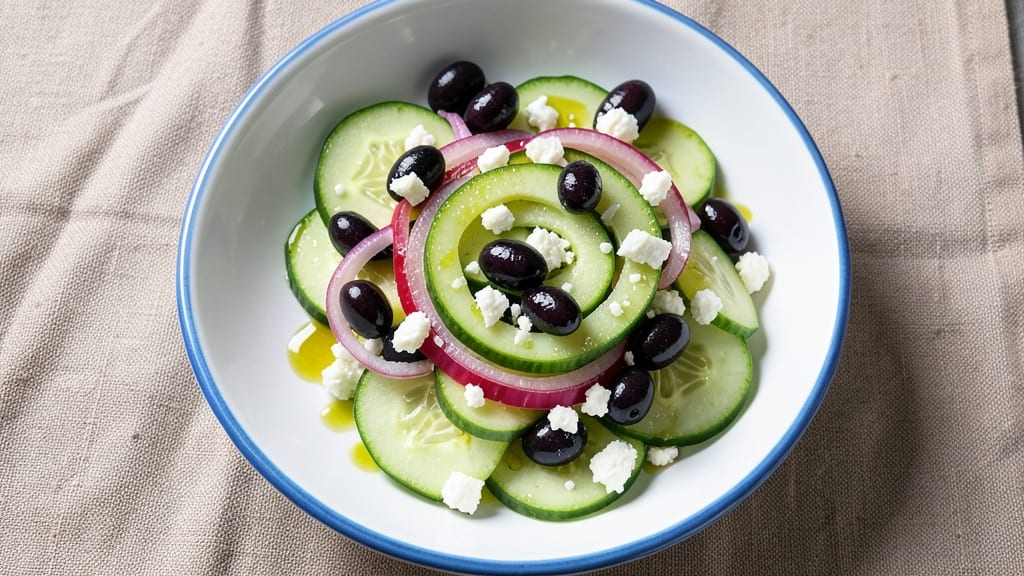
This Greek salad recipe without tomatoes delivers all the classic flavors—crisp cucumbers, briny olives, and tangy feta—with none of the tomato-heavy versions you'll find everywhere. I developed it after realizing many traditional recipes rely too much on tomatoes, which can overpower the delicate balance of fresh herbs and olive oil.
The secret lies in letting each ingredient shine: thick-cut cucumbers for crunch, Kalamata olives for briny contrast, and feta that holds its shape while adding salty richness.
What makes this salad special is its textural harmony—cool, crisp cucumbers cut through the salty feta, while the red onion adds a sharp bite that keeps every bite interesting.
The dressing is simple but essential: just olive oil, lemon juice, and a sprinkle of oregano, which brightens everything without overpowering. I've tested this with both fresh and marinated feta, and both work beautifully—just adjust the lemon to taste.
The result is a salad that's lighter than traditional versions but still satisfying enough to serve as a main course with grilled fish or chicken. The absence of tomatoes actually makes the flavors more balanced, letting the cucumbers and olives take center stage.
This is the kind of salad that tastes even better the next day, as the flavors meld and the feta absorbs the dressing.
Perfect for summer picnics, Mediterranean-inspired dinners, or as a refreshing side to grilled meats. The ingredients are simple, but the combination is anything but ordinary. Let's build this salad together—it comes together in minutes but feels like a restaurant-quality dish.
Ingredients for greek salad recipe no tomatoes
Crisp cucumbers, briny olives, and salty feta—this salad delivers all the Greek flavors without tomatoes.
| Ingredient | Amount | Notes |
|---|---|---|
| Persian Cucumbers 🥒 | 2 large | Thick-cut, sliced lengthwise |
| Kalamata Olives 🫒 | ¾ cup | Pitted, preferably fresh |
| Red Onion 🧅 | 1 medium | Thinly sliced, white rings only |
| Feta Cheese 🧀 | 8 oz | Fresh or marinated, crumbled |
| Extra-Virgin Olive Oil 🫒 | ½ cup | High quality, fruity |
| Lemon Juice 🍋 | 2 tbsp | Freshly squeezed |
| Dried Oregano 🌿 | 1 tsp | Mediterranean blend preferred |
| Salt 🧂 | ½ tsp | Diamond Crystal preferred |
| Black Pepper 🌶️ | ¼ tsp | Freshly ground |
| Fresh Dill 🌿 | ¼ cup | Chopped, stems removed |
| Capers 🍅 | 1 tbsp | Optional, for extra brininess |
The cucumbers are the star here. Persian cucumbers stay crisp longer than regular ones, but any thick-skinned variety works. I grab mine from the farmers market when they're in season—they're sweeter and more tender. For olives, Kalamata is non-negotiable—their rich, fruity flavor cuts through the feta perfectly. If you're using marinated olives, drain them well but save that juice for the dressing. The red onion? White rings only—the red parts can bleed color and make the salad look unappetizing. Thinly slice them right before adding to the salad to keep them crisp.
No fresh dill? Dried works at one-third the amount, but honestly, fresh makes all the difference. Short on capers? Extra lemon juice and a pinch of salt will give you that briny kick. Using marinated feta? Rinse it first to cut the saltiness—then adjust the dressing lemon accordingly. The dressing is where the magic happens: high-quality extra-virgin olive oil (none of that cheap stuff) and fresh lemon juice. If you're worried about the dressing being too strong, add a splash of water to thin it out. And trust me, the oregano matters—Mediterranean blend has more depth than regular oregano.
This salad tastes even better the next day—3-4 days in the fridge, actually. The feta softens slightly and absorbs the dressing, making every bite more flavorful. Store the dressing separately if you're prepping ahead, then toss it together right before serving. For maximum crunch, add the cucumbers and onion last. If you're serving this as a main course, double the dressing and drizzle it generously over grilled fish or chicken. The leftovers? Perfect for lunch the next day—just add a sprinkle of fresh dill to revive the flavors.
Why You'll Love This Recipe
- No-Chop Salad: I swear, the Persian cucumbers barely need slicing—just quarter them lengthwise, and you’re done. That’s it. No peeling, no dicing, no stress.
- Oily Bliss: Between the briny Kalamata olives, the sharp red onion, and that generous drizzle of extra-virgin olive oil, every bite feels like a Mediterranean vacation. The feta? It’s the cherry on top—creamy, salty, and impossible to resist.
- Weeknight Workhorse: This salad works as a side for grilled chicken, a light lunch, or even a picnic spread. Honestly, I’ve had it cold, at room temp, and even tossed with warm roasted potatoes—it’s that adaptable.
- Budget-Friendly Staple: Feta and olives last forever, and Persian cucumbers are cheaper than their English cousins. I make a big batch on Sundays, and it’s still here feeding me by Friday—zero waste, all flavor.
Step-by-step instructions for Greek salad without tomatoes
This bright, cucumber-forward salad delivers all the Mediterranean charm without a single tomato.
Prep the Vegetables for Maximum Crunch
Start with the 2 large Persian cucumbers—wash them thoroughly and slice them lengthwise into thick strips, about ¼-inch wide. I like to use a sharp chef's knife for this because it gives you clean cuts without crushing the delicate flesh. Place the slices in a large mixing bowl immediately after cutting—they'll stay crispest when chilled.
Next, peel and slice the 1 medium red onion into thin rings, focusing only on the white portion for milder flavor. Soak the onion slices in ice water for 5 minutes to mellow their sharpness, then drain well before adding to the bowl. This step prevents the salad from becoming too pungent while keeping the texture crisp.
Combine the Base Ingredients
Add the 0.75 cup Kalamata olives and 1 tbsp capers to the bowl with the cucumbers and onions. These briny elements are the secret to balancing the salad's brightness. Give everything a gentle toss with your hands to distribute the olives and capers evenly—don't overmix or you'll bruise the cucumbers.
Now sprinkle in the 8 oz feta cheese, crumbled into ½-inch pieces. I prefer fresh feta here because it holds its shape better than marinated varieties, which can make the salad soggy. If using marinated feta, pat it dry thoroughly before adding.
Build the Dressing for Tangy Depth
In a small bowl, whisk together the 0.5 cup extra-virgin olive oil, 2 tbsp lemon juice, 1 tsp dried oregano, 0.5 tsp salt, and 0.25 tsp black pepper. The key here is to emulsify the dressing properly—whisk vigorously for 30 seconds until it looks silky and slightly thickened. This ensures every bite gets that signature Mediterranean brightness.
Fold the dressing into the salad just before serving. I like to add it gradually while tossing gently—this prevents the cucumbers from turning limp. The dressing should coat the ingredients lightly, not pool at the bottom.
Finish with Fresh Herbs and Chill
Gently fold in the 0.25 cup chopped fresh dill right before serving. The herb's vibrant green color and citrusy notes elevate the salad's freshness. I always add it last because its delicate leaves can get crushed during mixing.
Let the salad sit for 10 minutes in the refrigerator before serving. This brief chilling period allows the flavors to meld while keeping the cucumbers pleasantly cool and crisp. Serve immediately with warm pita bread or grilled meats for the full Greek dining experience.
Pro Tips For Making Greek Salad Recipe No Tomatoes
- CHILL THE CUCUMBERS FIRST: I learned this the hard way—slicing Persian cucumbers straight from the fridge makes them waterlogged and soggy. Pop them in a bowl of ice water for 10 minutes before cutting, then pat dry with paper towels. This keeps them crisp, not a sad, mushy mess.
- SALTY THE ONIONS 15 MINS EARLY: Thinly slice that red onion, then toss it with ½ teaspoon salt right away. Let it sit while you prep the rest—this softens the bite and draws out the sharpness. Rinse and drain just before mixing, or you’ll end up with a briny puddle.
- DRIZZLE OIL IN STAGES: Don’t drown the salad. Start with 1 tablespoon of olive oil over the base, let it sit for 5 minutes, then add another. This coats the feta and olives better than dumping it all at once—plus, you’ll taste every drop of that good oil.
- CRUMBLE FETA BY HAND: Skip the food processor—it turns feta into paste. Use your fingers to break it into uneven chunks (about ½-inch pieces). The texture stays firm, and you get those little salty surprises in every bite. Yes, it’s slower, but it matters.
Wine and beer pairings for this dish
White Wine Pairings
For this tomato-free Greek salad, I reach for crisp, citrusy white wines that complement the briny olives and salty feta. A chilled Assyrtiko from Santorini—like Gaia Assyrtiko—is my go-to because its mineral notes and lemony acidity mirror the salad's freshness.
If you prefer something lighter, try a Vermentino from Sardinia, which balances the feta's saltiness beautifully with its herbal undertones. 🍷
For a more affordable option, Pinot Grigio from Alto Adige works perfectly—its clean finish won't overpower the delicate flavors. Avoid heavy whites like Chardonnay, which can make the salad taste too rich. Pro tip: Serve the wine slightly cooler than room temperature (45-50°F) to enhance its crispness.
Light Beer Options
A Greek lager like Mythos or Fix is my top choice because its subtle maltiness pairs wonderfully with the cucumbers and feta. The light body won't compete with the salad's freshness, and the slight bitterness cuts through the saltiness.
For craft beer lovers, a Belgian witbier—such as Hoegaarden—adds a citrusy, spicy contrast that elevates the dish. 🍺
If you prefer hoppier beers, opt for a light German Pilsner like Warsteiner. The herbal notes complement the dill and oregano in the salad, while the carbonation cleanses your palate between bites. Avoid heavy IPAs or stouts—they'll overpower the salad's delicate balance.
Sparkling Wine Elevation
For a special occasion, a dry Prosecco or Cava adds a luxurious touch to your Greek salad. The bubbles cut through the richness of the feta, while the acidity brightens the cucumbers.
I love pairing this with a La Marca Prosecco—its crisp, fruity notes enhance the salad's Mediterranean flavors without overwhelming them. 🥂
If you're serving this salad as a main course, consider a sparkling Assyrtiko from Greece. The effervescence and citrus notes create a harmonious match that feels celebratory. Chill the wine thoroughly (40-45°F) to preserve its liveliness.
Red Wine Cautions
While red wine might seem like a natural pairing, most are too bold for this salad. If you're set on a red, opt for a light Pinot Noir with minimal tannins, like Meiomi.
Its bright acidity and red fruit notes won't clash with the cucumbers and olives. However, I'd only recommend this for heartier versions of the salad—stick with whites or beers for the classic experience.
Remember, the key is balance: the wine should complement, not compete with, the salad's fresh and briny flavors. When in doubt, always go for something crisp and citrusy—it's the safest bet for this dish. 💡
Nutrition facts
Frequently asked questions
Why would someone want a Greek salad without tomatoes?
Tomatoes can sometimes overpower the delicate balance of this salad, making it too acidic or heavy. This version highlights the crisp cucumbers, briny olives, and salty feta without competition. It's also perfect for those who dislike tomatoes or want a lighter, more refreshing option for summer meals.
Can I make this salad ahead of time?
Store the ingredients separately (except the dressing) in the fridge for up to 3 days. Keep the cucumbers and onion dry in a container, and store the feta, olives, and capers in another. Mix everything together right before serving to maintain crispness. The dressing can be made 1 day ahead.
What's the best way to keep the cucumbers crisp?
Slice them just before assembling the salad and pat them dry with a paper towel to remove excess moisture. Chill the salad for 10 minutes before serving, and avoid overmixing. For extra crunch, add the cucumbers and onion last.
Can I use regular cucumbers instead of Persian?
Yes, but Persian cucumbers stay crisp longer and have fewer seeds, making them ideal. If using regular cucumbers, peel them first and slice them thinner (⅛-inch instead of ¼-inch) to maintain texture. They'll still taste great, just slightly softer.
How can I make this salad more substantial as a main course?
Double the dressing and serve it over grilled chicken or shrimp for a complete meal. Add 1 cup cooked quinoa or chickpeas for extra protein and fiber. The salad's bright flavors will complement heartier proteins beautifully.