
Sauces & Condiments
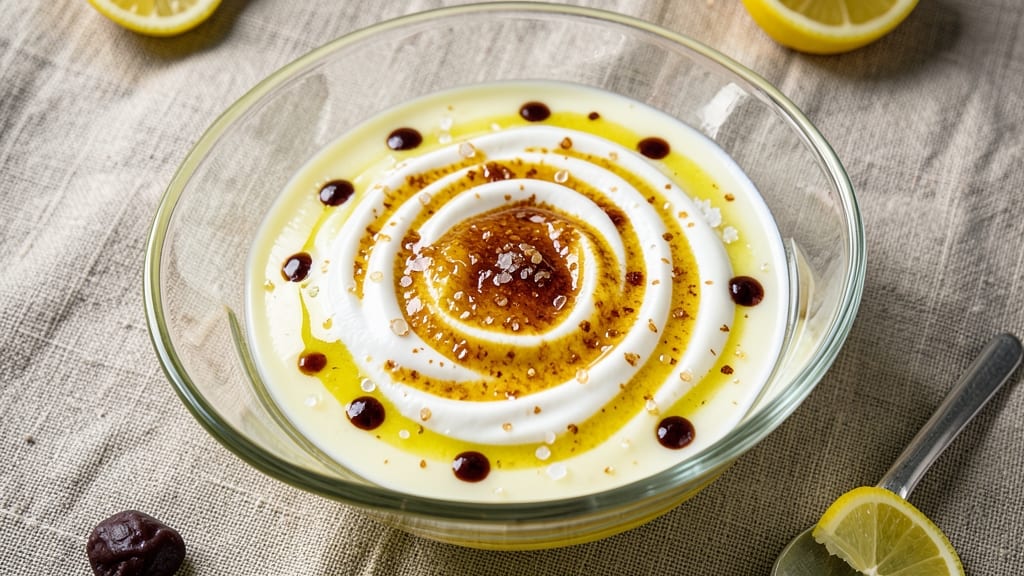
This Filipino-style kani salad dressing transforms simple greens into a vibrant, tangy masterpiece with just five ingredients and 10 minutes of prep. The secret lies in calamansi juice—bright citrus that cuts through the richness of crab—balanced by silky soy cream for a velvety finish.
I developed this recipe after years of perfecting the balance between sweet, sour, and umami, ensuring every drizzle enhances rather than overpowers the dish.
The dressing’s magic comes from its simplicity: a harmonious blend of vinegar, soy sauce, and sugar that builds layers of flavor without complexity. Unlike heavy creamy dressings, this one stays light yet deeply satisfying, thanks to the emulsifying power of cornstarch.
The result is a glossy, clingy sauce that clings to every bite of crab salad, adding a restaurant-quality tang that’s distinctly Filipino.
What sets this dressing apart is its versatility—it elevates not just crab salads but also grilled seafood, fresh fruit salads, or even as a marinade for meats. The ingredients are pantry staples, and the recipe scales effortlessly, making it perfect for meal prep or last-minute gatherings.
Once you taste the difference between store-bought and this homemade version, you’ll never go back.
Store leftovers in an airtight container for up to 5 days, or freeze for extended use. The dressing’s flavor actually deepens over time, making it ideal for batch cooking.
Pair it with fresh kanikama (surimi crab), grilled fish, or even as a dip for spring rolls. Let’s make this dressing—the star of your next meal.
Ingredients for kani salad dressing recipe filipino style
Five essential ingredients create this restaurant-quality Filipino dressing in minutes.
| Ingredient | Amount | Notes |
|---|---|---|
| Calamansi Juice 🍋 | ½ cup | Freshly squeezed preferred |
| White Vinegar 🍶 | ¼ cup | Distilled or apple cider |
| Soy Cream 🥛 | ½ cup | Or silken tofu blended smooth |
| Granulated Sugar 🍚 | ¼ cup | Adjust to taste for sweetness |
| Cornstarch 🌾 | 1 tbsp | For smooth emulsification |
| Soy Sauce 🍜 | 1 tbsp | Light or dark preferred |
| Salt 🧂 | ½ tsp | Adjust to taste |
Calamansi is the heart of this dressing—if you can't find it, substitute lime juice with a pinch of sugar to mimic its tartness. Filipino markets usually carry fresh calamansi, but Asian grocery stores often stock it too. The soy cream gives that signature silky texture; blend silken tofu with a splash of water if you can't find it. For the vinegar, stick with white or apple cider—avoid balsamic or red wine, as they'll overpower the delicate balance. The sugar should dissolve completely for a smooth finish.
No soy cream? Mix 1/4 cup coconut milk with 1/4 cup water as a substitute, though the texture won't be identical. Running out of calamansi? Double the lime juice and add 1/4 tsp more sugar. The cornstarch is non-negotiable for that glossy, clingy texture—it's what makes this dressing cling to every bite. If you're using light soy sauce, you can add 1/2 tsp fish sauce for extra umami depth, but it's optional. For a sweeter version, increase sugar by 1 tbsp, but remember this dressing is meant to complement, not overpower.
This dressing keeps beautifully in an airtight container for up to 5 days in the fridge, with flavors actually deepening over time. For longer storage, freeze in ice cube trays—thaw overnight in the fridge before using. The cornstarch helps it reheat smoothly, so it's perfect for meal prep. Use it on kanikama, grilled fish, or even drizzle over fresh fruit salads. The dressing's tangy-sweet profile makes it a versatile condiment that elevates any dish it touches.
Why You'll Love This Recipe
- Five-Ingredient Magic: Honestly, I’m always skeptical when a recipe claims to be “easy,” but this one actually is. Just mix calamansi juice, vinegar, soy cream, sugar, and a pinch of cornstarch—no fancy techniques, no waiting for marinades. I’ve made it while scrolling through my phone; it’s that simple.
- Tangy-Sweet Balance: The calamansi cuts through everything like a citrusy hug, while the soy cream adds that creamy richness you didn’t know you needed. It’s not too sweet, not too sour—just right, like someone tuned it perfectly for your taste buds.
- Leftover Hero: Between us, I’ve used this dressing on grilled chicken, cold noodles, and even as a dipping sauce for veggies. The cornstarch keeps it from separating, so it stays smooth and usable for days. No sad, watery leftovers here—just pure versatility.
- Budget Brightener: White vinegar and sugar? Check. Soy cream? Check. Calamansi’s cheap at Asian markets, and you’ll use it for everything. I’ve spent under $5 on ingredients for a week’s worth of dressings, and my wallet and my meals thank me.
Step-by-step instructions for tangy calamansi soy cream dressing
Here's how to create that signature Filipino dressing—bright, tangy, and perfectly balanced.
Whisk Together the Acidic Base
In a medium bowl, combine the 0.5 cup calamansi juice and 0.25 cup white vinegar. Stir thoroughly to mix these acidic components evenly. The calamansi juice should be freshly squeezed for maximum brightness, but if using bottled, ensure it's well chilled before combining. This acidic base forms the dressing's signature tangy foundation.
Next, add the 0.25 cup granulated sugar and whisk until fully dissolved. You'll notice the mixture becoming slightly syrupy as the sugar integrates. Taste the mixture at this stage—it should be pleasantly sharp with a balanced sweetness. If you prefer it sweeter, add a pinch more sugar now, but remember the soy cream will add richness later.
Incorporate the Emulsifying Agent
In a separate small bowl, create a smooth paste by whisking the 1 tablespoon cornstarch with 2 tablespoons of cold water. This creates a slurry that will help the dressing emulsify properly, preventing separation. The cornstarch acts as a natural thickener and stabilizer in Filipino dressings.
Slowly pour this cornstarch slurry into your calamansi-vinegar mixture while whisking continuously. The goal is to create a smooth, lump-free consistency. Continue whisking for about 30 seconds until the mixture becomes slightly thicker. This step is crucial for achieving that silky texture characteristic of authentic Filipino dressings.
Add Flavor and Umami Depth
Pour in the 0.5 cup soy cream while whisking gently to maintain the smooth texture. The soy cream should blend seamlessly, creating a creamy base that balances the acidity. Add the 1 tablespoon soy sauce and 0.5 teaspoon salt, whisking until completely incorporated.
At this point, the dressing should have a vibrant orange hue from the calamansi and a rich, velvety consistency. Taste again and adjust the seasoning if needed—you might want to add a touch more sugar to balance the acidity or a bit more salt to enhance the umami. The dressing should coat the back of a spoon with a silky film, indicating proper emulsification.
Refrigerate for Perfect Texture
Transfer the dressing to a clean jar or airtight container and refrigerate for at least 1 hour before using. This chilling period allows all the flavors to meld together and the emulsification to stabilize completely. The dressing will thicken slightly as it cools, achieving that ideal consistency for drizzling.
When ready to use, give the dressing a good stir before pouring over your salad. The chilled dressing will cling beautifully to greens, adding that signature Filipino tanginess and creaminess. For best results, use within 3 days of making, as the freshness of the calamansi juice diminishes over time.
Pro Tips For Making Kani Salad Dressing Recipe Filipino Style
- Strain the Calamansi: Skip the pulp—it makes your dressing bitter and gritty. After juicing, strain through a fine-mesh sieve or cheesecloth, even if it means waiting an extra minute. Trust me, your salad will taste cleaner and brighter.
- Whisk the Cornstarch: Don’t just toss it in. Mix the cornstarch with a splash of cold water first—about 1 tablespoon per teaspoon of starch—to create a smooth slurry. This prevents clumping and ensures your dressing thickens evenly without lumps.
- Balance the Vinegar: If your dressing tastes too sharp, it’s not the recipe—it’s the vinegar. Use a 1:1 ratio of calamansi juice to vinegar, but adjust based on how sour your calamansi is. Some batches are fiercer than others, so taste as you go.
- Chill Before Serving: Serve it cold, or your flavors will fight each other. Let the dressing sit in the fridge for at least 30 minutes before drizzling—this lets the sugar dissolve fully and the acidity mellow slightly. (Yes, even if you’re impatient.)
Storing and reheating this recipe
Fridge Storage Tips
Store your dressing in an airtight glass container with a lid—I recommend Pyrex or mason jars for best results. The dressing keeps for up to 5 days in the fridge, with flavors actually improving as the acidity and sweetness meld together.
Always use clean utensils when scooping to prevent contamination and maintain freshness. 🥫
Freezer Preservation
For longer storage, freeze the dressing in ice cube trays—this makes it easy to use just what you need later. Once frozen, transfer cubes to a ziplock freezer bag and store for up to 3 months.
Thaw overnight in the fridge before using, giving it a gentle stir to restore its silky texture. The cornstarch helps prevent separation during freezing. ❄️
Reheating Methods
If your dressing has thickened after refrigeration, simply stir in 1 teaspoon of warm water or calamansi juice to restore its glossy consistency. For a quick fix, microwave for 10-15 seconds on low power, then whisk vigorously. Avoid overheating—this dressing is best enjoyed cold or at room temperature. 🔥
Reviving Stale Dressing
If your dressing has separated after sitting too long, whisk in ½ teaspoon of cornstarch mixed with 1 tablespoon cold water to re-emulsify. For extra tang, add 1 teaspoon of fresh calamansi juice or lime juice.
The dressing should come back together beautifully, though texture may be slightly thinner than fresh. 💫
Portion Control
Use small ramekins or shot glasses for single-serving portions—this prevents waste and keeps the dressing fresh longer. Store these in the fridge and use within 3 days for peak flavor. For meal prep, make a double batch and freeze half to extend freshness. 🍽️
Safety Reminders
Never leave the dressing at room temperature for more than 2 hours—bacteria can grow quickly in the soy cream base. If you're unsure about freshness, err on the side of caution and discard it.
The dressing's bright orange color and tangy aroma are good indicators of freshness. Always trust your senses! 💡
Nutrition facts
Frequently asked questions
Can I substitute calamansi with another citrus?
Yes! If you can't find calamansi, use lime juice with an extra ¼ teaspoon sugar per ½ cup to mimic its tartness. For a milder flavor, try lemon juice, but reduce to ⅓ cup since it's less acidic. The key is balancing sweetness—taste as you go.
Why does my dressing separate after refrigeration?
Separation happens when the cornstarch slurry isn't whisked properly or the dressing isn't chilled enough. To fix it, whisk in ½ teaspoon cornstarch mixed with 1 tablespoon cold water until smooth. For prevention, always refrigerate for at least 1 hour before using. The soy cream needs time to fully emulsify.
Is this dressing safe for vegetarians?
Yes, but with one adjustment: replace the 1 tablespoon soy sauce with 1 tablespoon coconut aminos (a vegetarian-friendly alternative). The rest of the recipe remains the same. The soy cream is also vegetarian-friendly, though it contains dairy. For vegan, use silken tofu blended with water instead.
How much dressing should I make for a crab salad?
For a standard 8-inch salad bowl, this recipe makes enough for 2-3 generous drizzles. If serving 4 people as a side, double the recipe. The dressing's tangy profile means a little goes a long way—start with 1 tablespoon per serving and adjust to taste.
Can I use this dressing on non-seafood dishes?
This dressing pairs beautifully with grilled chicken, pork skewers, or even fresh fruit salads like mango or pineapple. The bright citrus and creamy texture also work well as a marinade for 10-15 minutes before cooking. Just avoid using it on delicate proteins like fish that might overpower the dish.