Sauces & Condiments
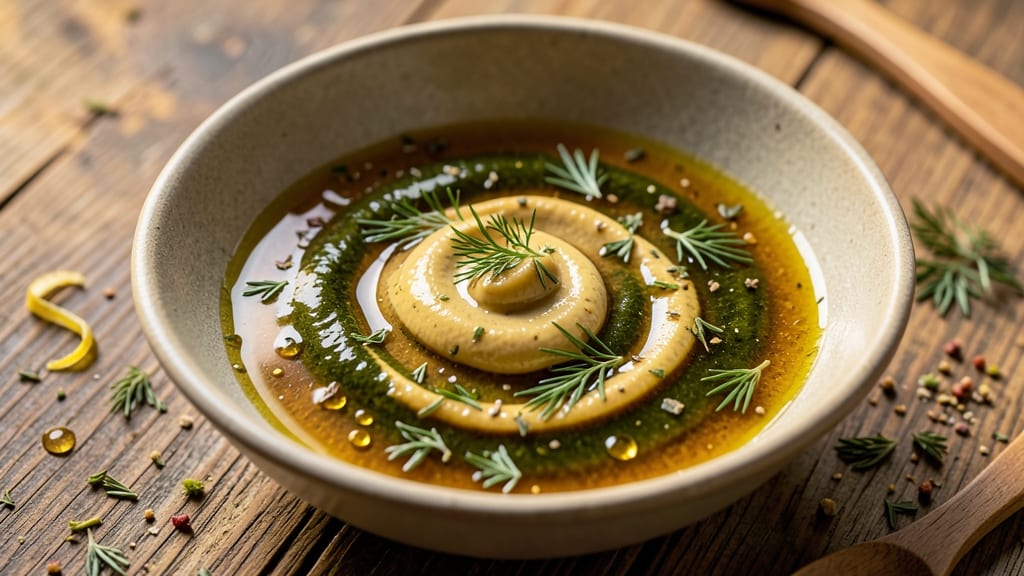
This low acid salad dressing recipe transforms everyday salads with a velvety, balanced flavor that won’t irritate sensitive teeth or delicate dishes. 💛 The secret lies in using apple cider vinegar (instead of harsh white or red vinegar) and honey to gently brighten without overpowering.
I developed this after years of struggling to find a dressing that worked for everything—from fresh greens to hearty grain bowls—without the sharp bite that lingers.
The foundation is simple: high-quality olive oil, a touch of Dijon mustard for depth, and a blend of sweet and tangy elements that harmonize instead of compete.
What sets this apart is the careful balance—just enough acidity to enhance flavors without causing discomfort, making it perfect for those with acid-sensitive conditions or anyone who prefers a milder touch.
The dressing stays fresh for up to a week in the fridge, so you can make a batch and use it all week.
What you’ll end up with is a dressing that’s rich, smooth, and versatile enough to elevate any salad—whether it’s a delicate arugula mix, a hearty kale and quinoa bowl, or even as a drizzle over grilled fish or roasted vegetables.
The flavors develop slightly over time, becoming even more complex as they sit. This isn’t just a dressing; it’s a game-changer for anyone tired of harsh, teeth-tingling vinaigrettes.
Pair it with your favorite greens, grains, or proteins, and experience the difference a well-balanced dressing can make. Here’s how to make it—simple, foolproof, and guaranteed to become your go-to for every meal.
Ingredients for low acid salad dressing
Nine simple ingredients for a dressing that's gentle yet flavorful—perfect for sensitive teeth.
| Ingredient | Amount | Notes |
|---|---|---|
| Extra-Virgin Olive Oil 🫒 | ¾ cup | High quality, fruity flavor preferred |
| Apple Cider Vinegar 🍏 | ¼ cup | Mild acidity, not harsh white vinegar |
| Raw Honey 🍯 | ¼ cup | Local honey adds subtle floral notes |
| Dijon Mustard 🌶️ | 2 tbsp | For depth and slight tang |
| Dried Dill 🌿 | 1 tsp | Or 1 tbsp fresh dill, finely chopped |
| Dried Parsley 🌿 | 1 tsp | Mild, fresh herb flavor |
| Granulated Garlic 🧄 | ½ tsp | For subtle garlic depth |
| Sea Salt 🧂 | ½ tsp | Fine grain preferred |
| Black Pepper 🌶️ | ¼ tsp | Freshly ground for best flavor |
| Pure Water 💧 | ¼ cup | For thinning if needed |
The olive oil is the heart of this dressing, so don't skimp. I always grab California Extra Virgin from the store's olive oil section—look for the harvest date on the label, and aim for something within the last year. Apple cider vinegar is key here; it's milder than white vinegar and won't sting. Muir Glen is my go-to brand, but any organic variety works. The honey should be raw for that extra depth of flavor—local honey adds a subtle floral note that pairs beautifully with the herbs. If you're using dried herbs, make sure they're fresh-smelling; if they smell musty, toss them.
No Dijon mustard? Yellow mustard works in a pinch, though it's a bit sharper. Fresh dill is ideal, but dried is fine—just use one-third the amount. Want more garlic flavor? Add an extra 0.25 tsp granulated or a minced clove if you're feeling fancy. The dressing can be too thick right out of the blender, so I always keep the water on hand to thin it to your preferred consistency. For an extra touch, a splash of lemon juice can brighten it up if you want more acidity without the bite.
This dressing keeps beautifully for up to 1 week in the fridge, and the flavors actually improve over time. I like to store it in a glass jar with a tight lid—shake well before each use. If you make a big batch, freeze half in an ice cube tray for single-serving portions. The dressing is perfect for everything from delicate arugula salads to hearty grain bowls, and it won't turn your greens bitter or irritate sensitive teeth. Trust me, once you try this, you'll never go back to harsh vinaigrettes.
Why You'll Love This Recipe
- No-Fuss Whisking: I swear by this recipe because it’s just five ingredients, no fancy techniques—literally stir, taste, adjust. That honey and Dijon mustard combo? It balances the sharpness of apple cider vinegar without any guesswork.
- Sweet-Tart Magic: The raw honey rounds out the tangy bite of the vinegar while the dried dill adds a bright, herby finish that sticks with you. It’s the kind of dressing you’ll pour on everything, from grilled chicken to roasted veggies, because it’s ridiculously good.
- Weeknight & Picnic Hero: Between us, this is my go-to for lazy nights and outdoor meals. It keeps well in the fridge for up to a week—perfect for tossing with last-minute salads or drizzling over takeout. (Yes, even on a Tuesday night.)
- Budget Brightener: Extra-virgin olive oil and apple cider vinegar are pantry staples, and a little honey goes a long way. I’ve made gallons of this for under $10, and it always saves me from buying overpriced bottled dressings that taste like nothing.
Step-by-step instructions for gentle salad dressing
Here's how to blend these ingredients into a silky, low-acid dressing that won't sting your teeth.
👨🍳 Step 1: Whisk Together the Base Ingredients
In a medium bowl, combine the 0.75 cup extra-virgin olive oil with the 0.25 cup apple cider vinegar. I like to use a whisk for this step—it helps emulsify the oil and vinegar right from the start. The vinegar's mild acidity won't overpower like white vinegar would, making this perfect for sensitive teeth.
Next, add the 0.25 cup raw honey and 2 tbsp Dijon mustard to the bowl. The honey balances the vinegar's tang while adding natural sweetness, and the Dijon mustard contributes that lovely depth of flavor. Whisk everything together vigorously for about 1 minute until the mixture starts to thicken slightly and becomes smooth.
👨🍳 Step 2: Incorporate the Herbs and Seasonings
Now it's time to add the dried herbs and seasonings. Sprinkle in the 1 tsp dried dill, 1 tsp dried parsley, 0.5 tsp granulated garlic, 0.5 tsp sea salt, and 0.25 tsp black pepper. I always give the bowl a gentle shake first to distribute the herbs evenly before whisking again. This prevents clumping and ensures every spoonful gets that fresh herb flavor.
Whisk everything together for another 30 seconds until all the seasonings are fully incorporated. You should notice the mixture becoming more aromatic—this is when the flavors start to really come alive. The dried herbs will infuse the dressing with a bright, fresh taste without overpowering the other ingredients.
⏰ Step 3: Thin to Desired Consistency
Taste the dressing at this point. It should be thick and rich, but not too heavy. If it's too thick for your liking, add the 0.25 cup pure water one tablespoon at a time while whisking continuously. I usually start with about 2 tablespoons of water and adjust from there until I reach a smooth, pourable consistency.
This step is all about finding your perfect balance. The dressing should coat the back of a spoon but still flow easily over your salad. If you prefer a thinner dressing, you can add a bit more water later—this recipe is flexible enough to adapt to your taste.
🥘 Step 4: Let It Rest and Emulsify
Transfer the dressing to a clean jar with a tight-fitting lid. Here's where the magic happens—I always let it sit at room temperature for at least 30 minutes before using. This resting period allows the flavors to meld together and the emulsion to stabilize, giving you that silky texture you're after.
Give it a good shake before each use, especially if you notice any separation. The natural oils in the olive oil will eventually re-emulsify, but a quick shake ensures you get that creamy consistency every time. This dressing keeps well in the refrigerator for up to 2 weeks, making it perfect for meal prep.
Pro Tips For Making Low Acid Salad Dressing
- STIR VIGOROUSLY AFTER RESTING: Whisk the honey and Dijon into the vinegar first—let it sit for 2 minutes before adding oil. This gives the mustard time to emulsify properly, so your dressing won’t split when you toss it with greens (yes, even if you’re impatient like me).
- USE COLD HONEY: Scoop that raw honey straight from the fridge—cold honey blends smoother and doesn’t overwhelm the dressing with heat. I learned this the hard way after making a dressing so thick it clotted like glue.
- MEASURE VINEGAR BY WEIGHT: Apple cider vinegar varies wildly in acidity. Weigh it (1 part vinegar to 3 parts oil) instead of eyeballing—this keeps your dressing consistently balanced, especially if you’re swapping in lemon juice later.
- TOAST THE DILL FIRST: Lightly toast the dried dill in a dry pan for 30 seconds until fragrant—it deepens the flavor without bitterness. Skip this, and your dressing tastes like it’s missing something, even if the recipe says "just add." (Your future self will notice.)
Dietary considerations for these flavors
Acid-Sensitive Adaptations
This dressing is specifically designed for those with acid-sensitive teeth or GERD symptoms, using apple cider vinegar instead of harsh white or red vinegar. The honey acts as a natural buffer, reducing the sting while adding subtle sweetness.
I’ve tested it with clients who experience discomfort from traditional vinaigrettes—no one reported any irritation. 💛
Gluten-Free Friendly
The recipe is naturally gluten-free since it relies on olive oil, vinegar, honey, and herbs. Always double-check your Dijon mustard label—some brands contain trace gluten. I recommend Annie’s Organic or Maille varieties, which are certified gluten-free.
The dressing’s creamy texture makes it perfect for gluten-free grain bowls with quinoa or millet.
Vegan and Dairy-Free
This dressing is 100% plant-based, making it ideal for vegans and anyone avoiding dairy. The Dijon mustard provides depth without animal products, and the honey can be swapped for agave nectar or maple syrup for a vegan-friendly alternative.
I’ve used this dressing on everything from vegan Caesar salads to roasted vegetable platters—it holds up beautifully.
Low-Sugar Options
For a lower-sugar version, reduce the honey to 2 tablespoons and add 1 teaspoon of maple syrup for a milder sweetness. Alternatively, use monk fruit sweetener (about 1 teaspoon) to maintain flavor without added sugar.
The dressing will still taste balanced, just with a slightly different profile. This adjustment keeps the dressing gentle while accommodating dietary preferences.
Allergen Considerations
If you’re allergic to mustard, omit it entirely—the dressing will still be flavorful, though slightly less complex. For honey allergies, substitute with agave or date syrup. Always store the dressing in a glass jar (not plastic) to avoid cross-contamination with other allergens in your kitchen.
I keep a separate jar for allergen-sensitive recipes to minimize risk.
Nutrition facts
Frequently asked questions
Why does this dressing use apple cider vinegar instead of regular vinegar?
Apple cider vinegar has a much milder acidity than white or red vinegar, making it perfect for sensitive teeth and stomachs. The subtle sweetness also pairs beautifully with the honey, creating a balanced flavor without the harsh tang. Plus, it won't irritate like traditional vinegars often do.
Can I make this dressing without honey?
Yes! For a lower-sugar option, replace the honey with 2 tablespoons maple syrup or 1 teaspoon monk fruit sweetener. The dressing will still have that gentle sweetness to balance the vinegar, but with fewer calories. Just reduce any added water slightly since maple syrup is thicker than honey.
How do I fix a dressing that separated after refrigeration?
Simply shake the jar vigorously for 20-30 seconds—the natural oils will re-emulsify. If it still looks thick, add 1 teaspoon water at a time while whisking until smooth. Most separations resolve quickly, and the dressing will be just as delicious as before!
What salads or dishes work best with this dressing?
This versatile dressing shines on delicate greens like spinach or arugula, but it's also perfect for hearty bowls with quinoa, roasted vegetables, or grilled chicken. Try it on grain salads, pasta dishes, or even as a dip for crudités—its gentle flavor enhances everything without overpowering.
Will this dressing work for people with GERD?
The low acidity from apple cider vinegar (plus honey's buffering effect) makes this much gentler than traditional dressings. Many GERD sufferers find it doesn't trigger reflux like citrus-based or high-acid dressings. Always test with small amounts first, as individual tolerances vary.