
Salads
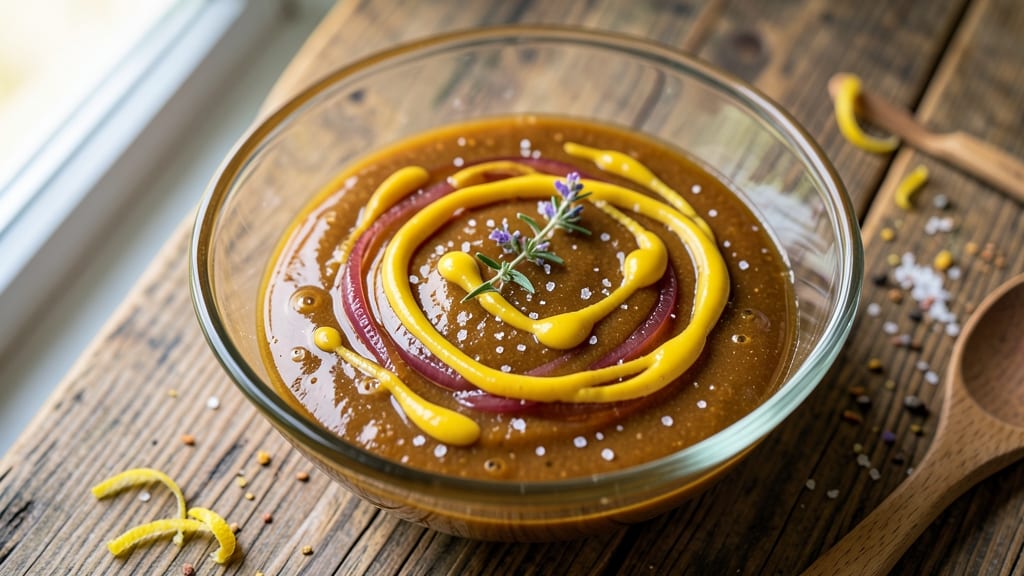
This Sweet Onion Dijon Salad Dressing Recipe transforms simple ingredients into a velvety, caramelized masterpiece that elevates every salad. 🌟 The secret lies in slow-cooked onions that add natural sweetness and depth, balanced by tangy Dijon mustard and a touch of acidity from apple cider vinegar.
Unlike store-bought versions, this dressing develops rich layers of flavor that cling beautifully to greens, grains, and proteins.
The process is straightforward but precise: caramelize onions until deep golden, then emulsify with Dijon, vinegar, and oil for a smooth, stable dressing. No blender required—just whisking and patience.
The result is a dressing with balanced richness that works equally well on crisp arugula salads or hearty grain bowls, while staying fresh for up to a week in the fridge.
What sets this recipe apart is the caramelized depth that transforms ordinary salads into something extraordinary. The onions provide natural sweetness without overpowering, while the Dijon adds a subtle kick that brightens every bite. Perfect for meal prep or last-minute dressings, this versatile condiment turns simple ingredients into restaurant-quality flavor.
Use it as a base for your favorite salads, a drizzle over roasted vegetables, or even a marinade for grilled meats. The dressing's creamy texture and complex flavor profile make it a staple for anyone who loves bold, homemade condiments. Let's get started on creating this crowd-pleasing favorite.
Ingredients for sweet onion dijon salad dressing
Nine essential ingredients crafting velvety depth with caramelized onions and Dijon's signature tang.
| Ingredient | Amount | Notes |
|---|---|---|
| Yellow Onions 🧅 | 2 whole | Thinly sliced for caramelization |
| Dijon Mustard 🍯 | ⅓ cup | High-quality for authentic flavor |
| Apple Cider Vinegar 🍏 | ¼ cup | Raw, unfiltered preferred |
| Extra-Virgin Olive Oil 🫒 | ¾ cup | Light or fruity variety |
| Granulated Sugar 🍚 | 2 tbsp | Light brown sugar for depth |
| Salt 🧂 | 1 ½ tsp | Diamond Crystal preferred |
| Black Pepper 🌶️ | ½ tsp | Freshly ground for warmth |
| Fresh Thyme Leaves 🌿 | 1 tbsp | Or 1 tsp dried thyme |
| Garlic Cloves 🧄 | 2 cloves | Minced for subtle aroma |
| Water 💧 | ¼ cup | For thinning consistency |
The onions are the foundation—yellow onions caramelize best, developing that sweet, jammy depth. Whole Foods or Trader Joe's carry the sweetest varieties; avoid red onions, which turn bitter. Thinly slice them (about 1/8-inch thick) for even cooking. The Dijon mustard should be 100% mustard seed—no additives. Maille or Amoy are reliable brands. For the vinegar, raw apple cider adds complexity—Bragg is my go-to, but any unfiltered works. The extra-virgin olive oil should have a peppery finish to balance the sweetness; California Olive Ranch is a safe bet.
No Dijon? Whole-grain mustard plus 1 tsp honey mimics the texture, though flavor won't be identical. Running short on onions? 1/2 cup caramelized shallots work in a pinch, but onions provide that unmistakable sweetness. Substituting white vinegar for apple cider vinegar? Add 1/2 tsp maple syrup to compensate for lost depth. The thyme can be dried, but fresh leaves infuse better flavor. For garlic, roasted garlic adds sweetness without overpowering. The sugar can be swapped for honey or maple syrup, but granulated dissolves more smoothly during caramelization.
Store the dressing in an airtight jar in the fridge for up to 1 week. The flavors meld beautifully overnight. For longer storage, freeze in ice cube trays—thaw and whisk to restore consistency. The onions keep in the fridge for 5 days post-caramelization, so make extra for sandwiches or roasted vegetables. If the dressing thickens, stir in 1 tsp water to restore emulsification. Always whisk before using to redistribute flavors evenly.
Why You'll Love This Recipe
- Five-Ingredient Magic: I swear by this combo—just onions, mustard, vinegar, oil, and sugar. No fancy gadgets, no stress. Honestly, I’ve made it blindfolded (okay, not really, but you get the point).
- Caramelized Crunch: That slow-cooked onion? It’s the star—sweet, tangy, and just crispy enough to make every bite sing. Between us, it’s the only dressing I’ll drizzle on grilled chicken or roasted potatoes without hesitation.
- Weeknight Workhorse: Toss it on salads, use it as a marinade, or even drizzle it over fries. I keep a jar in my fridge for everything—because why make separate dressings when one does it all?
- Budget-Friendly Staple: Dijon, onions, and vinegar? All pantry basics that won’t break the bank. I’ve made gallons of this for under $10—proof that great flavor doesn’t need a grocery haul.
Step-by-step instructions for sweet onion Dijon salad dressing
Transform simple ingredients into a complex dressing with caramelized depth and balanced richness.
🔥 Step 1: Caramelize the Yellow Onions
Heat a medium saucepan over medium-low heat and add 2 tablespoons of the extra-virgin olive oil. Thinly slice the 2 whole yellow onions (about ¼-inch thick) and add them to the pan in a single layer. Cook undisturbed for 10 minutes until the onions soften and begin to release moisture.
Here's the thing—caramelization takes patience. After the initial 10 minutes, stir occasionally and continue cooking for another 15-20 minutes until the onions turn a deep golden brown and smell intensely sweet. You're aiming for a jam-like consistency with pronounced caramelized flavors. If the onions stick, add 1 tablespoon of the apple cider vinegar to deglaze and scrape up any browned bits from the bottom of the pan.
🍳 Step 2: Build the Dressing Base
Remove the pan from heat and let the onions cool slightly for 5 minutes. Transfer the caramelized onions to a blender or food processor. Add the 0.33 cup Dijon mustard, 0.25 cup apple cider vinegar, 2 tablespoons granulated sugar, 1.5 teaspoons salt, and 0.5 teaspoon black pepper.
Pulse the mixture until smooth, scraping down the sides as needed. The sugar will help dissolve completely, creating a thick, paste-like consistency. This is your flavor foundation—where the sweetness from the caramelized onions meets the tangy Dijon and vinegar. The sugar also helps balance the acidity, preventing the dressing from being too sharp.
🥘 Step 3: Incorporate Aromatics and Thin to Desired Consistency
Add the 2 cloves minced garlic and 1 tablespoon fresh thyme leaves to the blender. With the motor running, slowly drizzle in the remaining 0.5 cup extra-virgin olive oil to emulsify the dressing. The thyme adds an earthy depth, while the garlic provides subtle warmth that complements the sweet onions.
Once combined, add the 0.25 cup water one tablespoon at a time until you reach your desired consistency. For a thicker dressing (ideal for drizzling), use less water. For a thinner dressing (better for tossing salads), add more. Taste and adjust seasoning—you may need a pinch more salt or sugar to balance the flavors. The dressing should coat the back of a spoon but still pour smoothly.
⏰ Step 4: Rest and Emulsify
Transfer the dressing to a clean jar and let it rest at room temperature for at least 30 minutes. This resting period allows the flavors to meld and the emulsion to stabilize. The acidity in the vinegar and Dijon will help bind the oil and water, creating a silky texture. Give it a good stir before using to ensure everything is fully incorporated.
For best results, refrigerate any unused dressing for up to 1 week. The flavors will continue to develop, becoming even more complex over time. Before serving, give it a quick shake or stir—sometimes the oil and vinegar separate slightly when refrigerated, but it will re-emulsify when mixed. This dressing is incredibly versatile—drizzle it over greens, use it as a marinade, or toss it with roasted vegetables.
Pro Tips For Making Sweet Onion Dijon Salad Dressing
- CARAMELIZE THE ONIONS: Start them in a cold, dry pan over medium-low heat—no rushing. After 10 minutes, when they’re soft and just beginning to turn golden, add a splash of water, cover, and let them steam for 5 minutes. This keeps them from burning while building deep sweetness that cuts through the mustard’s sharpness.
- WHISK IN STAGES: Mix the Dijon and sugar first, then slowly drizzle in the vinegar while whisking vigorously. Only then add the olive oil in a thin stream—this emulsifies the dressing properly and prevents a greasy split. (Yes, even if you’re impatient like me.)
- SALT THE ONIONS: Toss the sliced onions with ½ teaspoon of salt before cooking. This draws out moisture, ensuring they caramelize evenly and don’t stick. Skipping this step means uneven browning and a dressing that tastes flat.
- USE COLD OIL: Let your olive oil sit out for 30 minutes before measuring—cold oil blends more smoothly and won’t cook off the onions’ flavor. If you’re in a hurry, chill the bowl of oil in ice water for 10 minutes. The dressing will emulsify better and taste richer.
Wine and beer pairings for this recipe
Crisp Whites
This dressing pairs beautifully with crisp, refreshing whites like Sauvignon Blanc from New Zealand or Albariño from Spain. The bright acidity of these wines cuts through the dressing's richness, cleansing your palate between bites.
I especially love a Cloudy Bay Sauvignon Blanc—its citrus notes complement the caramelized onions perfectly. 🍷
Light Reds
For a red wine option, go for light-bodied varieties with subtle fruitiness. A Pinot Noir from Oregon or Beaujolais from France works wonderfully. The red fruit notes in these wines mirror the sweetness of the caramelized onions, while their acidity balances the Dijon's tang.
Avoid heavy Cabernet Sauvignons—they can overpower the delicate flavors.
Craft Beer Pairings
If wine isn't your thing, try a Belgian Witbier like Hoegaarden or a German Helles Lager such as Weihenstephaner. The citrusy, spiced notes in Witbiers enhance the dressing's caramelized depth, while the crispness of a Helles Lager refreshes your palate.
For a bolder option, a light American IPA with floral hops adds an interesting contrast to the sweet onions.
Seasonal Adjustments
In warmer months, opt for chilled rosé or a sparkling wine like Prosecco to keep your meal light. The bubbles in Prosecco help cut through the dressing's richness, making it perfect for summer salads.
During colder months, a Chardonnay with light oak adds a creamy texture that pairs beautifully with the dressing's velvety consistency.
Non-Alcoholic Options
For a non-alcoholic pairing, try sparkling apple cider or a ginger beer like Feani. The effervescence and slight sweetness complement the dressing's caramelized notes without overpowering them. A cucumber-mint infused water also works well, especially for lighter salads where you want to keep the focus on fresh flavors. 💧
Nutrition facts
Frequently asked questions
Can I make this dressing without caramelizing the onions?
The caramelized onions create the signature sweet depth, but you can substitute ½ cup quick-pickled onions or 2 tbsp onion jam for convenience. The flavor won't be identical, but it'll still add sweetness and complexity. For best results, cook regular onions until soft (about 8 minutes) instead of fully caramelized.
Why did my dressing separate after refrigerating?
This is normal! The emulsion may break when cold, but simply whisk or shake vigorously to re-combine. For a more stable dressing, add 1 tsp xanthan gum when blending or reduce the water by 2 tbsp. Always store in an airtight container to prevent separation.
How can I make this dressing spicier?
Add ½ tsp smoked paprika or 1 tsp hot sauce during blending, or finish with chopped jalapeños or red pepper flakes. For heat without raw pepper, infuse 1 tsp cayenne into the oil before adding it to the blender. Adjust to taste—start small!
What's the best way to use leftover dressing?
Drizzle over roasted Brussels sprouts, grilled chicken, or charcuterie boards for extra flavor. It also makes a great marinade for salmon or pork tenderloin—just reduce the water by half. For a quick upgrade, mix with 1 tbsp honey for dessert dipping sauce.
Can I make this dressing without a blender?
Yes! After caramelizing the onions, mix all ingredients in a jar and shake vigorously until smooth. For better emulsification, add the oil 1 tbsp at a time while shaking. The texture won't be perfectly silky, but it'll still taste delicious. A whisk works too—just be patient and stir for 5 minutes.