
Salads
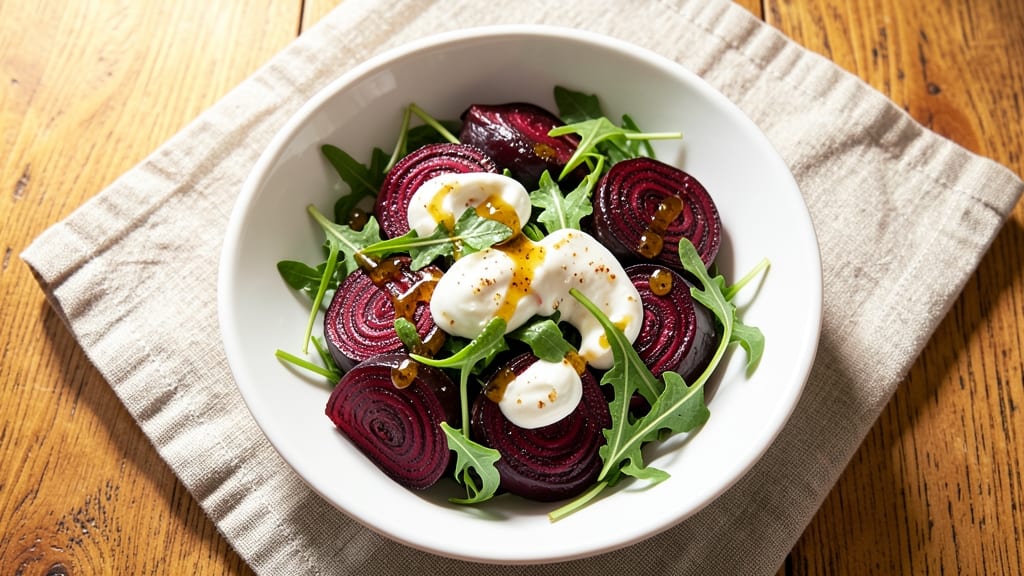
This arugula beet salad dressing recipe transforms simple greens into a vibrant, flavor-packed experience that balances earthy sweetness with bright tang. The secret lies in blending fresh beet juice with arugula's peppery bite, creating a dressing that's creamy, emulsified, and packed with natural sweetness without added sugar. I developed this recipe after realizing store-bought dressings couldn't capture the depth of fresh vegetables—this version does it justice.
The magic happens when beet juice's natural sweetness meets arugula's peppery kick, balanced by a touch of apple cider vinegar for acidity. A simple blend of olive oil and plant-based yogurt creates that signature creamy texture without dairy, making it perfect for vegans.
This dressing isn't just healthy—it's versatile enough to elevate any salad, grain bowl, or even as a marinade for grilled vegetables.
What makes this dressing truly special is its ability to stay fresh for up to five days in the refrigerator, maintaining its vibrant color and rich flavor. The emulsified texture means no separation, and the natural ingredients keep it light yet satisfying.
It's the kind of dressing that makes you want to eat salads every day—no compromise on flavor, just pure vegetable goodness.
Ready in just 10 minutes, this recipe requires no cooking and minimal equipment. The ingredients are simple: fresh beets, arugula, apple cider vinegar, olive oil, and plant-based yogurt.
Whether you're prepping for meal prep or adding a gourmet touch to a quick lunch, this dressing delivers restaurant-quality results at home.
Ingredients for arugula beet salad dressing
Simple, vibrant ingredients transform into a restaurant-quality dressing that elevates any salad.
| Ingredient | Amount | Notes |
|---|---|---|
| Fresh Beets 🍠 | 2 medium | Roasted or raw, peeled |
| Fresh Arugula 🌿 | 1 cup | Packed, stems removed |
| Apple Cider Vinegar 🍎 | 2 tbsp | Raw, unfiltered preferred |
| Extra-Virgin Olive Oil 🫒 | ½ cup | Light or fruity variety |
| Unsweetened Plant-Based Yogurt 🥛 | ½ cup | Coconut or almond yogurt |
| Garlic Cloves 🧄 | 2 cloves | Fresh, minced or grated |
| Dijon Mustard 🌶️ | 1 tbsp | Vegan-certified preferred |
| Maple Syrup 🍁 | 1 tbsp | Pure, grade A |
| Sea Salt 🧂 | ½ tsp | Diamond Crystal preferred |
| Freshly Ground Black Pepper 🌶️ | ¼ tsp | None |
The beets are the foundation here—organic, medium-sized work best for their natural sweetness. Roast them whole at 400°F for 45 minutes to intensify flavor, then blend with their juice. Trader Joe's often carries pre-peeled beets, saving time. Arugula should be bright green with no yellowing—local farmers markets offer the freshest leaves. For maximum peppery punch, harvest arugula in the morning when its flavor peaks. The plant-based yogurt must be unsweetened and thick—Forager or Kite Hill brands excel in this role.
No fresh beets? Beet juice from a jar works in a pinch, though it lacks depth. Substitute arugula with spinach or baby kale if needed, but reduce to ½ cup for milder flavor. Apple cider vinegar can be swapped for lemon juice at half the amount, though the tang will differ. Olive oil quality matters—California avocado oil is a neutral alternative if you prefer. For extra creaminess, blend in 1 tbsp silken tofu. The maple syrup is optional but enhances the dressing's natural sweetness without overpowering.
Store in a clean, airtight glass jar in the refrigerator for up to 5 days. The emulsified texture remains stable, but give it a quick shake before each use. For longer storage, freeze in 1-ounce portions—thaw overnight in the fridge. This dressing pairs beautifully with roasted vegetables, grain bowls, or even as a marinade for grilled tofu. The vibrant color fades slightly over time, but flavor stays intact.
Why You'll Love This Recipe
- No Chopping Needed: I swear by this—just spiralize those beets (or buy pre-cooked ones) and toss them raw into the dressing. The arugula stays whole, and the yogurt blends everything into a silky, no-fuss sauce in seconds. My lazy Sundays thank me.
- Earthy-Sweet Magic: That beet-y richness pairs perfectly with the sharp tang of apple cider vinegar and the creamy yogurt. Honestly, the first time I tasted it, I thought, "Why haven’t I done this before?"—it’s like a grown-up ranch meets a fancy salad.
- Dresses Up Everything: This isn’t just for salads. Drizzle it over roasted veggies, use it as a marinade for grilled chicken, or even toss it with pasta. I’ve even slathered it on toast with a sprinkle of flaky salt—trust me, it works.
- Budget-Friendly Pantry Staple: Beets last forever, arugula grows like a weed, and the rest? Olive oil, vinegar, yogurt—things you already have. I made a double batch last week, and it’s still keeping my lunches exciting for half the week. Zero waste, all flavor.
Step-by-step instructions for earthy sweet beet-arugula dressing
This vibrant dressing combines roasted beets and peppery arugula for a complex flavor profile that balances sweetness, acidity, and creamy texture.
Roast the Beets for Deep Sweetness
Preheat your oven to 400°F and line a baking sheet with parchment paper. Pierce the 2 medium fresh beets with a fork in several places to allow steam to escape. Place them on the prepared sheet and roast for 45-50 minutes until tender when pierced with a knife. The beets should be soft throughout but still hold their shape.
While roasting, I like to turn them halfway through for even cooking. The skins will darken slightly, which is perfect for adding earthy depth to our dressing. Let the beets cool completely before handling—they'll be extremely hot right out of the oven and will continue cooking slightly as they cool.
Create the Base Dressing Components
In a medium bowl, combine the 0.5 cup unsweetened plant-based yogurt, 1 tbsp Dijon mustard, 1 tbsp maple syrup, 2 tbsp apple cider vinegar, 0.5 tsp sea salt, and 0.25 tsp freshly ground black pepper. Whisk vigorously until completely smooth and well incorporated. This base creates the creamy foundation while balancing the sweetness with tangy acidity.
In a separate small bowl, finely mince the 2 cloves garlic and set aside. The garlic should be minced very finely—almost like a paste—to prevent any graininess in the final dressing. I prefer to use a microplane for this step as it gives me better control over the texture.
Blend the Roasted Beets and Arugula
Once the beets are completely cool, peel off the skins (they should come off easily now) and cut them into ½-inch chunks. In a food processor fitted with the blade attachment, combine the beet chunks with the 1 cup packed fresh arugula. Pulse until the mixture resembles coarse sand—you want to break down the arugula but not completely purée it, as we want some texture in our dressing.
Transfer the beet-arugula mixture to a blender or food processor. Add the garlic, 0.5 cup extra-virgin olive oil, and the prepared yogurt base. Blend on high speed for 30-45 seconds until completely smooth. The dressing should have a vibrant pink hue from the beets and a slightly thick, creamy consistency—similar to a vinaigrette but with more body.
Adjust Consistency and Flavor
Taste the dressing immediately after blending. The flavors should be harmonious—sweet from the beets and maple syrup, tangy from the vinegar, earthy from the arugula, and creamy from the yogurt. If the dressing is too thick, gradually add 1-2 tablespoons of water at a time until it reaches a pourable consistency that coats the back of a spoon.
For optimal flavor development, let the dressing sit at room temperature for 10 minutes before using. This allows the flavors to meld together more completely. Store any leftovers in an airtight container in the refrigerator for up to 5 days, giving it a gentle stir before each use to re-emulsify the ingredients.
Pro Tips For Making Arugula Beet Salad Dressing
- Roast Beets Until Tender: DESCRIPTION: Don’t skip the fork test—beets should pierce easily with a knife or fork, even if they’re not perfectly uniform. Undercooked beets add a gritty bite that ruins the creamy dressing’s balance, and overcooked ones turn mushy. Aim for just tender, then cool them before peeling to avoid a sticky mess.
- Whisk Dressing Cold: DESCRIPTION: Mix the yogurt, vinegar, and olive oil in a bowl first, then fold in the beets and arugula last. Warm beets release starches that turn your dressing grainy if you blend everything hot. Let the dressing sit for 2–3 minutes after whisking—it’ll thicken slightly and taste richer.
- Tear Arugula, Don’t Chop: DESCRIPTION: Rough up the leaves with your fingers instead of slicing them—this keeps the salad’s texture lively and prevents the dressing from turning into a sad, watery puddle. Arugula’s peppery bite shines when it’s torn, not shredded into oblivion.
- Balance Vinegar Slowly: DESCRIPTION: Start with half the vinegar called for, taste, then add more. Apple cider vinegar’s tang cuts through the beets’ sweetness, but too much makes the yogurt curdle. If it’s too sharp, a pinch of salt or a drizzle of honey (yes, even in savory dressings) fixes it—trust me, I’ve had to.
Regional styles of arugula beet salad dressing
Italian Rustic Twist
Inspired by Tuscan traditions, this variation swaps apple cider vinegar for balsamic vinegar reduction—simmer ¼ cup balsamic vinegar until thickened to 2 tbsp. Add 1 tbsp sun-dried tomato paste and ½ tsp dried oregano to the yogurt base for Mediterranean flair.
The result? A dressing that pairs perfectly with roasted Mediterranean vegetables or grilled halloumi. 🍅
Southern BBQ-Inspired
For a smoky, tangy twist, replace the maple syrup with 1 tbsp molasses and add 1 tsp smoked paprika to the yogurt base. Use ½ cup extra-virgin olive oil> and 1 tbsp hot sauce (like Cholula) for heat.
This version works amazingly as a marinade for grilled tofu or as a dip for crispy fried okra. The beet's natural sweetness balances the smokiness beautifully.
French-Inspired Vinaigrette
Skip the yogurt entirely and transform this into a classic French-style vinaigrette. Blend ½ cup beet juice (strained from roasted beets), ½ cup extra-virgin olive oil, 1 tbsp Dijon mustard, 1 tbsp red wine vinegar, 1 tsp honey substitute (agave), and ½ tsp thyme leaves.
This lighter version is perfect for drizzling over goat cheese salads or roasted Brussels sprouts. The earthy beets add depth without overpowering the classic French balance.
Mexican-Inspired Lime Dressing
Brighten up the dressing with zesty lime by replacing apple cider vinegar with 2 tbsp lime juice and adding 1 tsp lime zest. Stir in ½ tsp ground cumin and ¼ tsp cayenne pepper to the yogurt base.
Top with 2 tbsp chopped cilantro just before serving. This version shines on tacos, black bean salads, or as a marinade for corn. The lime's acidity cuts through the richness of the beets beautifully.
German-Inspired Mustard Dressing
For a heartier German-style dressing, increase the Dijon mustard to 2 tbsp and add 1 tbsp whole-grain mustard. Use ½ cup apple cider vinegar> and 1 tsp caraway seeds> (lightly toasted) for a distinctive European flavor.
This version pairs wonderfully with sauerkraut, roasted cabbage, or even as a dip for pretzels. The caraway adds a subtle anise note that complements the earthy beets perfectly.
Asian-Inspired Sesame Dressing
Transform this dressing into an Asian-inspired version by replacing the olive oil with ½ cup toasted sesame oil> and adding 1 tbsp soy sauce>, 1 tsp rice vinegar>, and ½ tsp grated ginger>.
Swap the maple syrup for 1 tsp honey substitute (like coconut sugar)>. This dressing works beautifully over stir-fried greens, noodle bowls, or as a dip for spring rolls. The sesame oil adds a nutty depth that enhances the beet's natural sweetness.
Nutrition facts
Frequently asked questions
Can I make this dressing without roasting the beets?
Yes! For a quicker version, use ½ cup raw beet juice (from store-bought or freshly juiced beets) and add 1 tbsp extra maple syrup to compensate for lost sweetness during roasting. The texture will be slightly lighter but still vibrant. Raw beets work best in this case because they're sweeter and more tender.
How do I prevent the dressing from separating?
Emulsification is key—blend the dressing for at least 30 seconds on high speed to create a stable mixture. If separation occurs, stir in 1 tsp Dijon mustard or ½ tsp xanthan gum (a natural thickener) to restore creaminess. Store in a fully sealed container and stir gently before each use to maintain texture.
What's the best way to store leftover dressing?
Keep it refrigerated in an airtight glass jar for up to 5 days. The emulsified texture remains stable, but give it a quick shake before using. For longer storage, freeze in 1-ounce portions—thaw overnight in the fridge. The color may darken slightly, but flavor stays intact.
Can I use this dressing on non-salad dishes?
This versatile dressing works as a marinade for grilled tofu or vegetables, a dip for veggie sticks, or even a sauce for grain bowls. The creamy texture clings beautifully to roasted potatoes or as a drizzle over avocado toast. Just adjust seasoning slightly for different applications—add more salt for heartier dishes.
Why does my dressing taste bitter?
Bitterness usually comes from overcooked beets or arugula. Ensure beets are roasted until tender but not mushy (45-50 minutes at 400°F). If using fresh arugula, harvest it in the morning when flavors are brightest. Add ½ tsp extra maple syrup to balance bitterness, or a pinch of salt to enhance sweetness.