
Salads
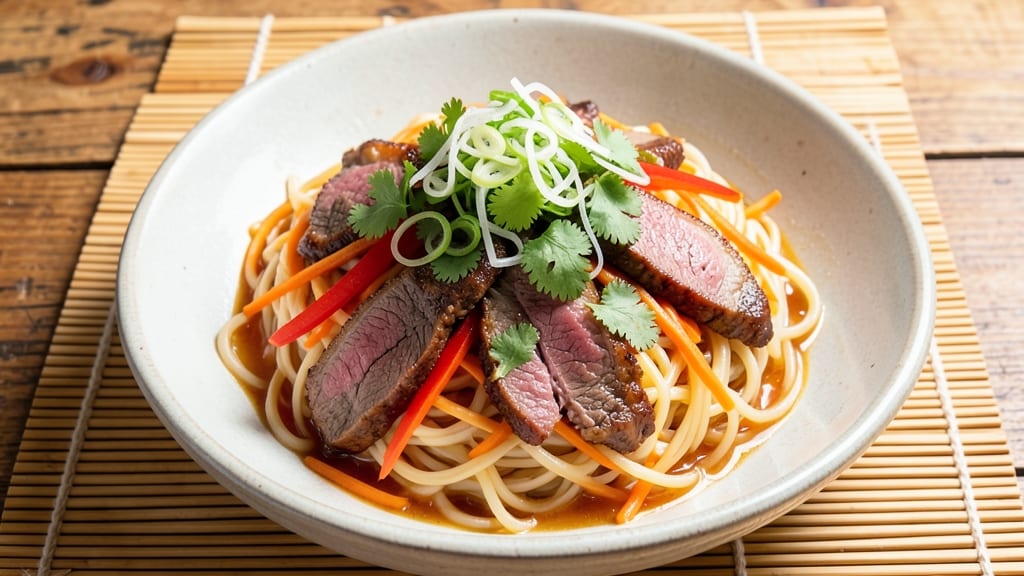
This Asian beef noodle salad recipe delivers a perfect balance of tender beef, chewy noodles, and a tangy-sweet dressing that’s impossible to resist. 🌟 The secret lies in thinly sliced beef marinated in a bold soy-ginger mix, paired with crisp vegetables and a sauce that’s both vibrant and deeply flavorful.
It’s the kind of dish that transforms a simple lunch into a restaurant-worthy meal without requiring hours in the kitchen.
The beauty of this recipe is its versatility—whether you prefer a lighter Vietnamese-inspired version with rice noodles or a heartier Thai-style salad with soba, the technique remains the same.
The beef is quick to cook, the noodles are ready in minutes, and the dressing comes together in just a few minutes with pantry staples. No fancy equipment is needed, just a knife, a bowl, and a willingness to taste as you go.
What you’ll end up with is a dish that’s fresh yet satisfying, with each bite offering a mix of textures—crisp vegetables, tender beef, and chewy noodles—all coated in a sauce that’s tangy, slightly sweet, and packed with umami.
The tamarind adds a unique depth that sets this salad apart from typical Asian-inspired dishes, while the optional toppings like crushed peanuts or fried shallots add an extra layer of crunch.
Perfect for meal prep, potlucks, or a quick weeknight dinner, this recipe scales easily and tastes even better the next day. The flavors meld beautifully when chilled, making it ideal for those hot afternoons when you crave something cool and refreshing. Let’s get started!
Ingredients for asian beef noodle salad
Quick grocery run for these fresh ingredients—no exotic finds needed. The secret is in the tamarind and ginger.
| Ingredient | Amount | Notes |
|---|---|---|
| Flank Steak 🥩 | 1 lb | Thinly sliced against grain |
| Rice Noodles 🍜 | 8 oz | Uncooked, medium width |
| Carrots 🥕 | 2 medium | Julienned or matchstick cut |
| Red Bell Pepper 🌶️ | 1 whole | Thinly sliced, seeds removed |
| Green Onions 🧅 | 4 whole | White and green parts separated |
| Fresh Cilantro 🌿 | ½ cup | Chopped, stems removed |
| Tamarind Paste 🍋 | 2 tbsp | Unsweetened, or substitute lime juice |
| Soy Sauce 🍶 | 3 tbsp | Light or regular, not low-sodium |
| Sesame Oil 🫒 | 1 tbsp | Toasted, for finishing |
| Ginger 🧄 | 1 tbsp | Fresh, grated or minced |
| Garlic Cloves 🧄 | 4 cloves | Minced or pressed |
| Peanuts 🥜 | ¼ cup | Crushed, roasted |
| Lime Juice 🍋 | 2 tbsp | Freshly squeezed |
| Sesame Seeds 🌾 | 1 tbsp | Toasted, for garnish |
| Vegetable Oil 🫒 | 2 tbsp | For stir-frying beef |
The beef is non-negotiable for texture. Flank steak is ideal—it stays tender when sliced thin. Look for well-marbled cuts at Whole Foods or your local butcher. If you can't find flank, sirloin or ribeye work too, but slice them extra thin. The rice noodles should be medium-width for that perfect chewy bite—Thai Kitchen brand is a pantry staple. For the tamarind, Trader Joe's sells it in paste form, but if you can't find it, lime juice plus a pinch of sugar gets you close.
No tamarind? Lime juice plus 1 tsp sugar mimics the tang. Fresh ginger is best, but ground ginger at half the amount works in a pinch. The peanuts can be swapped for cashews or almonds if you prefer. For extra crunch, add fried shallots from an Asian market. The carrots and bell pepper should be crisp—if they're soft, swap for cucumber or snap peas. And if you're short on time, pre-shredded coleslaw mix adds instant veggie volume.
This salad keeps beautifully for 3 days in the fridge, but the flavors deepen overnight. Store the dressing separately if you're prepping ahead—just toss everything together when ready to eat. The noodles soften fast, so undercook them slightly if you're assembling ahead. For a meal prep hack, portion the dressing into small containers and keep it in the fridge for quick assembly. The tamarind sauce can be made 3 days ahead—it just gets more intense with time.
Why You'll Love This Recipe
- No-Fuss Prep: I swear by this recipe because it’s actually effortless—just slice the flank steak thin (or buy pre-sliced), soak the rice noodles for 10 minutes, and toss everything together. No boiling, no frying, no stress. The bell pepper and carrots stay in big chunks if you’re lazy (I often am), and the green onions add freshness with zero prep.
- Umami Bomb: That seared flank steak—still tender with just a hint of char—carries the whole dish. The fish sauce, lime, and chili dressing cut through the richness while the rice noodles soak it all up like a sponge. Honestly, the first bite makes me forget it’s a salad.
- Lunchbox Hero: Between us, this is my go-to for packed lunches. The noodles hold up for days in the fridge, and the dressing keeps the beef from drying out. I double the batch every Sunday because it’s way cheaper than takeout, and my kids actually eat it (yes, even the veggies).
- Budget Flex: Flank steak is affordable, and you’re using every part of it—no waste. Swap in cabbage or cucumber if bell peppers are pricey, or bulk up the noodles for a filling meal. It’s the kind of dish where you’ll wonder why you ever ordered delivery when this costs half as much.
Step-by-step instructions for Asian beef noodle salad
Here's how to create a perfectly balanced dish with tender beef, crisp vegetables, and a tangy-sweet tamarind dressing.
🔥 Step 1: Marinate and Sear the Flank Steak
Slice the 1 lb Flank Steak thinly against the grain for maximum tenderness. In a bowl, combine 3 tbsp Soy Sauce, 2 tbsp Tamarind Paste, 1 tbsp minced Ginger, and 4 minced Garlic Cloves. Add the sliced steak and toss to coat evenly. Let it marinate for at least 20 minutes (or up to 2 hours in the fridge) while you prepare the rest.
Heat 2 tbsp Vegetable Oil in a large skillet over high heat until shimmering. Add the marinated steak in a single layer, being careful not to overcrowd. Sear for 1-2 minutes per side until deeply browned and cooked to your preferred doneness. The steak should be medium-rare (130-135°F internal temp) for best texture. Remove from heat and let rest for 5 minutes before slicing thinly against the grain.
👨🍳 Step 2: Prepare the Vegetable Medley
While the steak rests, julienne the 2 medium Carrots and thinly slice the 1 whole Red Bell Pepper (seeds removed). Separate the 4 whole Green Onions into white and green parts. Chop the 0.5 cup Fresh Cilantro, reserving a small handful for garnish later.
Heat a wok or large skillet over medium-high heat with 1 tbsp Vegetable Oil (if needed). Add the carrots and bell pepper, stir-frying for 3-4 minutes until they begin to soften but still retain a crisp texture. Add the white parts of the green onions and cook for another 1 minute, then remove from heat. Toss with 1 tbsp Sesame Oil to preserve color and freshness.
🍳 Step 3: Cook and Assemble the Rice Noodles
Bring a large pot of water to a rolling boil. Add the 8 oz Rice Noodles and cook for 2-3 minutes until just tender but still slightly firm. Drain immediately and rinse under cold water to stop the cooking process. Toss the noodles with 1 tbsp Sesame Oil to prevent sticking and keep them separate.
In a large mixing bowl, combine the cooked noodles, sliced steak, vegetable medley, and green onion tops. Gently toss everything together, being careful not to overmix and break the noodles. The salad should look vibrant with layers of color from the beef, vegetables, and herbs.
🥘 Step 4: Create the Tangy Dressing
In a small bowl, whisk together the remaining 2 tbsp Lime Juice, 1 tbsp Sesame Oil, and any leftover marinade from the steak. This dressing should be thin enough to coat the back of a spoon but still cling to the salad components. If needed, add 1-2 tablespoons of water to achieve the right consistency.
Pour the dressing over the salad and toss gently to combine. The tamarind paste adds a unique tangy depth while the lime juice brightens the flavors. Taste and adjust seasoning with additional soy sauce or lime juice if needed. The perfect balance should be sweet, tangy, and umami-rich without being overpowering.
🍽️ Step 5: Finish and Serve Immediately
Transfer the salad to serving bowls and sprinkle with the reserved 0.5 cup chopped Fresh Cilantro and 0.25 cup crushed Peanuts. Toast the 1 tbsp Sesame Seeds in a dry skillet over medium heat for 1-2 minutes until fragrant, then sprinkle over the top for added crunch and aroma.
Serve immediately while the noodles are still warm and the vegetables retain their crisp texture. The contrast between the tender beef, chewy noodles, and crunchy vegetables creates an ideal texture profile. Each bite should deliver a harmonious blend of flavors with the tangy tamarind dressing tying everything together.
Pro Tips For Making Asian Beef Noodle Salad
- Slice Against the Grain: Flank steak’s tough when cut with the grain—it’s like chewing shoe leather. Turn the board 45 degrees and slice diagonally after cooking; you’ll get tender, ribbon-like strips that melt in your mouth.
- Soak Noodles in Ice Water: Rice noodles turn mushy if you overcook them. Boil for 30 seconds, then dump into a bowl of ice water for 10 seconds. They’ll firm up instantly and stay chewy, not soggy—trust me, I’ve ruined enough batches.
- Don’t Overcrowd the Pan: I used to toss all the sliced beef in at once, and it just steamed instead of searing. Work in batches—2 strips at a time—so they get a proper crust. Crowding = bland, greasy beef. No one wants that.
- Prep Veggies Last: Carrots and bell peppers lose their crunch fast. Shave the carrots and slice the pepper just before assembling the salad. Raw, crisp veggies make the dish pop—wilted ones? Forget it.
Flavor customization for this dish
Sweet Heat Balance
Adjust the tamarind-lime dressing ratio to control sweetness and tang. For a spicier kick, add ½ tsp chili flakes or 1 tsp sriracha to the sauce—this works especially well with flank steak’s rich flavor.
If you prefer less heat, swap the tamarind for 1 tbsp honey and 1 tbsp rice vinegar while keeping the lime juice for brightness. 🌶️
Umami Boosters
Elevate the savory depth by adding 1 tbsp fish sauce or 1 tsp oyster sauce to the dressing for a Vietnamese-inspired twist. For a Thai-inspired version, stir in 1 tsp palm sugar and ½ tsp shrimp paste (if you can find it).
These ingredients amplify the beef’s natural umami without overpowering the dish.
Herb Swaps
Replace cilantro with Thai basil for a fragrant, anise-like aroma that pairs beautifully with the tamarind. For a minty freshness, add 2 tbsp chopped mint—it brightens the dish and balances the richness. If you’re missing cilantro, green onion tops or bok choy stems work as quick substitutes. 🌿
Texture Variations
For extra crunch, swap peanuts for toasted coconut flakes or crushed wasabi peas—both add a bold, nutty contrast. If you prefer softer textures, omit the peanuts and add sliced cucumber or shredded cabbage instead. The key is balancing the chewy noodles with something crisp or tender.
Protein Alternatives
Swap flank steak for grilled chicken thigh (marinated the same way) or shredded rotisserie chicken for a lighter option. For vegetarian, use crispy tofu or shredded king oyster mushrooms—both absorb the tamarind dressing beautifully. Just ensure they’re cooked to a similar texture as the beef. 🥩
Regional Twists
For a Thai-inspired version, add 1 tsp lemongrass paste to the dressing and top with crushed roasted cashews. A Vietnamese-style salad (like Bún Bò Huế) calls for sliced jalapeños, bean sprouts, and a sour plum sauce instead of tamarind.
Each regional adaptation keeps the core technique but shifts the flavor profile dramatically. 🗺️
Nutrition facts
Frequently asked questions
Can I use pre-cooked beef for this recipe?
Yes, but the texture will differ. Use rotisserie chicken or shredded deli beef (like corned beef) if you're short on time. For best results, marinate the pre-cooked protein in the tamarind-ginger mix for 15-20 minutes before assembling. The flavor will still be delicious, though the texture won't be as tender as fresh seared beef.
How do I make this recipe gluten-free?
Swap the soy sauce for tamari or coconut aminos (both are gluten-free). Check your rice noodles for gluten-free labeling—many brands offer gluten-free versions. For extra safety, use rice noodles certified gluten-free from the Asian aisle. The tamarind paste and other ingredients are naturally gluten-free.
Why is my dressing too thick or too thin?
Adjust with water or lime juice! If too thick, thin with 1-2 tbsp water or extra lime juice. If too thin, add 1 tsp tamarind paste or ½ tsp honey to thicken. The dressing should coat the back of a spoon but still cling to ingredients. Taste as you go—balance is key!
Can I make this ahead of time?
Store components separately for 3 days in the fridge. Keep the beef, noodles, and veggies in one container, and the dressing in another. Assemble just before serving to maintain crispness. The flavors actually improve overnight—just add fresh herbs (cilantro) when serving.
What's the best way to reheat leftovers?
Reheat gently in a skillet with 1 tsp sesame oil over low heat for 2-3 minutes—just until warmed through. Avoid microwaving to prevent soggy noodles. For extra freshness, toss with 1 tsp lime juice and ½ tsp soy sauce after reheating to revive the flavors.