
Salads
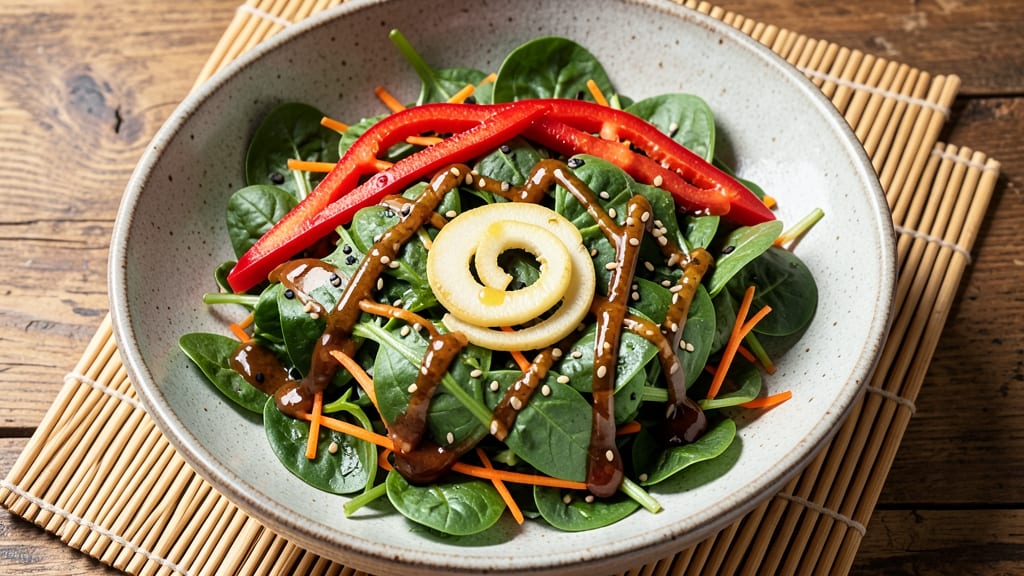
This Asian ginger salad recipe delivers a vibrant, crunchy dish packed with fresh herbs, zesty ginger, and nutty sesame—perfect for balancing any meal. 🌟 The secret lies in the dressing: a bright blend of soy sauce, rice vinegar, and fresh ginger that awakens every bite with tangy, spicy, and umami notes.
I developed this recipe after craving a salad that felt fresh yet bold, without relying on heavy creams or dressings.
The magic happens in the texture contrast—crisp cucumbers and shredded carrots meet tender edamame and creamy avocado, all bound together by a light, flavorful dressing. This salad is designed to shine as a standalone dish or complement grilled proteins, sushi, or even as a refreshing appetizer.
The key is prepping ingredients efficiently: wash, slice, and toss everything just before serving to keep the vegetables crisp.
What you’ll end up with is a visually stunning salad bursting with color and flavor—golden sesame seeds, fresh herbs, and vibrant greens all coated in that bright ginger dressing. The recipe is simple but transformative, turning basic vegetables into a restaurant-worthy side that’s both healthy and satisfying.
Ready in just 15 minutes, it’s the perfect balance of effortless and impressive.
For extra crunch, top with toasted nuts or scallions, and store any leftovers with the dressing on the side to keep everything fresh. This salad is your go-to for weeknight dinners or special occasions—where freshness meets bold Asian flavors in every bite.
Ingredients for asian ginger salad
Bright flavors and crisp textures come together in this vibrant Asian ginger salad.
| Ingredient | Amount | Notes |
|---|---|---|
| Fresh Ginger Root 🧄 | 2 tbsp | Finely grated, organic preferred |
| Extra-Virgin Olive Oil 🫒 | ¼ cup | Light, fruity variety |
| Rice Vinegar 💧 | ¼ cup | Seasoned or unseasoned |
| Low-Sodium Soy Sauce 🍶 | 2 tbsp | Kikkoman preferred |
| Sesame Oil 🫒 | 1 tbsp | Toasted, for aroma |
| Honey 🍯 | 1 tbsp | Local, raw preferred |
| English Cucumbers 🥒 | 2 whole | Seedless, peeled into ribbons |
| Carrots 🥕 | 2 whole | Orange, julienned |
| Edamame 🌱 | 1 cup | Shelled, steamed |
| Avocados 🥑 | 1 whole | Ripe, diced |
| Red Bell Pepper 🌶️ | 1 whole | Thinly sliced, seeds removed |
| Fresh Cilantro 🌿 | ¼ cup | Chopped, stems removed |
| Toasted Sesame Seeds 🥜 | 2 tbsp | Lightly toasted |
| Diamond Crystal Kosher Salt 🧂 | ½ tsp | Fine grain preferred |
| Freshly Ground Black Pepper 🌶️ | ¼ tsp | From pepper grinder |
The ginger is the heart of this salad—look for fresh, plump rhizomes with no soft spots or mold. Whole Foods or Asian markets carry the best quality, often with pre-peeled options for convenience. If using organic, the skin can be left on for extra fiber, but peeling ensures a smoother texture. Toast the sesame seeds in a dry pan for just 30 seconds until golden—they add a nutty depth that transforms the dish. For the avocados, choose ones that yield slightly to gentle pressure; they should be firm enough to handle prep but ripe enough to mash easily.
No rice vinegar? Apple cider vinegar works in a pinch, though the flavor profile shifts slightly. Substitute honey with agave nectar for a vegan option, though honey’s floral notes complement the ginger beautifully. The edamame can be swapped for steamed green beans or snow peas if unavailable, but keep them crisp. For extra crunch, add toasted peanuts or cashews—just be mindful of nut allergies. The dressing should be made fresh; pre-made versions often lack the bright, zesty punch this recipe demands.
Store the dressing separately in an airtight container for up to 5 days in the fridge, while the vegetables should be prepped and kept dry in a sealed container for 2-3 days to maintain crispness. Assemble just before serving to preserve texture. The salad reheats poorly, so it’s best enjoyed fresh. For meal prep, portion the dressing and vegetables separately, then toss together when ready to eat. The flavors meld beautifully overnight, making it ideal for lunches or light dinners.
Why You'll Love This Recipe
- I’ll be real: I always have olive oil, vinegar, and soy sauce on hand. This recipe turns those basics into something special without requiring a shopping spree. Plus, the ginger lasts forever if you store it right—so it’s like having a flavor upgrade waiting in your fridge.
- No Chopping Chaos: I swear by this recipe because the ginger gets grated—not diced, not sliced—so it melts into the dressing instantly. No peeling, no fuss, just a quick scrape with a box grater and you’re done. Honestly, it’s the kind of prep that makes me actually look forward to cooking.
- Umami Bomb: That combo of rice vinegar and low-sodium soy sauce? It’s chef’s kiss for flavor without the heaviness. The sesame oil adds this nutty depth, and the fresh ginger? It’s bright but not overpowering—like a warm hug for your taste buds. (Yes, even on a Tuesday night.)
- Lunchbox Hero: Between us, this salad keeps perfectly for three days in the fridge. I pack it for work, my kid brings it to soccer practice, and it still tastes fresh. Toss in some shredded carrots or edamame for extra protein, and you’ve got a meal that’s basically foolproof.
Step-by-step instructions for Asian ginger salad
Here's the method for a perfectly balanced salad with vibrant flavors and crisp textures.
👨🍳 Step 1: Prepare the Dressing Components
In a small bowl, whisk together the 2 tbsp finely grated fresh ginger root, 0.25 cup rice vinegar, and 2 tbsp low-sodium soy sauce until fully combined. This base creates the bright, zesty foundation of the dressing.
In a separate small bowl, combine the 0.25 cup extra-virgin olive oil, 1 tbsp honey, and 1 tbsp sesame oil. Whisk until emulsified—you should see the oils and liquids blend smoothly. This creates the rich, velvety component that balances the acidity of the vinegar.
👨🍳 Step 2: Combine and Emulsify the Dressing
Slowly pour the oil mixture into the vinegar mixture while whisking continuously. This gradual combination prevents the dressing from breaking. You're aiming for a silky, homogeneous texture that coats the back of a spoon.
Taste and adjust seasoning if needed. I usually add a pinch more diamond crystal kosher salt and 0.25 tsp freshly ground black pepper at this stage to ensure the dressing has proper depth. Set the dressing aside while you prepare the vegetables.
🥘 Step 3: Prepare the Vegetable Components
Using a vegetable peeler, create thin ribbons from the 2 whole English cucumbers. This technique creates delicate, translucent strands that add beautiful texture to the salad. Place the cucumber ribbons in a large mixing bowl.
Using a julienne peeler or sharp knife, cut the 2 whole carrots into thin strips. Add them to the bowl with the cucumbers. For the 1 whole red bell pepper, remove seeds and thinly slice the flesh. Add these to the bowl as well.
🍳 Step 4: Add Protein and Herbs
Add the 1 cup shelled edamame to the bowl. If using frozen edamame, steam them for 3-4 minutes until tender but still vibrant green. For the 1 whole avocado, cut it in half, remove the pit, and carefully dice the flesh into small, even pieces. Add these to the bowl immediately to prevent browning.
Finally, add the 0.25 cup chopped fresh cilantro and gently stir to combine all ingredients. The herbs will release their bright aroma, creating an inviting scent that signals your salad is ready for assembly.
🥘 Step 5: Assemble and Garnish
Pour the prepared dressing over the vegetable mixture and gently toss everything together. The goal is to coat the ingredients evenly without mashing or breaking the delicate textures. I use two large spoons to fold the salad gently.
Taste and adjust seasoning if needed. Sprinkle with the 2 tbsp toasted sesame seeds just before serving. These seeds add a nutty crunch and visual contrast to the vibrant colors of the salad. Serve immediately while the avocado maintains its creamy texture and the edamame stays warm.
Pro Tips For Making Asian Ginger Salad
- GRATE GINGER FRESH: Skip the jarred version—it’s dull and past its prime. Use a microplane or fine grater for fresh ginger, then let it sit for 5 minutes before mixing. This releases the oils and mellows the sharpness, so it doesn’t overpower the salad’s balance.
- DRESS SALAD LAST: Tossing greens or veggies too early makes them soggy. Keep the dressing (olive oil, rice vinegar, soy sauce, sesame oil) separate until serving. If prepping ahead, store components dry and mix just before eating—your salad will stay crisp.
- DILUTE SESAME OIL: A splash of sesame oil is great, but too much turns the salad bitter. Mix it into the dressing first, then add a teaspoon of warm water or a dash of honey to smooth it out. This keeps the flavor rich without the harsh edge.
- USE COLD OIL: Warm olive oil dulls the dressing’s brightness. Chill the bottle in the fridge for 10 minutes before measuring, or even better, keep your oils in the fridge year-round. Cold oil emulsifies better and keeps the salad’s bite sharp.
Dietary considerations for asian ginger salad
Gluten-Free Adaptations
This salad is naturally gluten-free, but always double-check your ingredients. The soy sauce is the only potential concern—opt for certified gluten-free brands like San-J Tamari or Kikkoman Gluten-Free Soy Sauce. Even regular Kikkoman is typically gluten-free, but cross-contamination can occur during processing. 🌱
Vegan-Friendly Swaps
For a vegan version, replace the honey with agave nectar or maple syrup to maintain the dressing’s sweetness. The edamame provides plenty of plant-based protein, and all other ingredients are naturally vegan.
I’ve found that avocado adds a creamy texture that vegans love, while the sesame seeds offer satisfying crunch without any animal products.
Nut-Free Considerations
Sesame seeds are the only nut-related ingredient here, but they’re not technically nuts—they’re seeds. If you’re avoiding sesame due to allergies, simply omit them or substitute with toasted pumpkin seeds or sunflower seeds for crunch.
The salad still maintains its vibrant flavors and textures without these toppings. Always check seed brands for cross-contamination warnings if allergies are a concern.
Low-Carb Options
To make this salad lower in carbs, reduce the edamame to ½ cup and skip the carrots entirely. The cucumbers, bell pepper, and avocado provide enough freshness while keeping the carb count in check.
For extra protein, add chickpeas or tofu cubes—just be sure to steam or pan-fry them first to maintain texture. This version still delivers that bright, zesty ginger flavor without the higher-carb ingredients.
Dairy-Free Naturally
This recipe is completely dairy-free, making it perfect for those avoiding lactose or casein. The creamy texture comes from avocado rather than dairy products, and all other ingredients are naturally free of milk derivatives.
Even the sesame oil and honey are dairy-free, so no substitutions are needed for a lactose-free version. The dressing’s richness comes from the oils and vinegar combination, not dairy at all.
Allergen-Friendly Tips
For soy allergies, replace the soy sauce with tamari or a coconut aminos alternative. If you’re sensitive to sulfites, choose a low-sodium soy sauce that’s certified sulfite-free. Always read labels carefully, as even seemingly safe ingredients can vary by brand.
I keep a small bottle of coconut aminos on hand specifically for soy-free cooking—it works beautifully in this dressing. 💡
Nutrition facts
Frequently asked questions
Can I make this salad ahead of time?
It's best to prepare the dressing and vegetables separately and assemble just before serving. The avocado and edamame will stay freshest when kept dry in an airtight container for 2-3 days in the fridge. Store the dressing in a separate container for up to 5 days—this keeps everything crisp and vibrant. Toss together right before eating for maximum freshness.
What can I substitute if I don't have fresh ginger?
You can use 1 teaspoon of ground ginger as a substitute, but fresh ginger adds a brighter, more complex flavor. If you only have powdered, toast it lightly in a dry pan for 30 seconds to enhance its aroma. For an even stronger kick, add a pinch of red pepper flakes to the dressing to mimic ginger's spicy depth.
How can I make this salad spicier?
Add a dash of Sriracha or gochujang to the dressing for heat. Start with ½ teaspoon and adjust to taste—these sauces also add umami depth. For a fresh kick, thinly slice a small jalapeño or serrano pepper and toss it in with the vegetables before adding the dressing.
Is this salad suitable for meal prep?
Yes, but with a few adjustments! Prep all ingredients separately and store them in airtight containers. Keep the dressing in one container, the avocado and edamame in another, and the chopped vegetables in a third. Assemble just before eating to maintain texture. This method works well for 3-4 days of fresh, restaurant-quality salads.
Can I add protein to this salad?
Grilled chicken, shrimp, or tofu cubes would pair beautifully. Cook the protein separately and add it to the salad just before serving to keep it warm. For a vegetarian option, try adding crispy chickpeas or marinated tempeh for extra protein and texture.