
Salads
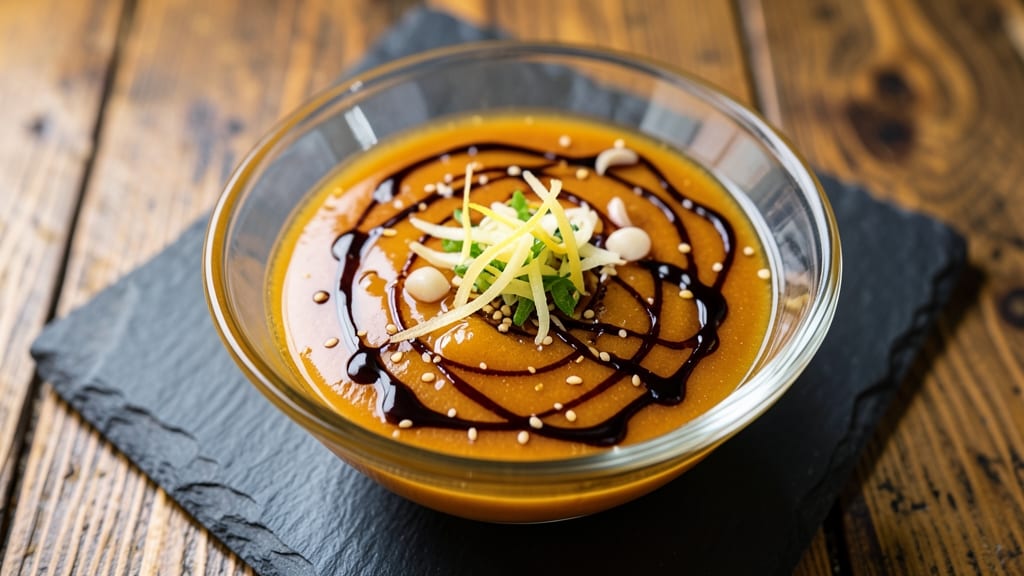
This Asian restaurant salad dressing delivers the same bold, umami-packed flavor that elevates every bite—crunchy texture included. 💛 The secret lies in balancing salty soy, bright vinegar, and aromatic sesame with a touch of honey for depth, all finished with toasted sesame seeds for that signature crunch.
I developed this after years of dissecting restaurant versions, and it's the one dressing that actually improves with time.
What makes this recipe stand out is its versatility—it works as a vibrant salad dressing, a dipping sauce for spring rolls, or even a marinade for grilled meats. The combination of rice vinegar and soy creates that signature tangy-salty profile, while fresh ginger and garlic add layers of warmth.
Toasted sesame seeds aren't just for garnish; they provide the textural contrast that makes this dressing unforgettable.
The result is a dressing that's rich yet balanced, with a smooth, velvety base and satisfying crunch in every spoonful. Unlike many bottled versions, this one develops deeper flavor when refrigerated for a few hours, making it perfect for meal prep.
The aroma alone will transform your salads from ordinary to restaurant-quality.
Use it on Asian-inspired salads, noodle bowls, or even drizzled over grilled chicken. Here's how to make it—once you try this, store-bought will never compare again.
Ingredients for asian restaurant salad dressing
Nine simple ingredients transform into a dressing that tastes like your favorite takeout spot.
| Ingredient | Amount | Notes |
|---|---|---|
| Rice Vinegar 🍶 | ½ cup | White or seasoned variety |
| Soy Sauce 🍶 | ⅓ cup | Light or dark preferred |
| Toasted Sesame Oil 🫒 | 2 tbsp | For aroma and depth |
| Honey 🍯 | 2 tbsp | Wildflower or clover |
| Fresh Ginger 🧄 | 1 tbsp | Finely grated, fresh |
| Garlic Cloves 🧄 | 2 cloves | Minced for subtle flavor |
| Toasted Sesame Seeds 🌱 | 2 tbsp | For signature crunch |
| Sesame Oil 🫒 | 1 tbsp | For toasting seeds |
| Salt 🧂 | ½ tsp | Kosher or sea salt |
| Black Pepper 🌶️ | ¼ tsp | Freshly ground preferred |
The sesame seeds are non-negotiable—they bring that signature crunch. Toast them in a dry pan with sesame oil until golden (about 2 minutes), then let cool. Trader Joe's and Asian markets have the best toasted seeds already ready to go, but toasting your own makes a world of difference. For the ginger, grab the freshest root you can find—bright yellow skin means it's ripe. If you're short on time, a small jar of pre-grated ginger works, but fresh is always better. The soy sauce should be light and salty, not thick and dark—Kikkoman is a safe bet.
No sesame oil? Avocado oil works in a pinch, though it won't have the same nutty depth. Running out of honey? Maple syrup or agave will mimic the sweetness, though the flavor won't be identical. The garlic can be roasted for a milder taste—just toss whole cloves in the oven at 400°F for 10 minutes. If you're making this ahead, skip the sesame seeds until serving so they stay crisp. The dressing thickens as it chills, so thin with a splash of water if it gets too stiff.
This dressing tastes even better the next day as the flavors meld. Store in an airtight jar in the fridge for up to 1 week. The sesame seeds will stay crunchy if you keep them separate until serving. For extra flavor development, make it a day ahead—the umami gets deeper with time. Double the batch and keep it on hand for quick meals. The aroma alone will make your kitchen smell like an Asian bistro.
Why You'll Love This Recipe
- Five-Ingredient Magic: I swear by this combo—just rice vinegar, soy sauce, sesame oil, honey, and ginger. No fancy gadgets, no measuring cups (I eyeball it), and it’s done before the kettle boils. Honestly, the only prep is grating ginger, which takes less time than scrolling through TikTok.
- Umami Bomb: That first drizzle of toasted sesame oil? Instant flavor explosion. The ginger adds a bright kick, the honey rounds it out, and the soy sauce ties it all together like a cozy blanket. It’s the kind of dressing that makes store-bought taste like sad, watery lettuce.
- Lunchbox Hero: I keep a jar in my fridge for everything—tossed salads, noodles, even grilled chicken. It’s my go-to for quick lunches or when I’m too tired to think. (Yes, even on a Tuesday night.) The honey keeps it from being too sharp, so it works on cold pasta or warm stir-fries.
- Budget Hack: This costs me pennies per serving—way cheaper than buying pre-made. A little goes a long way, and the leftovers? They last for weeks in the fridge. Between us, I’ve used this for months without buying new ingredients. That’s the kind of recipe that actually saves money.
Step-by-step instructions for Asian restaurant salad dressing
This dressing delivers that signature umami punch with a satisfying crunch you'll find in your favorite Asian restaurants.
👨🍳 Step 1: Toast the Sesame Seeds for Maximum Crunch
Heat a dry skillet over medium-low heat and add the 2 tablespoons toasted sesame seeds. Stir constantly for 2-3 minutes until they turn a deeper golden color and release their nutty aroma. You're looking for seeds that smell warm and toasty—not burned, just fragrant.
Here's the thing—I like to add 1 tablespoon sesame oil to the skillet with the seeds while toasting. This helps distribute the oil evenly and prevents the seeds from sticking. Once toasted, immediately transfer them to a small bowl and set aside. That crunch is what makes this dressing special, so don't skip this step.
🍳 Step 2: Create the Dressing Base with Vinegar and Soy
In a medium bowl, whisk together the 0.5 cup rice vinegar and 0.33 cup soy sauce until fully combined. I always use a fork for this—it creates tiny air bubbles that help emulsify the dressing later. The mixture should be smooth with no streaks of soy sauce remaining.
Next, add the 2 tablespoons honey and whisk again until completely dissolved. The honey will help balance the acidity of the vinegar and add a subtle sweetness that rounds out the flavors. Taste it now—it should be tangy, salty, and slightly sweet with no bitterness.
👨🍳 Step 3: Add Aromatics and Toasted Sesame Oil
Grate the 1 tablespoon fresh ginger using a fine grater or microplane—you want it as fine as possible so it blends smoothly. Add it to the bowl along with the 2 minced garlic cloves and whisk to combine. The raw ginger will add a bright, zesty kick that cuts through the richness.
Now for the magic ingredient: add the 2 tablespoons toasted sesame oil and whisk vigorously. This is where the dressing starts to come together—you'll see it emulsify slightly as the oil incorporates. The sesame oil carries that deep, nutty aroma that's so characteristic of Asian flavors. If you're using a whisk, give it a good 30 seconds of steady whisking to fully integrate.
🥘 Step 4: Finish with Crunch and Seasoning
Stir in the toasted sesame seeds you prepared earlier. They'll sink to the bottom, so give the bowl a good stir to distribute them evenly. Add the 0.5 teaspoon salt and 0.25 teaspoon black pepper, then taste and adjust if needed—this is your chance to balance the flavors before serving.
I like to let the dressing sit for 10 minutes before using it. This gives the flavors time to meld together and the seeds time to soak up just a little of the dressing, making each bite even more flavorful. Store any leftovers in an airtight container in the refrigerator for up to 1 week—it actually tastes better the next day as the flavors develop!
Pro Tips For Making Asian Restaurant Salad Dressing
- STRAIN THE GINGER: I learned this the hard way—grating fresh ginger straight into the dressing leaves behind fibrous bits that ruin texture. Use a microplane, then strain through a fine-mesh sieve into the bowl. No sieve? Cheesecloth works, but your hands will thank you for not picking out bits later.
- WHISK HOT, COOL FAST: Combine the rice vinegar, soy sauce, and honey first, then whisk over warm (not boiling) water for 30 seconds—just enough to thin the honey. Immediately remove from heat and add the sesame oil last. Cold oil keeps the dressing from separating later, and your kitchen won’t smell like a deep fryer.
- USE DARK SOY SAUCE: Skip the light soy unless you’re aiming for pale, watery results. Dark soy adds depth and a caramelized edge that mirrors restaurant versions. Start with 1 teaspoon—you can always add more, but you can’t take it out. Trust me, the first time you taste the difference, you’ll never go back.
- MEASURE SESAME OIL LAST: Toasted sesame oil is the flavor bomb, but it’s also the easiest to overdo. Add it after everything else is mixed, then taste. A single drop can transform the dressing—too much, and it’ll taste like a perfume counter. Start with ½ teaspoon, then adjust. Your nose knows better than your eyes here.
Make-ahead tips for this dish
Batch Prep Essentials
Make this dressing in double batches—it’s perfect for meal prep! Store the base (without sesame seeds) in a glass mason jar with an airtight lid. The seeds stay crisp when added fresh, so keep them in a small container on top of the dressing in the fridge.
I use 16-ounce jars for easy pouring, and they stack neatly in my pantry. 💛
Fridge Longevity
The dressing improves overnight as flavors meld, so prep it 1-2 days ahead for maximum depth. Keep it refrigerated in an airtight container for up to 1 week.
The sesame oil may separate slightly—just give it a quick whisk before using. If it thickens too much, add 1-2 teaspoons of water to restore consistency.
Freezer-Friendly Hack
For long-term storage, freeze the base (without seeds) in ice cube trays. Once frozen, transfer cubes to a freezer bag for up to 3 months. Thaw overnight in the fridge, then whisk with fresh sesame seeds.
This is my go-to for busy weeks—just grab a cube, thaw, and toss with your salad. 🥶
Seed Storage Tips
Toasted sesame seeds lose their crunch over time, so store them in a cool, dark place (like your pantry) in an airtight container. If they start to soften, toast them again in a dry pan for 1-2 minutes to restore crispness.
I keep a small jar of seeds on hand specifically for this dressing—it’s worth the extra step for that restaurant-quality texture.
Portion Control
Use a small squeeze bottle or shot glass to portion out individual servings. This prevents over-dressing and keeps your salads vibrant. I like to label my bottles with the date—this way, I know when to refresh the seeds.
A little goes a long way, so start with 1 tablespoon per salad and adjust to taste.
Reheating Secrets
If you’ve stored the dressing without seeds, simply whisk it gently to recombine before adding fresh toasted seeds. For extra warmth, place the jar in a bowl of hot water for 2-3 minutes—this helps restore the oil’s silky texture.
Never microwave, as it can break the emulsion and make the dressing separate. A quick stir with a fork works best. ✨
Nutrition facts
Frequently asked questions
Can I make this dressing without sesame seeds?
The sesame seeds are key for that signature crunch, but you can omit them if needed. For texture, try adding 1 tablespoon crushed peanuts or toasted pumpkin seeds instead. The flavor will still be delicious, though the texture will differ slightly. The seeds aren't just for garnish—they add a satisfying bite that balances the smooth dressing.
How spicy should this dressing be?
This recipe is mild with just black pepper, but you can easily add heat! For a kick, stir in ½ teaspoon of chili crisp or 1 teaspoon of sriracha after mixing. If you prefer subtlety, skip the extra spice entirely—the ginger and garlic already provide warmth without heat. Adjust to taste, but remember: the dressing thickens as it chills, so add spices before refrigerating.
Can I use this dressing on non-Asian salads?
This dressing works beautifully on greek salads, caesar salads, or even fruit salads (like mango and avocado). The umami depth pairs well with creamy dressings, and the crunchy seeds add contrast to leafy greens. For non-Asian dishes, reduce the soy sauce slightly (¼ cup instead of ⅓ cup) to soften the flavor profile without losing the dressing's magic.
Why does my dressing separate?
Separation happens when oil and vinegar aren't properly emulsified. Whisk vigorously for 30 seconds or use an immersion blender to combine thoroughly. For a quick fix, add 1 teaspoon of cornstarch or ½ teaspoon of xanthan gum to stabilize it. Always store in an airtight container and give it a good shake before using—this dressing is designed to be smooth, not chunky!
What's the best way to store leftovers?
Keep the dressing in an airtight jar in the fridge for up to 1 week. For longer storage, freeze the base (without seeds) in ice cube trays for up to 3 months. Thaw overnight in the fridge, then whisk with fresh toasted seeds. The seeds stay crisp when added fresh, so never freeze them with the dressing. Pro tip: Label your jar with the date to track freshness!