
Salads
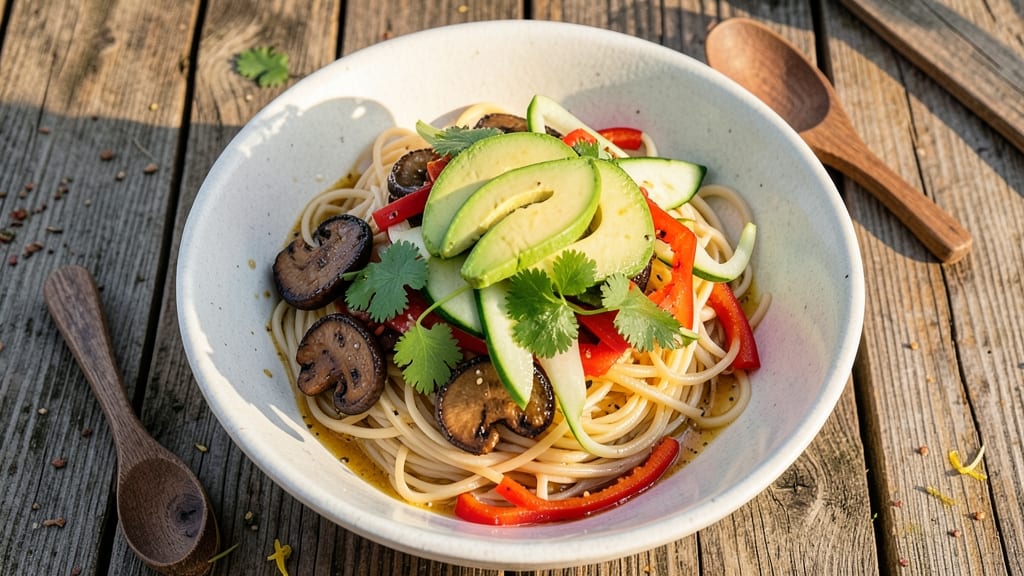
This Asian soba noodle salad recipe delivers restaurant-quality freshness in just 15 minutes, proving that healthy meals can be both quick and deeply flavorful. The secret lies in perfectly cooked soba noodles—tender yet still with bite—tossed with a bright sesame-soy dressing that balances umami, tang, and nutty depth.
I developed this recipe for busy weeknights when I needed something satisfying yet light, and it’s become a staple in my rotation.
The beauty of this dish is its adaptability—it works as a vegetarian meal with crisp mushrooms and crunchy cucumbers, or as a pescatarian delight with added shrimp. The dressing, made with just five ingredients, transforms simple ingredients into something vibrant and complex.
What makes it truly special is the texture contrast: chewy noodles, crisp vegetables, and creamy avocado all come together in every bite.
By the time you finish assembling this salad, you’ll have a dish that’s visually stunning with its mix of colors and textures, and packed with umami flavor from the dressing. The sesame seeds add a satisfying crunch, while the lime juice keeps everything fresh.
It’s the kind of meal that tastes like you spent hours in the kitchen, even though it comes together in minutes.
Perfect for meal prep or a last-minute lunch, this soba noodle salad holds up beautifully for up to two days in the fridge. Serve it chilled or at room temperature, and don’t forget to garnish with fresh herbs for that final touch of elegance. Let’s get cooking!
Ingredients for asian soba noodle salad
Fresh, vibrant ingredients that transform into a restaurant-quality salad in minutes.
| Ingredient | Amount | Notes |
|---|---|---|
| Soba Noodles 🍜 | 8 oz | 100% buckwheat or buckwheat blend, uncooked |
| Fresh Shiitake Mushrooms 🍄 | 8 oz | Sliced thin for crisp texture |
| English Cucumbers 🥒 | 1 whole | Seedless, sliced into half-moons |
| Avocados 🥑 | 1 whole | Ripe, pitted and cubed |
| Red Bell Pepper 🌶️ | 1 whole | Thinly sliced, any color |
| Fresh Cilantro 🌿 | ½ cup | Chopped, stems removed |
| Toasted Sesame Seeds 🌰 | 2 tbsp | Store-bought or toasted yourself |
| Lime 🍋 | 1 whole | Juiced, seeds strained out |
| Fresh Ginger 🧄 | 1 tbsp | Grated, finely minced |
| Sesame Oil 🫒 | 2 tbsp | Toasted sesame oil preferred |
| Tamari Sauce 🍶 | 3 tbsp | Gluten-free soy sauce alternative |
| Rice Vinegar 🍶 | 2 tbsp | Unseasoned preferred |
| Honey 🍯 | 1 tbsp | Or agave syrup for vegan option |
| Sesame Oil 🫒 | 1 tbsp | For finishing drizzle |
| Diamond Crystal Kosher Salt 🧂 | 1 tsp | For seasoning noodles |
The soba noodles are the foundation—look for 100% buckwheat or at least a buckwheat blend for that authentic nutty flavor. King Soba or Nongshim are my go-tos, but any reputable brand works. Fresh shiitake mushrooms add umami depth, and they're worth the extra cost at Whole Foods or your local Asian market. The avocados should be ripe but not mushy—press gently, they should yield slightly. For the sesame seeds, Trader Joe's sells toasted ones pre-packaged, which saves time. If you're using regular sesame seeds, toast them in a dry pan for 2-3 minutes until fragrant.
No fresh ginger? Substitute with 1/2 tsp ground ginger, but fresh is ideal for that bright zing. Tamari sauce is a must for gluten-free diets, but regular soy sauce works too. The honey adds just enough sweetness—agave or maple syrup are perfect vegan swaps. If you're short on time, pre-sliced cucumbers or bagged salad mix can save chopping. The red bell pepper adds color and crunch, but any color works. For extra protein, toss in edamame or tofu cubes—just make sure to cook them first. The dressing comes together in seconds, but taste as you go—you might want more lime or a touch more tamari for saltiness.
This salad keeps beautifully for 2 days in the fridge, but the avocado will brown faster. Store components separately—noodles, veggies, dressing—and assemble just before serving. For meal prep, slice the veggies and store them in an airtight container with a paper towel to absorb moisture. The dressing can be made ahead and stored in a small jar. If you're worried about soggy noodles, cook them al dente and rinse with cold water before assembling. Garnish with extra sesame seeds and cilantro right before eating—that final touch makes all the difference.
Why You'll Love This Recipe
- No-Cook Prep Magic: I swear by the lazy days this saves me—just toss the shiitakes in boiling water for 3 minutes, slice the cucumbers and bell pepper while they soften, and boom. The noodles cook in 4 minutes flat, so you’re staring at a bowl in under 15. No chopping marathons, no waiting forever—just fresh, vibrant bites.
- Umami Bomb Combo: That earthy shiitake meets the buttery avocado like they’re old friends, and the red bell pepper adds this bright, almost citrusy pop. Honestly, the first time I mixed them, I nearly inhaled the whole bowl. The dressing ties it all together—salty, tangy, and just sweet enough to make it ridiculously good.
- Lunchbox Hero: Between us, this is my go-to for packed lunches or potlucks. The soba holds up perfectly for 3 days in the fridge, and the avocado stays creamy if you toss it in last minute. Bring it to work, a picnic, or a friend’s BBQ—it’s always a crowd-pleaser, even if I’m the only one who knows how easy it was to make.
- Budget Meal Hack: Soba noodles are cheaper than takeout, shiitakes last longer than you’d think, and a single avocado stretches across two servings. I’ll be real: I’ve made this with whatever veggies were on sale, and it’s never let me down. Filling, fresh, and way cheaper than delivery—my wallet thanks me every time.
Step-by-step instructions for Asian-inspired soba noodle salad
This vibrant salad comes together faster than you can say "umami bomb"—crisp, fresh, and packed with bold flavors.
Cook and Cool the Soba Noodles
Bring a pot of water to a rolling boil and add the 8 oz soba noodles. Cook according to package instructions—usually about 5-6 minutes—until al dente. The noodles should be tender but still hold some bite. Drain immediately and rinse under cold water to stop the cooking process and prevent sticking.
Transfer the noodles to a large mixing bowl and toss with 1 tsp diamond crystal kosher salt. This step is crucial for seasoning the noodles while they're still warm, allowing the salt to penetrate evenly. Let the noodles cool completely before adding other ingredients—this prevents them from turning mushy when mixed with cold vegetables later.
Prep and Sauté the Shiitake Mushrooms
Slice the 8 oz fresh shiitake mushrooms thinly—this ensures they cook quickly and maintain their crisp texture. Heat 1 tbsp sesame oil in a skillet over medium-high heat until shimmering. Add the mushrooms and cook for 3-4 minutes until they're golden brown and tender.
Remove the mushrooms from the pan and let them cool slightly. Here's the thing—if you skip this cooling step, the heat from the mushrooms will soften the cucumbers and avocado when you mix everything together. Trust me, the texture difference is noticeable. Transfer the cooled mushrooms to the bowl with the noodles.
Assemble the Fresh Vegetables and Herbs
Slice the 1 whole english cucumber into half-moons and the 1 whole red bell pepper into thin strips. Cube the 1 whole avocados and chop the 0.5 cup fresh cilantro. Add these to the bowl with the noodles and mushrooms. Gently toss everything together—you want to combine without bruising the delicate vegetables.
Here's where it gets fun: the contrast of textures is what makes this salad special. The crisp cucumber and pepper, tender mushrooms, and creamy avocado all play their part. I like to keep the avocado separate until just before serving to prevent browning, but if you're making this ahead, toss it in last minute.
Whisk the Dressing Components
In a small bowl, whisk together the 3 tbsp tamari sauce, 2 tbsp rice vinegar, 1 tbsp honey, and 1 tbsp fresh ginger. The ginger should be finely grated—think about the texture of wet sand, not chunks. Add 1 tbsp lime juice (strain out any seeds) and 1 tbsp sesame oil. Taste and adjust—you might want to add a pinch more salt or a touch of honey for balance.
This dressing is the heart of the dish. The tamari provides umami depth, the vinegar adds brightness, and the honey rounds out the acidity. The sesame oil gives that signature nutty aroma that ties everything together. If you're using agave instead of honey, note that it's more liquid, so you might need to reduce it slightly to achieve the same consistency.
Combine and Finish with Toasted Sesame Seeds
Pour the dressing over the noodle and vegetable mixture, tossing gently to coat everything evenly. The noodles should be glossy but not soggy—if they are, add a splash more lime juice or rice vinegar to balance the moisture. Let the salad sit for 5 minutes to allow all the flavors to meld together.
Just before serving, sprinkle the 2 tbsp toasted sesame seeds over the top. These add a satisfying crunch and visual appeal. Serve immediately while the avocado is still vibrant and the noodles maintain their perfect texture. This salad keeps well in the fridge for up to 2 days, but the avocado will darken—just toss in fresh avocado before serving to restore that creamy green color.
Pro Tips For Making Asian Soba Noodle Salad
- Boil Soba Just Once: Dump uncooked soba into boiling water and pull it when it’s still slightly firm—about 2 minutes for buckwheat soba, 3 for 100% wheat. Overcooking turns them mushy, and nobody wants sad noodles in a salad. Rinse immediately in cold water to stop cooking and remove excess starch, which keeps the dressing from clinging.
- Slice Mushrooms Thin: Shiitake should be sliced paper-thin—less than 1/8-inch—so they soften quickly in the dressing without turning to mush. Use a sharp knife and cut against the grain for even texture. (Yes, it takes a few extra swipes, but trust me.)
- Prep Avocado Last: Avocado bruises fast, so slice and toss it in right before serving—no exceptions. If you’re prepping ahead, keep it whole and pit it early, but don’t cut it until the last 5 minutes. The salad will still taste fresh, but the avocado won’t turn to brown sludge.
- Toast the Dressing: Warm your dressing ingredients (sesame oil, soy sauce, rice vinegar) together for 30 seconds in a small pan—just until fragrant. Cold dressing clings weakly, but a toasted one coats the noodles and mushrooms like a second skin. (No, you won’t burn it if you use medium heat.)
Perfect pairings for this recipe
Crispy Protein Additions
For a heartier salad, add 6 oz cooked shrimp tossed with 1 tsp toasted sesame oil and a pinch of salt. Sear them for 2-3 minutes per side until pink and crispy—this adds a luxurious touch that balances the salad’s freshness. 🍤
Warm Toasted Garnishes
Toast 1 tbsp black sesame seeds in a dry pan for 1-2 minutes until fragrant, then sprinkle over the salad. For extra warmth, add thinly sliced scallions sautéed in ½ tbsp sesame oil for 30 seconds. These finishing touches elevate the dish from simple to restaurant-worthy.
Beverage Pairings
A sparkling jasmine green tea (like Otsu Premium) complements the salad’s delicate flavors without overpowering. For beer lovers, a light Japanese lager (such as Asahi Super Dry) enhances the umami notes. Avoid heavy or overly sweet drinks—they’ll clash with the bright, fresh profile. 🍶
Side Dish Harmony
Serve this salad alongside steamed edamame (tossed with ½ tsp sea salt) for a protein-packed duo. For a complete meal, pair it with miso-glazed tofu or grilled fish—both add depth without competing with the salad’s vibrant flavors.
Dessert Contrast
Balance the meal with a light, citrusy dessert like yuzu sorbet or matcha mochi. The tartness of yuzu cleanses the palate, while matcha’s earthiness echoes the salad’s umami. Avoid heavy desserts—they’ll leave you feeling weighed down after such a fresh starter.
Nutrition facts
Frequently asked questions
Can I use regular wheat noodles instead of soba?
While you can substitute regular wheat noodles, you'll miss the authentic nutty flavor and chewy texture that buckwheat soba provides. For a closer match, try using 100% buckwheat soba noodles—they're naturally gluten-free and pack more umami. If you must use wheat, look for brown rice or whole wheat noodles for better texture, but the flavor profile won't be identical.
How do I prevent the avocado from turning brown?
Add the avocado cubes just before serving to keep them vibrant. If prepping ahead, toss the avocado with 1 tsp lime juice and store it separately in an airtight container with a paper towel to absorb moisture. For extra protection, sprinkle with ½ tsp salt—it helps slow oxidation. The salad will still taste great, but the color contrast will be more striking when fresh.
What's the best way to make this salad gluten-free?
Use 100% buckwheat soba noodles (ensure they're certified gluten-free) and swap tamari for regular soy sauce if needed. Check your sesame seeds and sesame oil for gluten-free labeling, as some brands process them in shared facilities. For extra safety, use a dedicated colander to rinse the noodles to avoid cross-contamination from gluten particles.
Can I make this salad ahead of time?
Store the cooked noodles, vegetables, and dressing separately in airtight containers for up to 2 days. Keep the avocado separate until serving. When ready to eat, toss everything together and add fresh avocado. The flavors actually develop better overnight, but the texture stays crispest when assembled fresh. Pro tip: Store the dressing in a small jar to prevent it from absorbing other odors.
How can I make this salad spicier?
Add ½ tsp red pepper flakes to the dressing or sprinkle with 1 tbsp chopped Thai chili (seeds removed) before serving. For heat lovers, mix in 1 tsp gochujang (Korean chili paste) with the sesame oil. Start with small amounts—you can always add more, but you can't take it out! The lime juice in the dressing helps balance the spice beautifully.