
Salads
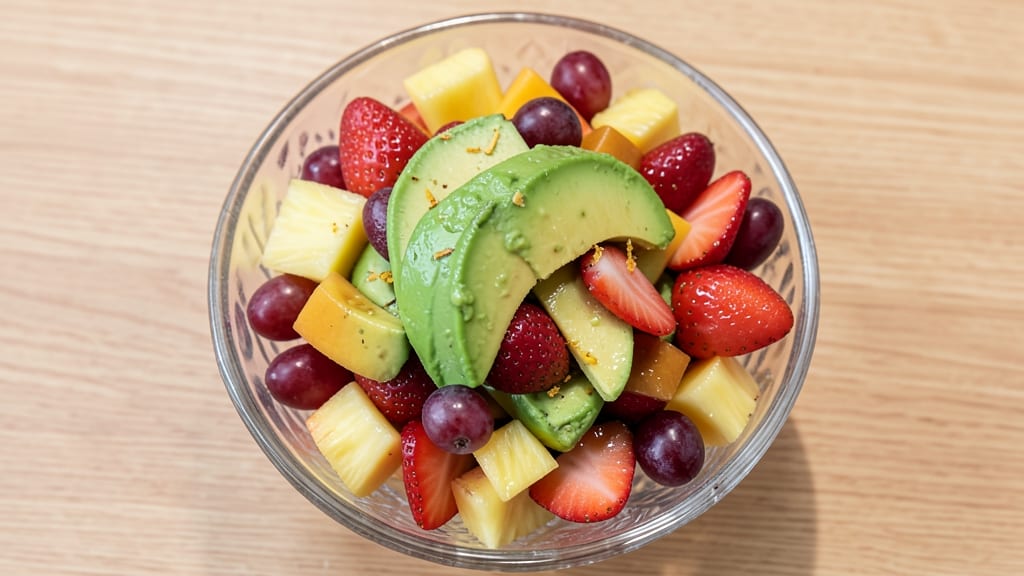
This awesome fruit salad recipe transforms simple ingredients into a vibrant, vegan-friendly masterpiece that’s ready in 15 minutes. The secret lies in balancing sweet, tart, and tropical flavors—think juicy pineapple, tangy berries, and creamy avocado—all tossed together for a refreshing bite.
Perfect for summer picnics or healthy snacking, this dish proves fruit salads can be exciting without added sugars or dairy.
What makes this recipe stand out is its versatility—use seasonal fruits like mango, kiwi, and strawberries, or swap in apples and pears when tropical options aren’t available. A light citrus dressing (optional) adds brightness, while a sprinkle of toasted coconut or chia seeds gives it texture.
The result? A salad that’s as nutritious as it is delicious, with every bite bursting with freshness.
This fruit salad is foolproof—no cooking required, just chop, mix, and serve. It’s ideal for meal prep, office lunches, or a quick dessert alternative. The colors alone make it visually appealing, while the flavors satisfy any sweet or savory craving.
Whether you’re hosting a gathering or simply craving something light, this recipe delivers restaurant-quality results at home.
Store leftovers in an airtight container for up to 3 days, though the dressing may cause softer fruits to release moisture. For extra flair, garnish with fresh mint or edible flowers before serving. Let’s get started!
Ingredients for awesome fruit salad
Bright tropical flavors meet creamy textures in this vibrant, vegan-friendly fruit salad masterpiece.
| Ingredient | Amount | Notes |
|---|---|---|
| Fresh Pineapple 🍍 | 1 ½ cups | Diced, juicy variety preferred |
| Fresh Mango 🥭 | 1 cup | Diced, ripe but firm |
| Fresh Strawberries 🍓 | 1 cup | Hulled, sliced into wedges |
| Fresh Blueberries 🫐 | ½ cup | Whole, for popping texture |
| Ripe Avocado 🥑 | 1 whole | Pitted, cubed for creaminess |
| Red Seedless Grapes 🍇 | ½ cup | Halved, for juicy bite |
| Fresh Kiwi 🥝 | 2 whole | Peeled, sliced for tangy kick |
| Lime Juice 🍋 | 2 tbsp | Freshly squeezed for brightness |
| Toasted Coconut Flakes 🥥 | 2 tbsp | Unsweetened for crunchy texture |
| Chia Seeds 🌱 | 1 tbsp | For omega-3 boost |
| Fresh Mint Leaves 🌿 | ¼ cup | Chopped for aromatic garnish |
| Maple Syrup 🍁 | 1 tbsp | Pure grade B for subtle sweetness |
| Extra-Virgin Olive Oil 🫒 | 1 tbsp | Light drizzle for dressing |
The star ingredients here are the pineapple and mango—seek out ripe but firm varieties at specialty stores like Whole Foods or Trader Joe's for optimal sweetness without mushiness. Avocados should yield slightly when pressed but not be overly soft; Hass is the most reliable variety. For berries, organic blueberries from the produce section (not frozen) hold their shape best. Kiwi is a game-changer for that tangy brightness—look for firm, golden-fleshed ones. The lime juice is non-negotiable for that signature zing, so grab fresh limes rather than bottled juice.
No pineapple? Papaya or peaches work beautifully for that juicy texture. Swap mango for papaya or cantaloupe if needed. Strawberries can be replaced with raspberries or blackberries for a deeper flavor profile. Avocado is the only ingredient that can be tricky—if it's too ripe, use mashed banana for creaminess instead. The dressing components are flexible: agave nectar can replace maple syrup, and orange juice works if lime isn't available. For the coconut flakes, toasted almonds or pumpkin seeds add a different but equally delightful crunch.
This salad stays fresh for up to 3 days when stored in an airtight container, though softer fruits like avocado and berries may release moisture. Portion into individual containers for easy grab-and-go lunches. For extra flair, garnish with edible flowers or a sprinkle of toasted sesame seeds before serving. The dressing components can be prepped ahead and stored separately—just toss everything together right before serving to maintain that restaurant-fresh texture.
Why You'll Love This Recipe
- No-Cook Magic: I swear by this—just chop, toss, and serve. The pineapple and mango do all the work with their natural sweetness, while the avocado adds that creamy texture without a single pot on the stove.
- Tropical Flavor Bomb: That mix of juicy pineapple, buttery avocado, and tart blueberries? It’s like a vacation in your mouth. The strawberries tie it all together with just the right balance—no added sugar needed.
- Party-Ready Anywhere: Bring it to a picnic, toss it in lunchboxes, or serve it at a BBQ—it’s always a hit. Honestly, I’ve had people ask for the recipe after one bite, and it’s never been a flop.
- Leftovers? More Like Zero Wastage: This salad keeps beautifully for days, and the avocado only gets creamier over time. Plus, if you’re smart, you’ll buy seasonal fruit—meaning it’s cheaper than takeout and way healthier.
Step-by-step instructions for tropical fruit salad
Here's how to assemble this vibrant, texturally complex fruit salad with perfect balance.
Prepare and Combine the Base Fruits
Start by dicing the 1.5 cups fresh pineapple into ½-inch cubes—smaller pieces prevent a watery salad. Transfer to a large mixing bowl. Add the 1 cup fresh mango (cubed) and 1 cup fresh strawberries (sliced into wedges), distributing them evenly. The pineapple's acidity will help preserve the avocado's color while adding brightness to the mix.
Next, gently fold in the 0.5 cup fresh blueberries and 0.5 cup red seedless grapes (halved). Avoid crushing the grapes—their juicy bite should remain intact. Sprinkle the 2 tbsp lime juice over the mixture and toss lightly with a silicone spatula. The lime prevents browning in the avocado while balancing the sweetness of the tropical fruits.
Add Creamy and Tangy Elements
Pit and cube the 1 whole ripe avocado, then fold it into the fruit mixture. Work quickly to prevent oxidation—this is where the lime juice comes into play. Add the 2 whole fresh kiwi (peeled and sliced), which brings a bright, tangy contrast to the creamy avocado and sweet mango.
Sprinkle the 0.25 cup chopped fresh mint leaves and 1 tbsp chia seeds over the salad. The mint adds an aromatic freshness, while the chia seeds contribute a subtle crunch and omega-3 boost. Gently toss everything together, ensuring the chia seeds are evenly distributed. This step is critical for balancing textures—each bite should offer both softness and crunch.
Dress and Garnish for Perfect Finish
In a small bowl, whisk together the 1 tbsp maple syrup, 1 tbsp extra-virgin olive oil, and a pinch of salt. Drizzle this dressing evenly over the fruit salad and toss gently to coat. The maple syrup enhances the natural sweetness of the fruits, while the olive oil adds a silky finish. Taste and adjust the balance—you want the sweetness to complement, not overpower, the tartness of the lime and kiwi.
Finally, sprinkle the 2 tbsp toasted coconut flakes over the top and serve immediately. The coconut adds a warm, toasty contrast to the cool, fresh fruit. For best results, serve within 30 minutes to preserve the crispness of the grapes and the vibrant color of the avocado. This salad is best enjoyed chilled, so refrigerate for 15 minutes before serving if needed.
Pro Tips For Making Awesome Fruit Salad
- CUT AVOCADO LAST: I learned this the hard way—avocado turns brown the second you slice it, and no one wants mushy gray fruit in their salad. Toss the other fruit together first, then add avocado pieces right before serving. If you’re prepping ahead, keep it separate and squeeze lemon juice over it to buy yourself 10 minutes.
- DRY THE PINEAPPLE: Fresh pineapple is juicy, and that juice makes your salad soggy fast. Pat the chunks dry with paper towels before adding them—especially if you’re using pre-cut pieces from the store. A quick shake in a colander works too, and it’s worth the extra 30 seconds.
- SKIP THE STRAWBERRY TOPPING: Whole strawberries on top look pretty, but they’ll stay hard and underripe while the rest of the salad softens. Instead, hull and slice them into small pieces so they blend in and get evenly coated in dressing (if you’re using one). No one wants a crunchy surprise.
- CHILL THE MANGO: Ripe mango is tender, and room-temperature fruit can make the salad taste dull. Pop the peeled and diced mango in the fridge for 15–20 minutes before mixing—it sharpens the flavor and keeps the texture firm. Trust me, it makes a real difference.
Troubleshooting your awesome fruit salad
Preventing Mushy Texture
Fruit salads often turn mushy when softer fruits like avocado or berries release excess moisture. To avoid this, pat all fruits dry with a paper towel before adding them to the bowl.
I also recommend adding grapes and berries last—their juices release more quickly. For avocado, work with it quickly and sprinkle lime juice immediately to slow oxidation. 🥑
Balancing Sweet and Tart
The key to a well-balanced fruit salad is harmony between sweet and tart flavors. If your mix feels too sweet, add 1 extra tbsp lime juice or a pinch of salt to brighten it.
For extra tartness, swap ½ cup of mango for green apple or add 1 tsp lemon zest. Remember, the dressing can be adjusted last—taste as you go!
Handling Overripe Fruits
If your avocado or banana is overripe, don’t toss it! For avocado, mash it first before folding into the salad to prevent a watery texture. For banana, peel and freeze it for 10 minutes to firm up before slicing.
Overripe mango can be blended into a smoothie instead of cubed—it adds natural sweetness to the dressing.
Dressing Gone Wrong
If your dressing seems too heavy or cloying, it’s likely because the fruits absorbed too much liquid. To fix this, drain any excess juice by placing the salad in a colander for 5 minutes before adding the dressing.
For a lighter touch, reduce the maple syrup to ½ tbsp and increase lime juice to 3 tbsp for extra zing.
Storage Issues
Fruit salads stored overnight often develop a watery texture due to released juices. To prevent this, store components separately in airtight containers and assemble only before serving. If moisture is already an issue, drain the salad and pat dry again before adding fresh dressing.
For longer storage, skip the dressing entirely until ready to eat.
Color Fading Fast
Bright colors fade when exposed to air or light. To preserve vibrancy, store the salad in a dark, airtight container and add lime juice before sealing.
For extra protection, cover with plastic wrap pressed directly onto the surface. If colors dull after storage, toss with fresh mint leaves to revive the presentation.
Nutrition facts
Frequently asked questions
Can I make this fruit salad without avocado?
Swap the avocado for ½ cup cubed pear or ½ cup diced peaches for creaminess, or add ½ cup cooked quinoa for texture. The key is balancing textures—if using softer fruits, add 1 tbsp chia seeds for crunch.
How do I keep the grapes from turning the salad watery?
Add grapes last and pat them dry with a paper towel before mixing. For extra insurance, chill the salad for 15 minutes before serving—cold temperatures slow juice release. If moisture is an issue, drain the salad in a colander for 5 minutes before plating.
Is this recipe kid-friendly?
Yes, but with a few tweaks! Skip the chia seeds (they can be a choking hazard) and reduce lime juice to 1 tbsp to soften the tartness. Kids love the sweet tropical flavors—try serving it with a scoop of coconut yogurt for extra appeal.
Can I prep this salad ahead of time?
Store components separately in airtight containers for up to 3 days. Keep dressing ingredients separate until ready to serve to prevent soggy fruit. Assemble only before eating for the freshest texture. For overnight prep, skip the avocado until serving day.
What's the best way to serve this fruit salad?
Garnish with fresh mint leaves and toasted coconut flakes for visual appeal. Serve chilled in individual bowls with a drizzle of dressing on the side. It pairs beautifully with grilled chicken or as a refreshing dessert with vanilla coconut ice cream.