
Salads
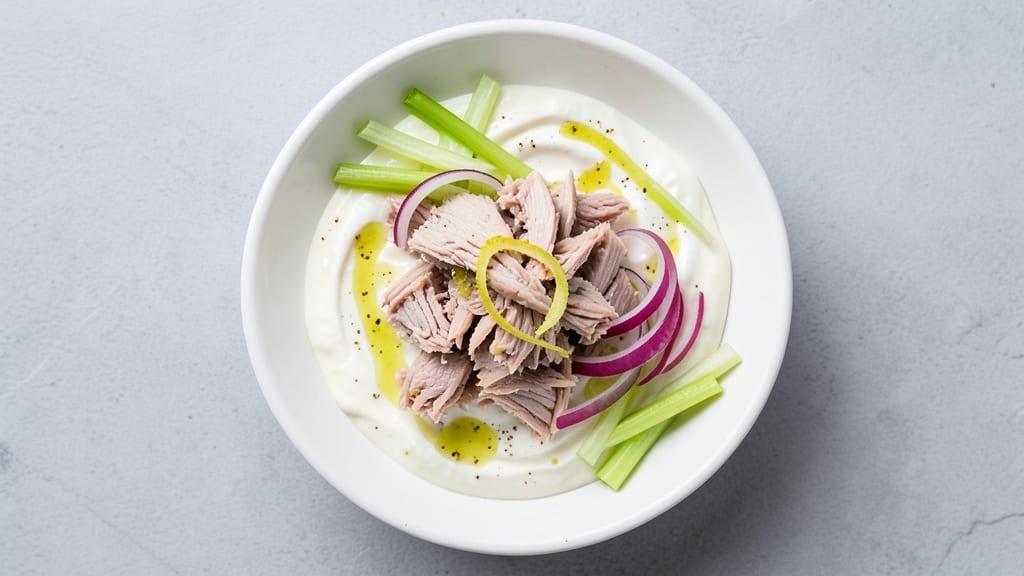
This bariatric tuna salad recipe delivers high-protein, low-calorie bites perfect for post-surgery nutrition while keeping flavor intact. The secret lies in swapping mayo for Greek yogurt—rich in protein but light on fat—while packing in lean tuna, celery, and lemon for bright, satisfying texture.
Every ingredient serves a purpose: supporting digestion, minimizing bloating, and delivering 20g protein per ¼-cup serving—ideal for meal prep or light lunches.
What sets this apart is the bariatric-friendly approach: no heavy creaminess, no hidden calories, just clean protein with crisp celery and zesty lemon to keep it interesting. The recipe scales effortlessly—double the batch for portion-controlled snacks all week—while staying under 100 calories per serving.
No special tools required; just a fork, bowl, and 10 minutes of prep time.
By the time you’re done, you’ll have a fresh, fluffy tuna salad that’s gentle on digestion but bold in flavor—perfect for lettuce wraps, cucumber slices, or even as a topping for roasted veggies.
The Greek yogurt base ensures creamy texture without the guilt, while the lemon keeps it bright and easy to digest. This isn’t just another salad; it’s a nutritional powerhouse designed for bariatric needs.
Serve ¼ cup per portion to stay on track with protein goals, or adjust to taste. The recipe keeps well in the fridge for 3–4 days, making it ideal for busy schedules. Ready to elevate your post-surgery meals? Let’s build this lightweight, protein-packed masterpiece.
Ingredients for bariatric tuna salad
Greek yogurt replaces mayo for protein-rich creaminess while keeping calories in check.
| Ingredient | Amount | Notes |
|---|---|---|
| Plain Non-Fat Greek Yogurt 🥛 | ½ cup | High-protein, unsweetened variety |
| Canned Tuna in Water 🐟 | 1 can | 5 oz, drained well |
| Fresh Celery Stems 🧅 | ½ cup | Finely diced, crisp |
| Red Onion 🧅 | ¼ cup | Finely diced, mild |
| Fresh Lemon Juice 🍋 | 1 tbsp | Freshly squeezed |
| Extra-Virgin Olive Oil 🫒 | ½ tsp | For moisture, not calories |
| Dijon Mustard 🌶️ | ½ tsp | For subtle tang |
| Fresh Dill 🌿 | 1 tbsp | Chopped, for brightness |
| Diamond Crystal Kosher Salt 🧂 | ¼ tsp | Adjust to taste |
| Freshly Ground Black Pepper 🌶️ | ⅛ tsp | For subtle heat |
| Iceberg Lettuce Leaves 🥬 | 4 whole | For serving, optional |
| Cucumber Slices 🥒 | ½ cup | For serving, optional |
The Greek yogurt is non-negotiable—opt for non-fat, plain varieties like Fage or Siggi’s to maximize protein without added sugars or fats. Fresh dill elevates flavor without bulk; grab it from the refrigerated section at Whole Foods or Trader Joe’s for the brightest leaves. Celery and red onion should be crisp and firm, not wilted or limp. For the tuna, wild-caught brands like Wild Planet or Vital Choice deliver cleaner profiles. The lemon juice must be freshly squeezed—bottled versions lack the acidity needed for digestion support.
No Greek yogurt? Non-fat cottage cheese blended smooth works in a pinch, though texture differs slightly. Substitute light mayonnaise for creaminess, but expect a higher calorie count per serving. Swap celery for jicama if preferred—it’s lower in calories and adds crunch. For extra protein, fold in 1/4 cup cooked quinoa (cooled). The Dijon mustard can be omitted if you dislike tang, but it balances the richness of the yogurt. Always drain tuna thoroughly to avoid excess moisture in the salad.
Store the salad in an airtight container with parchment paper between layers to prevent sogginess. Keeps fresh for 3–4 days in the fridge—perfect for portion-controlled meal prep. For best texture, assemble just before serving. The lettuce and cucumber should be added fresh to maintain crispness. Freezing isn’t recommended due to texture changes, but you can freeze the base mixture (without veggies) for up to 1 month—thaw and mix with fresh ingredients upon serving.
Why You'll Love This Recipe
- Five-Ingredient Magic: I swear by this combo—no mayo, no fuss. Just open a can, chop a handful of celery and onion, and mix it all with Greek yogurt and lemon. Honestly, it’s the kind of recipe where you feel like you’ve cooked something special without actually breaking a sweat.
- Bright & Tangy: That lemon juice? It’s the MVP here. It cuts through the richness of the tuna and yogurt, giving it this fresh, almost Mediterranean vibe. I’ll be real: it’s way more exciting than the dry, sad tuna salad I used to make.
- Lunchbox Hero: Between us, this is my go-to for work lunches or school packed meals. The celery adds crunch, the onion brings a little bite, and the yogurt keeps it light—no soggy sandwiches here. (Yes, even on a Tuesday night.)
- Budget Meal Prep: A can of tuna, a tub of yogurt, and a few veggies from the crisper? This is the ultimate cheap eats. Plus, it keeps for days in the fridge, so I can make a big batch and not stress about leftovers going bad.
Step-by-step instructions for lightweight protein-packed tuna salad
This method delivers a perfectly balanced, bariatric-friendly tuna salad with optimal texture and flavor.
Prepare the Base Ingredients
In a medium bowl, combine the 0.5 cup plain non-fat Greek yogurt, 0.5 tsp Dijon mustard, and 0.5 tsp extra-virgin olive oil. This yogurt base replaces traditional mayo while maintaining creaminess and protein content. Use a silicone spatula to mix until smooth and fully integrated—this ensures even distribution of moisture throughout the salad.
Add the 1 tbsp fresh lemon juice and mix again. The acidity brightens the flavors and helps balance the richness of the yogurt. I find this step crucial for preventing any potential bitterness from the tuna, which can sometimes develop when using water-packed varieties. Let the mixture sit for 2-3 minutes while you prepare the remaining ingredients—this allows the flavors to begin melding.
Incorporate the Vegetable Components
Finely dice the 0.5 cup fresh celery stems and 0.25 cup red onion using a sharp chef's knife. For the celery, cut into small, even pieces—about ⅛-inch cubes—so they distribute evenly without becoming overwhelming. The red onion should be similarly fine, as larger pieces can dominate the texture. Transfer these to your mixing bowl.
Add the 1 tbsp chopped fresh dill and 0.25 tsp Diamond Crystal kosher salt to the bowl. The dill adds a bright, herbal note that complements the tuna beautifully, while the salt enhances all the flavors. Give everything a gentle fold with your spatula to combine, being careful not to overmix at this stage. You want to preserve the crisp texture of the vegetables.
Add and Mix the Tuna
Open the 1 can canned tuna in water and drain it thoroughly over a fine-mesh strainer, pressing gently on the tuna to remove all excess liquid. This step is critical—any remaining water will dilute your salad and create a mushy texture. Transfer the drained tuna to your mixing bowl and use the spatula to break it into small, even flakes.
Gently fold the tuna into the yogurt mixture, working from the center outward to distribute it evenly. Be careful not to overmix—just until the tuna is fully incorporated. The salad should have a light, fluffy consistency with visible flecks of tuna throughout. Taste and adjust seasoning with the 0.125 tsp freshly ground black pepper if needed. The pepper adds subtle heat that balances the richness of the yogurt.
Assemble and Serve
Ladle the tuna salad onto the 4 whole iceberg lettuce leaves, dividing it evenly for serving. The crisp lettuce provides a perfect vehicle for the salad while adding minimal calories. For an extra touch of freshness, arrange the 0.5 cup cucumber slices around the lettuce leaves or on top of the salad.
This assembly method keeps the salad lightweight yet satisfying, with each bite delivering protein from the tuna and yogurt, fiber from the vegetables, and a refreshing crunch from the lettuce and cucumber. Serve immediately to enjoy the optimal texture and flavor combination. The salad holds well in the refrigerator for 2-3 hours if needed, though the lettuce may soften slightly over time.
Pro Tips For Making Bariatric Tuna Salad
- Drain and Pat the Tuna: Skip the "rinse in cold water" step—it dilutes the flavor. Instead, drain the tuna in a fine-mesh strainer for 30 seconds, then press it dry with a paper towel. The extra moisture in the yogurt will cling to the tuna otherwise, making your salad soggy later.
- Soak the Onion for 10 Minutes: Red onion’s bite can overpower the delicate yogurt base. Thinly slice it and toss with cold water for 10 minutes before draining. This softens the sharpness without cooking it—just enough to let the lemon and celery shine.
- Use a Fork to Mash Celery: Chopping celery fine is tedious, but rough chunks ruin texture. Instead, pulse it in a food processor for 2 seconds, then mash the pieces with a fork until just broken down. This keeps it fibrous but prevents the salad from turning mushy.
- Mix Yogurt Last, Then Fold: Combine everything except the yogurt first—this keeps the tuna and veggies from releasing too much liquid. Then, gently fold in the yogurt with a rubber spatula in wide, slow strokes. Less stirring = creamier texture.
Health benefits of this recipe
Protein Powerhouse
This tuna salad packs a whopping 20g protein per ¼-cup serving, making it perfect for bariatric diets where protein is essential for satiety and recovery.
The Greek yogurt base delivers an extra 10g protein per ½ cup, while the lean tuna provides 25g protein—all without the heavy calories of traditional mayo. This protein-to-calorie ratio is ideal for post-surgery nutrition, helping you stay full longer with minimal volume. 💪
Digestive-Friendly Design
The ingredients are carefully chosen to support digestion after bariatric surgery. Celery and red onion provide fiber for gentle digestion, while lemon juice aids in breaking down proteins. The low-fat Greek yogurt is easier to digest than heavy cream-based dressings, reducing bloating.
I've found this combination particularly helpful for avoiding post-meal discomfort—something many bariatric patients struggle with.
Low-Calorie Nutrition
Each ¼-cup serving contains just under 100 calories, making it perfect for portion-controlled meals. The extra-virgin olive oil adds healthy fats in just 5 calories per ½ teaspoon, while the Dijon mustard provides flavor without calories.
This balance ensures you get essential nutrients without exceeding your daily caloric goals. For reference, a typical mayo-based tuna salad serving can exceed 250 calories—this version is a fraction of that.
Gut-Friendly Ingredients
The fresh dill and lemon not only enhance flavor but also contain digestive enzymes that aid in nutrient absorption. The iceberg lettuce adds volume with minimal calories and provides vitamin K, which supports bone health—a common concern after weight loss surgery.
I always recommend serving this salad with fresh veggies to maximize these benefits while keeping portions light.
Post-Surgery Benefits
This recipe avoids common bariatric triggers like heavy cream, excess salt, or fatty dressings that can cause dumping syndrome. The high-protein, low-fat combination helps stabilize blood sugar levels, preventing energy crashes.
Many patients report better tolerance for this salad compared to traditional versions, making it a go-to for lunch or light dinners. The small portion sizes also align perfectly with bariatric meal planning guidelines.
Meal Prep Advantages
The salad's ingredients store well, making it perfect for 3-4 days of portion-controlled meals. The Greek yogurt base prevents sogginess better than mayo, and the lemon juice acts as a natural preservative.
I recommend prepping the base (without veggies) and adding fresh celery and dill when serving to maintain crispness. This approach saves time while keeping nutrition intact—ideal for busy bariatric patients. ✨
Nutrition facts
Frequently asked questions
Can I use this tuna salad recipe if I'm on a strict low-carb diet?
This recipe naturally fits low-carb needs with only 3g net carbs per ¼-cup serving. The Greek yogurt base and tuna provide pure protein, while celery and red onion add minimal carbs. Just avoid serving with bread or starchy sides like potatoes. The lemon and olive oil keep it flavorful without adding carbs.
How do I prevent the tuna salad from getting watery?
Thoroughly drain the tuna and press it gently in a strainer to remove all excess water. Use non-fat Greek yogurt instead of mayo, as it absorbs moisture better. For extra insurance, let the salad sit for 10 minutes before serving—this helps the ingredients meld and reduces wateriness. If needed, add 1 tsp extra dill to absorb any remaining moisture.
What are the best portion sizes for bariatric patients?
Serve ¼ cup per portion to stay within bariatric guidelines while getting 20g protein. For a light lunch, pair it with 1-2 lettuce leaves and ¼ cup cucumber slices. This keeps total calories under 120 while maximizing protein. If you need more volume, add 1 tbsp extra celery—it adds crunch without many calories.
Can I make this salad ahead of time?
Yes, but with a few tips: Prepare the base (yogurt, tuna, lemon, and seasonings) up to 3 days ahead and store in an airtight container. Add fresh celery and dill just before serving to maintain crispness. The yogurt base actually improves in flavor overnight. For best texture, assemble with lettuce and cucumber within 2 hours of serving.
What if I don't like celery or red onion?
No problem! Swap celery for ¼ cup finely diced cucumber (peeled) or 2 tbsp jicama for crunch. Replace red onion with 1 tbsp finely chopped green onions or omit entirely. The key is maintaining the salad's crisp texture—just ensure you're still adding volume without excess calories. The lemon and dill will keep the flavor bright regardless of veggie choice.