
Salads
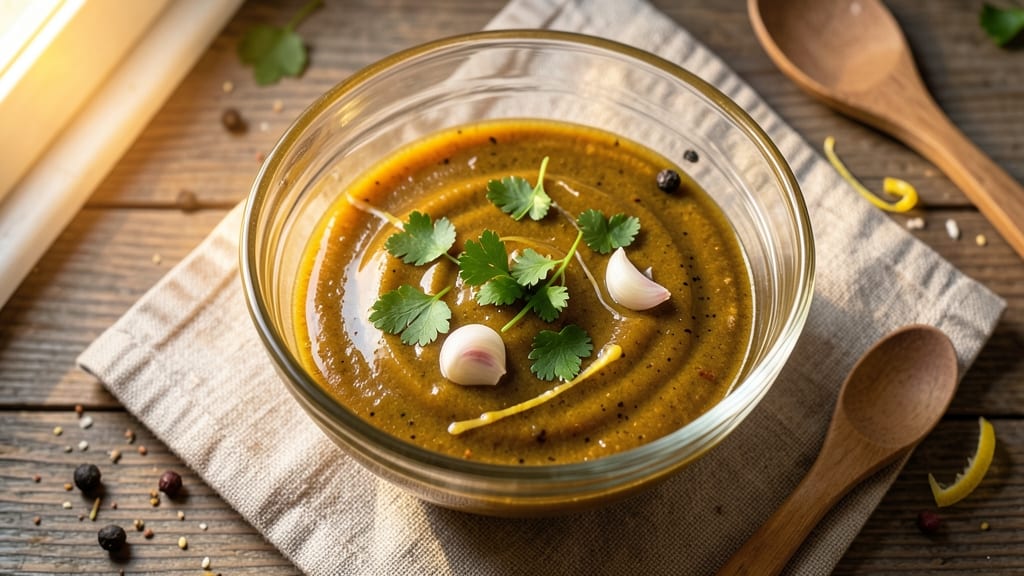
This basic pasta salad dressing recipe transforms ordinary pasta salads into vibrant, flavor-packed meals with just a few simple ingredients. The key lies in balancing tangy vinegar, rich olive oil, and fresh herbs to create a dressing that clings to every noodle and vegetable—no matter how long it sits.
I developed this recipe after realizing most store-bought dressings fall flat after 24 hours, so I focused on ingredients that stay fresh and flavorful for days.
The dressing comes together in under 5 minutes with just 6 ingredients, making it perfect for meal prep or last-minute salads. A splash of Dijon mustard adds depth, while lemon juice brightens the flavors and helps preserve freshness.
Fresh parsley and basil contribute herbal notes that elevate even the simplest pasta salad, while a touch of garlic ensures every bite has a satisfying punch.
What makes this dressing truly special is its versatility—it works with cold or warm pasta, adds zing to grain bowls, and even enhances roasted vegetables. The emulsion stays smooth and clings to ingredients, so you won’t find a dry salad here.
Whether you’re prepping for a picnic or whipping up dinner, this dressing ensures every bite is packed with flavor without overpowering the other components.
For extra staying power, store the dressing in an airtight container in the fridge for up to 5 days, or freeze it for up to 3 months.
The flavors actually improve over time, making it ideal for batch cooking. Ready to elevate your pasta salads? Let’s get started with this foolproof recipe.
Ingredients for basic pasta salad dressing
Six simple ingredients create the perfect herb-infused vinaigrette for vibrant pasta salads.
| Ingredient | Amount | Notes |
|---|---|---|
| Extra-Virgin Olive Oil 🫒 | ¾ cup | High-quality, fruity variety preferred |
| White Wine Vinegar 🍷 | ⅓ cup | Dry variety for best balance |
| Dijon Mustard 🌶️ | 2 tbsp | Adds depth and helps emulsify |
| Fresh Lemon Juice 🍋 | 2 tbsp | Freshly squeezed for brightness |
| Garlic Cloves 🧄 | 2 cloves | Minced finely for smooth texture |
| Fresh Parsley Leaves 🌿 | ⅓ cup | Finely chopped, stems removed |
| Fresh Basil Leaves 🌿 | ¼ cup | Finely chopped for herbal notes |
| Diamond Crystal Kosher Salt 🧂 | ½ tsp | Adjust to taste after mixing |
| Freshly Ground Black Pepper 🌶️ | ¼ tsp | Freshly cracked for best flavor |
The olive oil here is non-negotiable—look for extra-virgin with a fruity aroma, not that harsh, industrial stuff. Trader Joe's has a great budget-friendly option, but if you're splurging, California Avocados' brand is worth it. The vinegar should be dry white wine, not balsamic or apple cider—those add sweetness we don't want. Fresh herbs are key too: parsley and basil from the grocery store's refrigerated section work, but farmers market herbs have that extra pop. I always wash and dry them thoroughly before chopping to avoid watery dressing.
No Dijon? Whole-grain mustard works too, though it's slightly grainier. Subbing lemon juice? White wine vinegar at 1:1 ratio keeps the tang. Running short on fresh herbs? Dried parsley at one-third the amount is fine, but skip the dried basil—it tastes bitter. The garlic can be roasted for a milder flavor if you prefer. For extra staying power, add 1/2 teaspoon of sugar to balance acidity, especially if using tart vinegar. And if you're making this ahead, store the vinegar and lemon juice separately until ready to mix—keeps the dressing fresh longer.
This dressing keeps for 5 days in the fridge, but the flavors actually improve after 24 hours as everything melds. For longer storage, freeze in ice cube trays—just thaw in the fridge before using. The emulsion stays stable for days, so you won't get that dreaded oil separation. I usually make a double batch—one for immediate use, one to freeze. The herbs will darken but stay flavorful. If the dressing thickens in the fridge, just whisk in 1 tablespoon of water to restore consistency.
Why You'll Love This Recipe
- Five-Ingredient Magic: I swear by this combo—just oil, vinegar, mustard, lemon, and garlic. No fancy gadgets, no waiting for special ingredients to arrive. Honestly, if you’ve got a knife and a bowl, you’re golden.
- Bright & Bold: That zingy lemon and sharp Dijon mustard cut through the richness of the olive oil like a knife through butter. Between us, the garlic clove (minced or whole, your call) is the secret weapon—it lingers just enough to make every bite unforgettable.
- Meal Prep MVP: Make a double batch and toss it in the fridge for days. It’s my go-to for potlucks, picnic lunches, or even a lazy Sunday spread. I’ll be real: this dressing stays fresh longer than my willpower to resist seconds.
- Budget-Friendly Flex: You’re not spending a fortune here—just pantry staples that won’t break the bank. Plus, the leftovers? They’re even better the next day. (Yes, even on a Tuesday night.)
Step-by-step instructions for herb-infused pasta salad dressing
This vinaigrette delivers vibrant flavor and stays fresh for days—here's how to make it perfectly every time.
Combine the Base Ingredients
In a medium bowl, whisk together the 0.75 cup extra-virgin olive oil and 0.33 cup white wine vinegar until fully emulsified. I use a balloon whisk for this because it incorporates air more efficiently than a spoon. The mixture should look smooth and slightly thickened—this is your foundation.
Next, add the 2 tablespoons Dijon mustard and 2 tablespoons fresh lemon juice. Whisk vigorously for 30 seconds until the mustard is completely dissolved and the mixture becomes homogeneous. The lemon juice brightens the flavors while the mustard acts as an emulsifier to bind the oil and vinegar together. If you notice any separation, whisk a bit longer—this is normal with vinegar-based dressings.
Incorporate the Aromatics
Add the 2 minced garlic cloves to the bowl and whisk for another 15 seconds until the raw garlic aroma is fully integrated. The garlic should be completely dissolved—no visible flecks remain. I like to use a microplane for garlic because it creates a fine, smooth texture that won't clump in the dressing.
Now add the 0.33 cup finely chopped fresh parsley leaves and 0.25 cup finely chopped fresh basil leaves. Fold these in gently with a spatula to avoid breaking down the leaves too much. The herbs should be evenly distributed throughout the dressing. This is where the dressing gets its vibrant green color and fresh herbal notes—don't skip this step if you want that restaurant-quality look.
Season and Emulsify
Add the 0.5 teaspoon Diamond Crystal kosher salt and 0.25 teaspoon freshly ground black pepper to the bowl. Stir well to distribute the seasoning evenly. Taste the dressing at this point—it should be tangy, herby, and slightly garlicky but balanced. If it needs more brightness, add a tiny splash of lemon juice. If it needs more depth, add a pinch more salt.
Transfer the dressing to a clean jar with a tight-sealing lid. Shake vigorously for 10 seconds to ensure everything is fully combined. The dressing should have a glossy appearance with no visible separation. If you see any oil pooling on top after shaking, whisk it again—this means the emulsification needs more work. The Dijon mustard helps stabilize it, but sometimes a little extra whisking is needed for the perfect consistency.
Rest and Adjust
Let the dressing sit at room temperature for 10 minutes before using. This resting period allows the flavors to meld together and the emulsification to fully stabilize. After resting, give it one final shake before drizzling over your pasta salad.
The dressing should coat the back of a spoon smoothly without being too thick. If it's too thick after resting, thin it with 1 teaspoon water at a time until it reaches your desired consistency. If it's too thin, let it sit for another 5 minutes—the oil will naturally separate slightly, and you can re-emulsify by shaking vigorously. This dressing keeps well in the refrigerator for up to 5 days, making it perfect for meal prep.
Pro Tips For Making Basic Pasta Salad Dressing
- Whisk Like You Mean It: Don’t just stir—whisk that Dijon mustard into the olive oil first until it’s fully emulsified. I learned this the hard way when my dressing split into oily puddles halfway through tossing. A good 30-second whip with a fork or whisk keeps everything smooth.
- Mince Garlic, Don’t Mash: Chop those garlic cloves into tiny, even pieces instead of smashing them. Smushed garlic burns faster and adds bitterness. Fine mincing also means the flavor blends in evenly—no surprise garlic chunks in your salad.
- Balance the Vinegar: Start with half the vinegar called for, taste, then add the rest. White wine vinegar can overpower if you’re not careful, especially with lemon juice in the mix. Better to adjust than regret.
- Lemon Last, Always: Add the fresh lemon juice right before serving—it brightens the dressing but dulls if left to sit too long. The acidity reacts with the oil, so save it for the final toss. (Yes, even if you’re impatient like me.)
Flavor customization for this basic pasta salad dressing
Creamy Herb Variations
Swap the white wine vinegar for ½ cup plain Greek yogurt or ¼ cup sour cream to create a creamy version. Add 1 tablespoon lemon juice and ½ teaspoon honey to balance tanginess.
I like using chives instead of parsley for a milder herb flavor. This works perfectly with warm pasta salads and adds a velvety texture. 🥄
Spicy Kick Options
For heat lovers, add ½ teaspoon red pepper flakes or 1 teaspoon hot sauce like Cholula. I also recommend ½ teaspoon smoked paprika for depth. If you prefer fresh heat, blend in 1 tablespoon finely chopped jalapeño (seeds removed). These additions work especially well with Mexican-inspired pasta salads. 🌶️
Sweet & Tangy Twist
Add 1 tablespoon honey or agave nectar to sweeten the dressing while keeping it bright. I often combine this with 1 teaspoon orange zest for a citrusy note. This variation pairs beautifully with fruit-infused pasta salads or grilled chicken dishes. The sweetness balances the acidity perfectly. 🍊
Umami Boost
For extra depth, stir in 1 teaspoon soy sauce or 1 tablespoon miso paste. I also like adding ½ teaspoon fish sauce for a Southeast Asian-inspired flavor. These additions work surprisingly well with Asian noodle salads or cold ramen dishes. 🍜
Herb Substitutions
Don’t have fresh basil? Use ½ teaspoon dried basil or swap for ½ cup fresh dill for a different herbal profile. I often use cilantro in Mexican-style pasta salads.
For a Mediterranean twist, try oregano and thyme together. Experiment to find your favorite combo—herbs are the star of this dressing! 🌿
Seasonal Adjustments
In summer, add 1 tablespoon fresh mint or cilantro for a refreshing touch. For winter, warm the dressing slightly with ½ teaspoon grated ginger or a pinch of cinnamon. These seasonal tweaks keep the dressing exciting year-round while maintaining its versatility. 🌱
Nutrition facts
Frequently asked questions about pasta salad dressings
Can I make this dressing without fresh herbs?
Yes! For a herb-free version, replace the fresh parsley and basil with 1 teaspoon dried parsley and ½ teaspoon dried basil. The flavor won't be as vibrant, but it works in a pinch. For extra depth, add ½ teaspoon dried oregano or thyme instead.
How do I prevent oil separation in my dressing?
Oil separation happens when the emulsion breaks. To prevent it, whisk the dressing vigorously for at least 30 seconds when combining oil and vinegar. Add the Dijon mustard first—it acts as a natural emulsifier. If separation occurs later, simply shake or whisk again before using.
Can I use this dressing on warm pasta salads?
This dressing works perfectly on warm pasta salads too. Just let it cool slightly before adding, or warm the dressing gently in a small saucepan (don't boil) to maintain its consistency. The flavors meld beautifully with warm noodles and proteins like grilled chicken.
What's the best way to store leftover dressing?
Store in an airtight container in the fridge for up to 5 days. For longer storage, freeze in ice cube trays—thaw overnight in the fridge before using. The herbs may darken but stay flavorful. If the dressing thickens, whisk in 1 teaspoon water to restore consistency.
Can I make this dressing spicier?
Yes! For heat lovers, add ½ teaspoon red pepper flakes or 1 teaspoon hot sauce like Cholula. For smoky heat, try ½ teaspoon smoked paprika.