
Salads
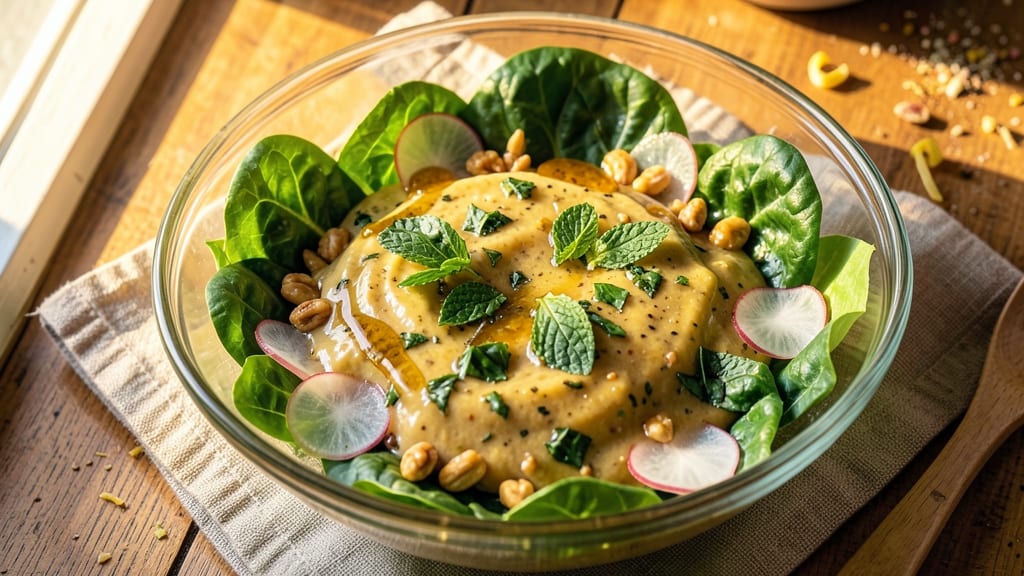
This basil mint salad dressing recipe transforms simple ingredients into a vibrant, herb-packed sauce that elevates every salad from ordinary to extraordinary. The secret lies in balancing fresh basil and mint with a tangy vinegar base and smooth olive oil, creating an emulsion that stays creamy without separating.
I developed this recipe after realizing how often store-bought dressings fell short of restaurant-quality freshness.
What makes this dressing special is its versatility—it works equally well on crisp greens, hearty grain bowls, or as a marinade for grilled vegetables. The combination of basil and mint adds a refreshing brightness that cuts through rich ingredients while keeping the flavor profile light and complex.
Plus, it comes together in just 5 minutes with ingredients you likely already have on hand.
The result is a dressing that's bright, herbaceous, and perfectly balanced—never overpowering, yet always memorable. Each component plays a crucial role: the vinegar provides acidity, the mustard helps emulsify, and the herbs infuse their freshness throughout.
This recipe also includes a vegan adaptation using olive oil instead of yogurt, ensuring everyone can enjoy it.
Store any leftovers in an airtight container in the refrigerator for up to 5 days, shaking gently before each use. It's the kind of dressing that makes you want to eat salads more often, and once you try it, you'll never go back to bottled versions again.
Let's make this dressing!
Ingredients for basil mint salad dressing
Nine vibrant ingredients blend into a restaurant-quality dressing that transforms ordinary salads into extraordinary meals.
| Ingredient | Amount | Notes |
|---|---|---|
| Fresh Basil Leaves 🌿 | 1 cup | Packed, stems removed, vibrant green |
| Fresh Mint Leaves 🍃 | ½ cup | Packed, stems removed, bright green |
| Extra-Virgin Olive Oil 🫒 | ½ cup | High-quality, fruity, cold-pressed |
| White Wine Vinegar 🍷 | ¼ cup | Dry, crisp, 5% acidity preferred |
| Dijon Mustard 🌶️ | 1 tbsp | Mild, smooth, no sugar added |
| Raw Honey 🍯 | 1 tbsp | Wildflower preferred, organic |
| Diamond Crystal Kosher Salt 🧂 | ½ tsp | Fine grain, sea salt alternative |
| Freshly Ground Black Pepper 🌶️ | ¼ tsp | Cracked peppercorns preferred |
| Plain Greek Yogurt (vegetarian) 🥛 | ¼ cup | Full-fat for creaminess, unsweetened |
| Garlic Cloves 🧄 | 1 clove | Fresh, peeled, minced fine |
The herbs are the heart of this dressing, so prioritize quality. Fresh basil and mint from the grocery store's produce section should be bright green with no wilting—avoid the sad, yellowing leaves that often sit in the back. For the best flavor, Whole Foods or local farmers markets offer superior quality, though even the standard grocery store selection works if handled promptly. If you can't find fresh mint, spearmint or peppermint both work, though their flavors differ slightly. The olive oil should be extra-virgin—look for bottles labeled 'first cold press' to ensure maximum flavor. California Olive Ranch or Colavita are reliable brands for consistent quality.
Substitutions are flexible, but balance is key. No fresh herbs? Use 1 tsp dried basil and 1 tsp dried mint (though flavor will be less vibrant). White wine vinegar can be swapped for apple cider vinegar or lemon juice, though the tang will differ slightly. For a vegan version, simply omit the yogurt and increase the olive oil by 2 tbsp to maintain creaminess. The honey can be replaced with agave nectar or maple syrup for a vegan adaptation, though sweetness levels may vary. If Dijon mustard is unavailable, whole-grain mustard thinned with water works as a substitute, though texture may be slightly grainier.
This dressing stays fresh for 5 days in an airtight container in the refrigerator, though flavor peaks within the first 2 days. For long-term storage, transfer to a sterilized glass jar and freeze for up to 3 months. Thaw overnight in the fridge before use. The emulsion may separate slightly upon refrigeration—simply shake or whisk vigorously before each use. For best results, prepare fresh every 3-4 days, as the herbs lose their brightness over time. A little goes a long way, so portion into small containers if you're making multiple batches.
Why You'll Love This Recipe
- I’ll be real: this dressing is the kind of recipe where you look at the list and think, "How is this even a thing?"—then taste it and realize it’s foolproof. No fancy techniques, no last-minute grocery runs: just basil, mint, olive oil, vinegar, and mustard. That’s it. The herbs brighten up in seconds, and the mustard ties everything together without overpowering.
- Here’s what sold me: this dressing is my go-to when I’m prepping meals for the week. Make a big batch (it keeps for days in the fridge), and suddenly you’ve got a flavor booster for lunches, dinners, or even drizzled over sandwiches. No last-minute shopping, no stress—just grab, shake, and go. Even my picky-eater husband asks for it now.
Step-by-step instructions for basil mint salad dressing
This herb-infused dressing delivers vibrant flavor with minimal effort—perfect for summer salads.
Prepare the Herb Base
In a food processor fitted with the metal blade, combine the 1 cup fresh basil leaves and 0.5 cup fresh mint leaves. Pulse until finely chopped—you want a texture between coarse and smooth, about the size of coarse sea salt. Avoid over-processing, which releases bitter compounds from the herbs.
Transfer the chopped herbs to a medium mixing bowl. The vibrant green color should be uniform, indicating even blending. This herb base forms the aromatic foundation of your dressing, so take your time to achieve consistency.
Whisk Wet Ingredients Together
In a separate bowl, whisk together the 0.5 cup extra-virgin olive oil, 0.25 cup white wine vinegar, 1 tbsp Dijon mustard, and 1 tbsp raw honey until fully emulsified. The mixture should become homogeneous with no visible streaks of oil or vinegar. This emulsification step ensures a smooth, cohesive dressing.
Add the 1 clove minced garlic and whisk vigorously for 10 seconds to distribute evenly. The garlic should dissolve completely into the mixture, contributing subtle depth without overpowering the bright herb notes. Taste at this stage—you should detect a balance of sweetness from the honey and acidity from the vinegar.
Incorporate Seasonings and Yogurt
Return to the bowl with chopped herbs and gradually pour in the wet ingredient mixture while whisking continuously. This gradual incorporation prevents clumping and ensures even distribution of the herbs throughout the dressing. Add the 0.25 cup plain Greek yogurt (vegetarian), 0.5 tsp Diamond Crystal kosher salt, and 0.25 tsp freshly ground black pepper. Whisk until fully combined.
The dressing should now have a thick, creamy consistency with a vibrant green hue. If it appears too thick, thin with 1-2 teaspoons of water at a time until it reaches a pourable consistency suitable for drizzling. The yogurt adds a luxurious creaminess that balances the acidity of the vinegar.
Rest and Adjust
Cover the bowl and let the dressing rest at room temperature for 10-15 minutes. This resting period allows the flavors to meld and the dressing to reach its optimal texture. After resting, give it a final taste and adjust seasoning if needed—add more salt if it tastes bland, or a touch of honey if the acidity is too sharp.
The dressing should now be bright, herbaceous, and perfectly balanced. Its vibrant green color and smooth texture make it ideal for drizzling over mixed greens, grain salads, or grilled vegetables. Store any unused portion in an airtight container in the refrigerator for up to 5 days, shaking well before each use.
Pro Tips For Making Basil Mint Salad Dressing
- STACK THE HERBS: Use a mortar and pestle instead of a blender—crush the basil and mint leaves first, then drizzle in the olive oil. This releases more flavor and avoids that watery, blended mess that ruins the texture.
- SALT THE MUSTARD: Add a pinch of fine sea salt to the Dijon before mixing it into the vinegar. It balances the sharpness right away, so you won’t end up chasing tanginess later with extra vinegar.
- STRAIN THE OIL: Let the dressing sit for 10 minutes after blending, then strain it through a fine-mesh sieve lined with cheesecloth. This removes herb bits that turn slimy after a few hours—no one wants gritty dressing on their salad.
- UPGRADE THE VINEGAR: Swap half the white wine vinegar for a splash of lemon juice (about 1 tablespoon). The acidity brightens the herbs and keeps the dressing from tasting flat after sitting, especially if you’re making it ahead.
Creative variations of this recipe
Herb Swaps & Flavor Twists
Swap basil for cilantro or dill to create a Middle Eastern-inspired dressing—just reduce mint to ¼ cup and add ½ tsp ground cumin. For a Mediterranean twist, replace mint with thyme and oregano, then add 1 tsp lemon zest.
These variations keep the dressing bright while introducing bold new layers. 🌿
Sweet & Spicy Adaptations
For a spicy kick, stir in ½ tsp chili flakes or 1 tsp sriracha after resting. To balance heat, add 1 extra tbsp honey or 1 tsp maple syrup. For a sweet-tangy profile, replace white wine vinegar with apple cider vinegar and add 1 tsp grated ginger.
These tweaks turn your dressing into a versatile condiment for more than just salads.
Dairy-Free & Vegan Options
Skip the yogurt entirely and replace it with ¼ cup silken tofu blended until smooth for a vegan-friendly version. Alternatively, use 2 tbsp tahini for a nutty depth—just whisk it into the wet ingredients first.
For extra creaminess, increase olive oil to ⅔ cup and add 1 tsp lemon juice to balance. The texture stays luscious without dairy. 🥛
Seasonal Ingredient Swaps
In summer, boost freshness with ¼ cup cucumber juice or 2 tbsp finely diced cucumber. For fall, add ½ tsp cinnamon and 1 tsp balsamic vinegar for warmth.
In winter, swap mint for rosemary and add ½ tsp smoked paprika to complement hearty winter salads. These seasonal swaps keep the dressing exciting year-round.
Global Fusion Variations
Transform your dressing into a Thai-inspired sauce by adding 1 tsp fish sauce (or soy sauce for vegan) and 1 tsp lime juice. For a Mexican twist, mix in ½ tsp lime zest and ¼ tsp chipotle powder.
A French-inspired version swaps mint for tarragon and adds 1 tsp Dijon mustard for extra tang. Each variation keeps the herbaceous base while exploring new flavor territories.
Storage Hacks for Variations
All variations store the same way—in an airtight container for up to 5 days. For longer shelf life, freeze portions in ice cube trays (thaw in the fridge before use).
Label each variation clearly, as flavors evolve differently. The spicy and sweet versions may separate more upon refrigeration, so shake vigorously before using. 🧊
Nutrition facts
Frequently asked questions
Can I make this dressing without fresh herbs?
While fresh basil and mint give the best flavor, you can use dried herbs in a pinch. Replace 1 cup fresh basil with 1 tbsp dried basil and 0.5 cup fresh mint with 1 tsp dried mint. The flavor will be less vibrant but still delicious. For extra brightness, add 1 tsp lemon juice to compensate for the dried herbs' milder taste.
How do I prevent the dressing from separating?
To keep your dressing smooth, whisk vigorously when combining wet ingredients and herbs. The Dijon mustard acts as a natural emulsifier, so don't skip it. If separation happens after refrigeration, simply shake or whisk the dressing before using. For extra insurance, add 1 extra tbsp olive oil when storing.
What's the best way to store leftovers?
Store in an airtight container in the fridge for up to 5 days. For longer storage, freeze in ice cube trays (thaw in the fridge). Shake well before each use as the herbs may settle. Pro tip: Label containers with the date to track freshness. The dressing tastes best within the first 2-3 days when flavors are brightest.
Can I use this dressing on things other than salads?
This versatile dressing works perfectly as a marinade for grilled chicken or fish, a dip for crusty bread, or a topping for grain bowls. Try drizzling it over roasted vegetables or using it as a sauce for pasta. The bright herb flavors complement both savory and slightly sweet dishes beautifully.
What if my dressing tastes too strong or bitter?
If the herbs taste overpowering, balance with 1 extra tbsp honey or 1 tsp lemon juice to mellow the intensity. For bitterness, add ½ tsp more salt or a pinch of sugar. Remember, fresh herbs should be vibrant green—if they're wilted or yellowing, they may contribute unwanted flavors. Always start with fresh, high-quality herbs for the best results.