
Sauces & Condiments
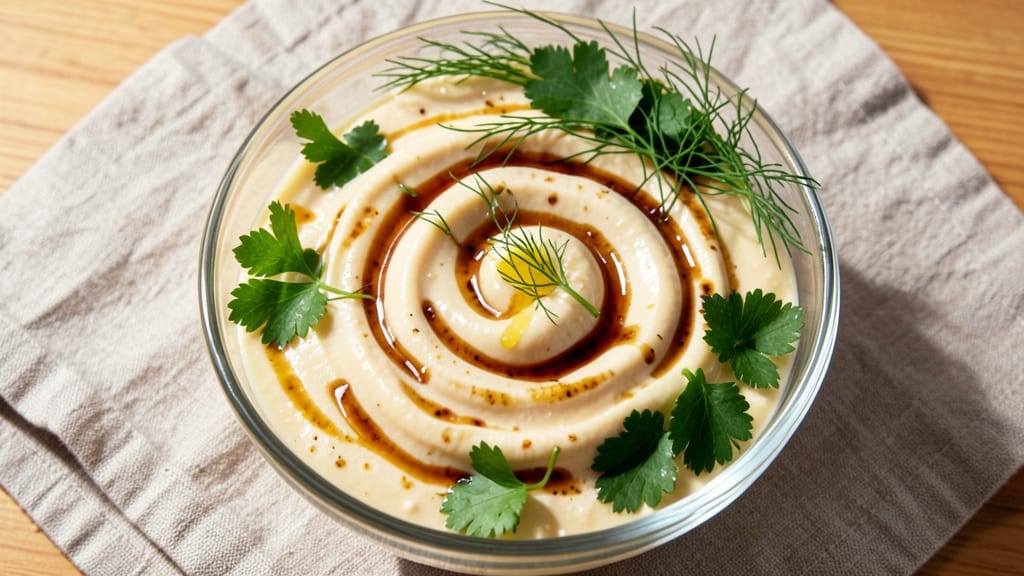
This bean salad dressing recipe delivers rich, herb-infused creaminess without any added sugar—perfect for transforming simple bean salads into restaurant-worthy meals. The secret lies in balancing tangy apple cider vinegar with bright lemon juice, fresh herbs, and a touch of mustard for depth.
I developed this dressing specifically for those watching sugar intake but still craving bold, complex flavors in every bite.
The base is built on a simple yet powerful combination: plant-based mayo for creaminess, Dijon mustard for subtle heat, and a blend of fresh dill, parsley, and chives for that signature herbaceous brightness.
What makes this dressing truly special is how it enhances rather than overpowers the natural flavors of beans, whether you're using chickpeas, black beans, or white beans. The dressing stays fresh in the fridge for up to a week, making it ideal for meal prep.
What you'll end up with is a velvety, tangy dressing that clings beautifully to bean salads while adding layers of flavor without any sweetness. The acidity from the vinegar and citrus cuts through the richness of the mayo, creating perfect balance.
This dressing works equally well as a topping for salads, a dip for veggie sticks, or even as a marinade for grilled vegetables.
For those with dietary restrictions, this recipe is completely vegan and requires just 7 simple ingredients—no complicated techniques or special equipment needed. The dressing comes together in minutes and can be adjusted to suit your taste preferences by adding more herbs or vinegar for extra tang.
Let's create this flavorful, guilt-free dressing that will elevate your bean salads to new heights.
Ingredients for bean salad dressing recipe no sugar
Seven simple ingredients transform ordinary bean salads into restaurant-worthy dishes—no sugar needed.
| Ingredient | Amount | Notes |
|---|---|---|
| Plant-Based Mayo 🥫 | ½ cup | Vegan mayo, like Just Mayo |
| Apple Cider Vinegar 🍏 | ¼ cup | Raw, unfiltered preferred |
| Fresh Lemon Juice 🍋 | ¼ cup | Freshly squeezed, no pulp |
| Dijon Mustard 🌶️ | 1 tbsp | High-quality, smooth variety |
| Fresh Dill 🌿 | ¼ cup | Chopped, stems removed |
| Fresh Parsley 🌿 | 0.15 cup | Flat-leaf, finely chopped |
| Fresh Chives 🌿 | 0.1 cup | Finely chopped, mild flavor |
| Salt 🧂 | ½ tsp | Sea salt, fine grain |
| Black Pepper 🌶️ | ¼ tsp | Freshly ground preferred |
The herbs are the heart of this dressing. Fresh dill gives that signature tangy brightness, while parsley and chives round out the flavor profile. I always grab the flat-leaf parsley from the grocery store—it's more flavorful than curly. For dill, the baby dill at Whole Foods has a milder, sweeter taste, but regular dill works just fine. If you're growing your own herbs, the morning harvest is when they're most vibrant. The key is to chop them finely—this releases more flavor into the dressing.
No fresh herbs? Dried dill at one-third the amount works in a pinch, but it won't have the same brightness. The Dijon mustard can be swapped for whole-grain mustard if you prefer a nuttier taste. For extra tang without sugar, add a splash more apple cider vinegar. The plant-based mayo should be unsweetened—check the label, as some brands sneak in sugar. If you're making a big batch, Trader Joe's has a great vegan mayo that's affordable and keeps well. The lemon juice should be freshly squeezed—bottled juice lacks that bright punch.
This dressing keeps beautifully in an airtight jar in the fridge for up to a week. I like to make a double batch because it's so versatile—salads, veggie dips, even a marinade for grilled veggies. If you're prepping for the week, portion it into small containers. The flavors actually improve as it sits, so don't hesitate to make extra. The acidity from the vinegar and lemon helps preserve it longer, so you won't have to worry about it going bad quickly.
Why You'll Love This Recipe
- Five-Ingredient Magic: I swear, this dressing comes together with just a bowl and a whisk—no blender, no fancy tools. The plant-based mayo and Dijon mustard blend like a dream, while the lemon juice cuts through everything without needing a scale or measuring cups.
- Tangy Bright Pop: That fresh dill and lemon juice combo? It’s like sunshine in a jar. Honestly, the apple cider vinegar adds this little sharp kick that makes it way more interesting than store-bought dressings—no sugar crash, just pure flavor.
- Meal Prep MVP: I make a big batch on Sundays and toss it in salads, wraps, or even drizzle it over roasted veggies all week. It stays fresh for days, and honestly, the longer it sits, the better it tastes—like the flavors meld into something even richer.
- Budget-Friendly Flex: Dill and lemon juice are cheap, and plant-based mayo lasts forever. Between us, this dressing costs pennies per serving, and I’ve used it for everything from picnic sides to quick lunch bowls. No guilt, just good eats.
Instructions for herb-infused bean salad dressing
Here's how to blend this creamy, sugar-free dressing that's bursting with bright herbs.
Whisk Together the Base Ingredients
In a medium bowl, combine the 0.5 cup plant-based mayo with the 0.25 cup apple cider vinegar and 0.25 cup fresh lemon juice. I like to use a whisk for this step because it helps emulsify the ingredients right from the start. You'll notice the mixture immediately starts to lighten in color and become slightly thinner as the acids cut through the richness of the mayo.
Next, add the 1 tablespoon Dijon mustard and mix until fully incorporated. The mustard acts as both a thickener and flavor enhancer, giving the dressing that subtle tangy depth. Give everything a good stir—you should see the ingredients blending smoothly without any streaks of mayo remaining. This foundational mixture is what will carry all those fresh herbs we're about to add.
Fold in the Fresh Herbs
Add the chopped herbs one at a time, starting with the 0.25 cup fresh dill. I find it works best to fold them in gently with a rubber spatula rather than whisking, as this prevents crushing the delicate leaves. You'll see those vibrant green flecks distribute evenly throughout the dressing, giving it that fresh, garden-fresh appearance.
Continue folding in the 0.15 cup fresh parsley and 0.1 cup fresh chives, mixing just until combined. The parsley adds a mild, slightly peppery note, while the chives contribute a delicate oniony sweetness. Don't worry if the dressing looks a bit chunky at this stage—those herb pieces will soften slightly as they sit, but they'll still provide that beautiful texture contrast when drizzled over salads.
Season and Emulsify
Add the 0.5 teaspoon salt and 0.25 teaspoon black pepper, then give everything a final whisk to ensure the seasoning is evenly distributed. Taste the dressing at this point—it should be tangy from the vinegar and lemon, with a creamy base from the mayo. If you're using freshly ground black pepper, you'll notice that peppery aroma immediately.
For the best texture, transfer the dressing to a clean jar with a tight-fitting lid and shake vigorously for 10-15 seconds. This step is crucial for creating that silky, emulsified consistency. The dressing should look smooth and homogeneous, with no visible separation between the oil and vinegar components. If you do see any separation after shaking, give it another quick shake—this dressing comes together beautifully once properly emulsified.
Rest and Adjust
Let the dressing rest at room temperature for 10 minutes before using. This resting period allows all the flavors to meld together and the herbs to release their full aroma. After resting, give it one final taste and adjust the seasoning if needed—perhaps a pinch more salt or a squeeze of lemon if you want to brighten it up.
The dressing will keep well in the refrigerator for up to 5 days, though I find it's always best when freshly made. The flavors continue to develop slightly over time, becoming even more complex. When ready to use, give the jar a good shake before drizzling over your favorite bean salad—this dressing transforms simple beans into a gourmet meal with its creamy, herbaceous profile.
Pro Tips For Making Bean Salad Dressing Recipe No Sugar
- BLEND IN STAGES: Mix the plant-based mayo first, then slowly add the vinegar and lemon juice—this prevents the dressing from breaking and turning grainy. I used to dump everything in at once and ended up with a sad, clumpy mess.
- USE COLD INGREDIENTS: Keep your plant-based mayo, lemon juice, and vinegar chilled until the very end—warmth makes mayo separate faster. I learned this after making dressing that split like oil and water the second it hit room temperature.
- CHOP DILL FINE: Pulse the dill in a food processor for 2-3 seconds, not a full chop—you want flavor, not a dill purée. Whole stems make it look pretty, but finely chopped dill releases more aroma and blends smoothly.
- SALT THE MAYO: Add ½ teaspoon of salt directly to the plant-based mayo before blending—it balances the acidity and makes the dressing taste fully developed. Skipping this step leaves it flat, even if the other flavors seem right.
Pro cooking tips for perfect results
Emulsification Secrets
This dressing relies on proper emulsification to achieve its silky texture. Start by whisking the plant-based mayo with apple cider vinegar and lemon juice—the acidity helps break down the mayo's fat molecules.
I use a whisk for this step because it creates tiny air pockets that help bind the ingredients. If you see any separation after shaking, don't panic—just give it another quick shake. The Dijon mustard also acts as a natural emulsifier, helping to stabilize the mixture. 🔥
Herb Freshness Matters
Fresh herbs make all the difference in this dressing. I always chop dill, parsley, and chives just before adding them to preserve their vibrant flavors. For maximum impact, use baby dill if available—it has a milder, sweeter taste.
If you're using dried herbs, reduce the amount to one-third of what's called for in the recipe. The herbs should be finely chopped but not pulverized—this ensures they distribute evenly without turning the dressing into a puree. 🌿
Acid Balance Tricks
The tangy brightness comes from the apple cider vinegar and lemon juice, but balancing them is key. If your dressing tastes too sharp, add a splash more plant-based mayo to mellow it out.
For extra depth, I sometimes add ½ teaspoon maple syrup (even though the recipe is sugar-free)—it adds subtle sweetness without overpowering. The Dijon mustard also contributes to the acid balance, so don't skip it. Taste as you go and adjust gradually. ✨
Storage and Texture Tips
This dressing keeps beautifully in an airtight jar in the fridge for up to 5 days, but the texture can change slightly over time. If it separates, simply shake it vigorously before using—it will come back together perfectly.
For meal prep, portion it into small containers so you can grab just what you need. The flavors actually improve as it sits, so don't hesitate to make a double batch. The lemon juice helps preserve it longer, so you won't have to worry about spoilage. 💡
Flavor Customization
Want to tweak the flavor? Swap apple cider vinegar for red wine vinegar for a more sophisticated taste, or add 1 teaspoon garlic powder for a savory kick. For a smoky twist, stir in ½ teaspoon smoked paprika just before serving.
If you love heat, add ¼ teaspoon cayenne pepper—it disappears into the dressing beautifully. The key is to adjust gradually and taste as you go. 🌶️
Equipment Essentials
You don't need fancy tools—just a medium bowl, whisk, and rubber spatula work perfectly. For emulsifying, a clean jar with a tight lid is ideal because shaking it vigorously helps create that smooth, creamy texture.
If you're making a big batch, consider using an immersion blender for 10 seconds to ensure everything is perfectly combined. A fine-mesh strainer also works well if you prefer a smoother dressing without herb bits. 💪
Nutrition facts
Frequently asked questions
Can I use this dressing on salads with other vegetables besides beans?
This herb-infused dressing works beautifully with any fresh veggie salad. Try it on cucumber, tomato, or mixed greens for a bright, creamy topping. The tangy acidity balances even heartier vegetables like roasted sweet potatoes or grilled zucchini. Just adjust the amount—start with 1-2 tablespoons per serving and taste as you go.
What if I don't have fresh herbs? Can I use dried instead?
Yes, but use only one-third the amount of dried herbs compared to fresh. For example, 1 teaspoon dried dill replaces 0.25 cup fresh dill. The flavor will be milder, but it still adds nice depth. If you're using dried herbs, add them to the bowl first and whisk well to distribute the flavor evenly before adding other ingredients.
How can I make this dressing thicker or thinner? For a thicker consistency, add 1-2 teaspoons more plant-based mayo and whisk well. For a thinner dressing, stir in 1-2 teaspoons more apple cider vinegar or lemon juice. The dressing should coat the back of a spoon but still flow smoothly.
Is this dressing safe for people with mustard allergies?
No, this recipe contains Dijon mustard, which is not safe for people with mustard allergies. For a mustard-free version, simply omit the mustard and increase the plant-based mayo by 1 tablespoon to maintain the creamy texture. The dressing will still have great flavor, though the depth will be slightly different.
Can I make this dressing ahead of time for meal prep?
Yes! This dressing actually tastes better after 24 hours as the flavors meld together. Store it in an airtight jar in the fridge for up to 5 days. Before using, give it a good shake to re-emulsify. For long-term storage, freeze portions in ice cube trays and transfer to a freezer bag—thaw overnight in the fridge before using.