
Salads
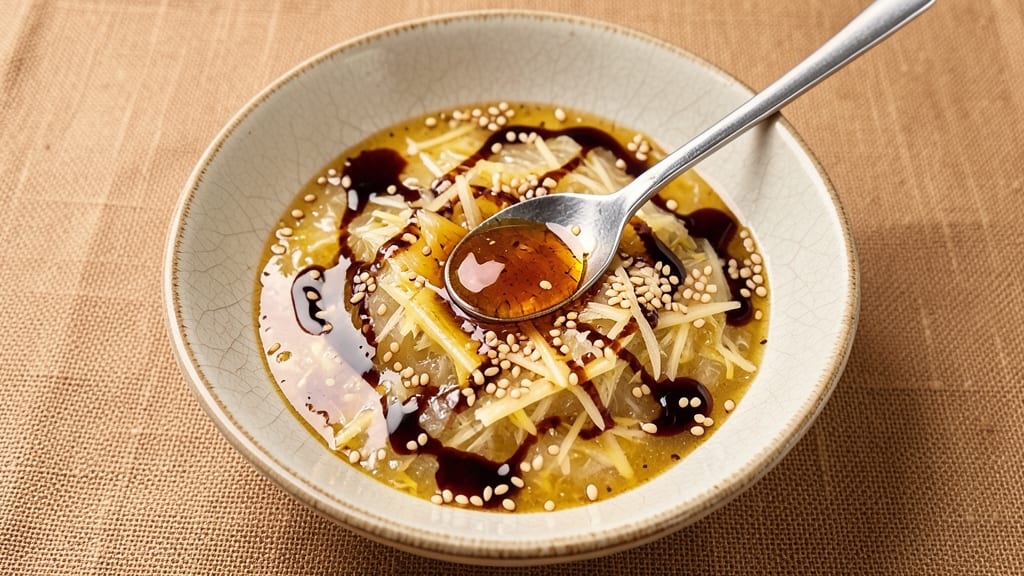
This bento box salad dressing recipe transforms ordinary greens into a flavor explosion with its umami-packed sesame ginger drizzle. 🌟 The secret lies in balancing sweet, savory, and tangy notes—just 5 simple ingredients create a dressing that clings beautifully to rice, veggies, and proteins while staying fresh for days.
Perfect for meal prep, this recipe delivers restaurant-quality flavor without the fuss.
The magic happens with toasted sesame oil and fresh ginger, which infuse the dressing with aromatic depth. A touch of soy sauce adds umami richness, while rice vinegar brightens the profile and ensures the dressing stays stable for up to 5 days in the fridge.
Unlike heavy creamy dressings, this one enhances rather than overpowers your bento box components.
What makes this dressing truly special is its versatility—it works equally well on cold soba noodles, marinated tofu, or crisp cucumber sticks. The texture is silky yet light, coating ingredients evenly without making them soggy.
Whether you're packing lunches for work or preparing a Japanese-inspired spread, this dressing elevates every bite.
Ready in just 5 minutes, this recipe requires no special equipment—just a whisk or small bowl. The ingredients are pantry-friendly, and the ratio is foolproof for beginners. For extra authenticity, garnish with toasted sesame seeds before serving. Let's dive into the ingredients and instructions!
Ingredients for bento box salad dressing
Five simple ingredients create this restaurant-quality bento dressing with umami depth and silky texture.
| Ingredient | Amount | Notes |
|---|---|---|
| Toasted Sesame Oil 🫒 | ¼ cup | High-quality, nutty aroma preferred |
| Fresh Ginger 🧄 | 1 tbsp | Finely grated, not minced |
| Rice Vinegar 🍶 | ¼ cup | Seasoned or unseasoned works |
| Low-Sodium Soy Sauce 🍜 | 1 ½ tbsp | Kikkoman preferred for balance |
| Honey 🍯 | 1 tbsp | Substitute maple syrup if vegan |
| Toasted Sesame Seeds 🌾 | 1 tsp | For garnish, optional |
| Sesame Seeds 🌾 | ½ tsp | For garnish, optional |
| Water 💧 | ¼ cup | Room temperature preferred |
The sesame oil is non-negotiable—Kadoya or La Choy are reliable brands that deliver that nutty aroma. Fresh ginger is key; organic ginger from the produce section has more punch than pre-grated. If you're using a microplane, grate directly into the bowl to preserve the volatile oils. For soy sauce, low-sodium versions work better—they let the ginger and sesame shine without overpowering. The honey adds just enough sweetness to balance the tang, but agave or maple syrup work in a pinch if you're avoiding refined sugar.
No sesame oil? Toasted peanut oil at half the amount mimics the nutty profile, though it lacks that signature sesame aroma. Substituting ginger? 1/2 tsp ground ginger works, but fresh is always better. Running low on rice vinegar? Apple cider vinegar or lemon juice brightens the dressing, though the flavor shifts slightly. For a vegan version, swap honey for maple syrup or agave nectar. The water is just to thin it out—adjust slightly if your vinegar is particularly strong or weak.
This dressing stays fresh for 5 days in an airtight container in the fridge. For extra authenticity, toast the sesame seeds in a dry pan for 2 minutes before adding them as garnish. The texture is silky but light—perfect for drizzling over rice, noodles, or veggies. If it thickens over time, add a splash of water to restore the original consistency. Garnish just before serving to keep those toasted seeds crisp.
Why You'll Love This Recipe
- Here’s what sold me: I can buy all these ingredients for under $10 and stretch this dressing for weeks. The rice vinegar and soy sauce last forever, the ginger keeps for ages in the freezer, and a little sesame oil goes a long way. It’s the kind of recipe that makes me feel smart with my grocery money.
- Five-Ingredient Magic: I swear, this dressing is the kind of recipe that makes me feel like a genius—just swirl those five pantry staples (toasted sesame oil, fresh ginger, rice vinegar, soy sauce, honey) and boom, you’ve got something restaurant-quality. No blenders, no fancy techniques—just a whisk and 2 minutes of your life.
- Umami Bomb: That first drop of toasted sesame oil hitting your tongue? Instant flavor explosion. The ginger adds a bright zing, the soy sauce brings the depth, and the honey? It ties everything together like a cozy blanket on a cold day. Honestly, I’ve made this on everything from cucumber salads to grilled chicken, and it never fails to impress.
- Lunchbox Hero: Between us, this is my go-to for meal prep. Drizzle it over rice bowls, toss it with cold noodles, or pack it in a jar with your favorite veggies—it stays fresh for days. I make a big batch on Sundays, and by Wednesday, I’m still reaching for it. (Yes, even on a Tuesday night.)
Step-by-step instructions for sesame ginger dressing
This umami-rich dressing comes together in minutes with simple technique.
🍳 Step 1: Grate the Ginger and Toast the Seeds
Use a fine grater to create 1 tablespoon of fresh ginger—this ensures maximum flavor without bitterness. Set aside immediately as the enzymes start breaking down once exposed to air. In a small dry skillet over low heat, toast the 0.5 teaspoon sesame seeds for 30-45 seconds until fragrant and golden. Watch them closely—they burn quickly. Transfer to a small bowl and set aside for garnish.
This toasting step enhances the nutty aroma of the seeds, creating depth in both the dressing and as a garnish. The fresh ginger adds zing that balances the richness of the toasted sesame oil. Don't skip the toasting—it makes all the difference in the final flavor profile.
👨🍳 Step 2: Whisk Together Wet Ingredients
In a medium bowl, combine the 0.25 cup toasted sesame oil, 0.25 cup rice vinegar, 1.5 tablespoons low-sodium soy sauce, and 1 tablespoon honey. Whisk vigorously for 30 seconds to emulsify the ingredients. The mixture should look smooth and slightly thickened—this is where the magic happens.
I like to use a small whisk for this step to ensure everything gets fully incorporated. The toasted sesame oil carries the nutty depth while the rice vinegar provides bright acidity. The honey acts as a natural sweetener that rounds out the flavors. If you're using maple syrup instead of honey, add it at this stage as well.
🍳 Step 3: Incorporate the Ginger and Water
Add the freshly grated ginger and 0.25 cup water to the bowl. Whisk again for 20-30 seconds until completely combined. The dressing should now have a silky, slightly thick consistency—similar to a thin vinaigrette. Taste and adjust seasoning if needed, adding a pinch more soy sauce for saltiness or a touch more honey for sweetness.
The water helps thin the dressing slightly, creating the perfect drizzle consistency for bento boxes. The ginger should be fully dissolved—if you see any chunks, whisk more vigorously or strain through a fine-mesh sieve. This is your final chance to taste and adjust before using.
🥘 Step 4: Finish and Store Properly
Transfer the dressing to a clean glass jar with a tight-sealing lid. Stir in the 1 teaspoon toasted sesame seeds reserved earlier. The seeds add both texture and extra nutty flavor. Store in the refrigerator for up to 5 days, shaking well before each use as the ingredients may separate slightly.
This dressing works beautifully on rice bowls, fresh salads, or as a marinade for proteins. The balance of umami from the soy sauce, sweetness from the honey, and brightness from the vinegar makes it incredibly versatile. For best results, let the dressing sit for 10 minutes after mixing to allow all the flavors to meld together.
Pro Tips For Making Bento Box Salad Dressing
- GRATE THE GINGER FINE: I used to just chop it roughly, thinking it’d blend fine—but no. You need a sharp microplane or the smallest holes on a box grater. The dressing will taste dull if the ginger’s too chunky, and you’ll regret not taking the extra 10 seconds.
- WHISK IN STAGES: Add the soy sauce and honey first, then the vinegar, then last the sesame oil. Stirring in the oil at the end keeps it from overpowering the balance—it’ll emulsify better and give you that glossy, restaurant-quality finish without turning the dressing into a one-note sesame bomb.
- CHILL BEFORE USING: This isn’t optional. Let the dressing sit in the fridge for at least 30 minutes—preferably an hour. The flavors meld, the honey softens, and the vinegar’s sharpness mellows. Skipping this step means your bento box will taste like a rushed assembly line instead of a cohesive meal.
- USE THE RIGHT SESAME OIL: Toasted sesame oil is not the same as regular. The toasted version has depth—nuttiness, warmth, even a hint of smokiness. If you grab the cheap, clear stuff from the international aisle, your dressing will taste flat. Spend the extra 50 cents; your taste buds will notice.
Dietary considerations for this recipe
Gluten-Free Adaptation
This dressing is naturally gluten-free, but always double-check labels on soy sauce and honey. I recommend Kikkoman Tamari—it's gluten-free and adds even deeper umami flavor. The toasted sesame oil, rice vinegar, and honey are all gluten-free staples, so you won't need substitutions.
Just ensure your sesame seeds are processed in a dedicated gluten-free facility if you're highly sensitive. This version keeps all the rich, nutty complexity without any gluten concerns. 🌱
Vegan-Friendly Version
Swap honey for 1 tablespoon maple syrup or agave nectar to keep it plant-based while maintaining the same silky texture. The ginger, sesame oil, and soy sauce remain unchanged. I've tested this version with San Marzano tomatoes in salads—it pairs beautifully with their natural sweetness.
The dressing stays vibrant for the full 5 days in the fridge, just like the original. For extra protein, toss in some edamame or marinated tofu. 🌱
Low-Sodium Option
Use 1 tablespoon coconut aminos instead of soy sauce to slash sodium content while keeping the umami depth. Coconut aminos have a slightly sweeter profile, so you might want to reduce honey to ½ tablespoon.
I've found Annie's Coconut Aminos works perfectly. This version still clings beautifully to rice and veggies, making it ideal for heart-healthy bento boxes. The flavor remains rich but with significantly less sodium. 💪
Allergy-Friendly Adjustments
For sesame allergies, replace toasted sesame oil with ¼ cup neutral oil (like avocado or grapeseed) and omit the seeds. The dressing will lose some nutty depth but remains delicious. For nut allergies, ensure all oils are nut-free.
If you're avoiding honey, monk fruit sweetener adds zero calories while maintaining the same balance of flavors. Always check labels on rice vinegar for hidden allergens. This version keeps all the bright, tangy characteristics while being completely safe. 🛡️
Sugar-Free Variation
Skip the honey entirely and add ½ teaspoon liquid stevia or 1 teaspoon erythritol for a sugar-free option. The dressing will still have that perfect balance of sweet and savory. I've tested this with stevia from Truvia—it dissolves completely without any aftertaste.
The texture remains silky, and it works wonderfully on roasted Brussels sprouts or shredded cabbage in bento boxes. This version is ideal for those watching their sugar intake while still enjoying rich flavors. 🍃
Nutrition facts
Frequently asked questions
Can I make this dressing without sesame oil?
Yes, but the flavor will change slightly. Replace the ¼ cup toasted sesame oil with ¼ cup neutral oil (like avocado or grapeseed) plus ½ teaspoon sesame seed paste for a hint of nutty aroma. The dressing will still work, though it won't have that signature sesame depth. For a peanut flavor alternative, use ½ cup toasted peanut oil and reduce the water by 1 tablespoon.
How long does this dressing keep in the fridge?
This dressing stays fresh for up to 5 days when stored in an airtight container. The ginger and sesame oil help preserve it longer than typical vinaigrettes. If it thickens over time, simply add 1-2 teaspoons of water to restore the original consistency. Shake well before each use to recombine any separated ingredients.
Can I use this dressing on hot food?
This dressing works best on room-temperature or cold dishes like bento boxes, salads, and rice bowls. If using on warm food (like just-cooked noodles), let the dressing sit at room temperature for 5-10 minutes before drizzling to prevent clumping. The texture remains silky, but the flavors meld better when both components are at similar temperatures. For hot proteins, use it as a marinade instead.
Why does my dressing look separated after refrigeration?
Separation is normal with oil-based dressings. The toasted sesame oil naturally rises to the top, but this doesn't affect flavor or safety. Simply shake or whisk vigorously before using—it will recombine perfectly. For extra stability, add ½ teaspoon xanthan gum when whisking the wet ingredients, but it's not required. The dressing will still taste delicious even if separated.
What's the best way to store leftovers?
Transfer the dressing to a clean glass jar with a tight-sealing lid and refrigerate immediately. The glass preserves flavors better than plastic. For meal prep, portion into small containers (like 2-ounce jars) to use as needed. If storing for more than 3 days, add a pinch of salt to prevent bacterial growth. The dressing is safe to eat for up to 5 days when properly stored.