
Salads
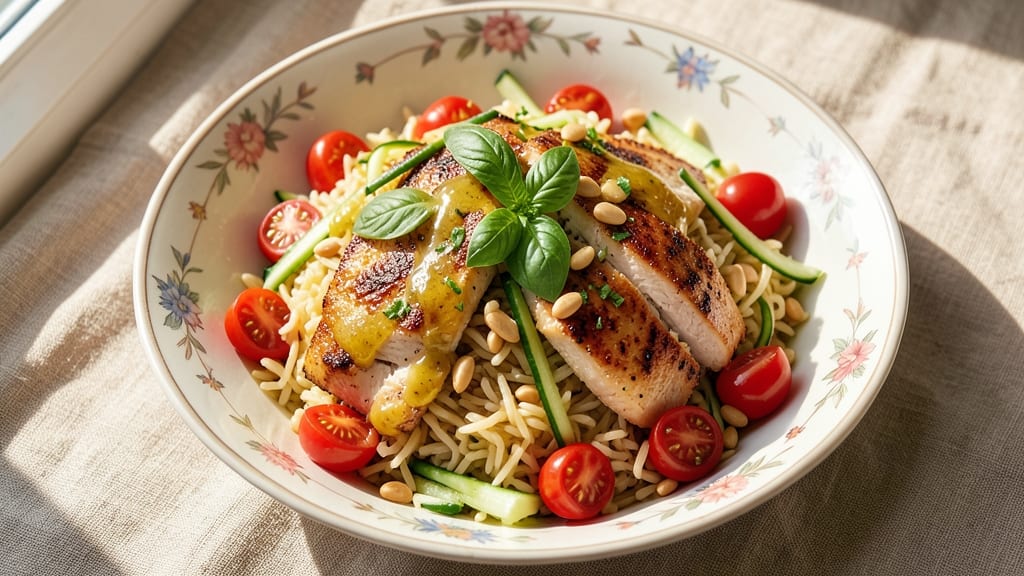
This best ever orzo salad recipe transforms simple pasta into a vibrant, herby masterpiece that shines at picnics, potlucks, or as a satisfying lunch.
The secret lies in perfectly cooked orzo that absorbs bright lemon zest, fresh herbs, and a tangy dressing without turning mushy—just tender yet al dente with every bite. I developed this after testing countless versions, and the balance of creamy orzo, crisp vegetables, and zesty dressing makes it irresistible.
What sets this orzo salad apart is the foolproof technique for cooking the pasta—al dente in broth instead of water—so it soaks up flavor without losing texture. Fresh herbs like parsley and basil add freshness, while lemon zest and a touch of garlic elevate the dish beyond basic pasta salads.
The dressing, a blend of olive oil, lemon juice, and Dijon mustard, ties everything together with a bright, tangy finish that keeps the salad fresh for days.
The result is a salad that’s restaurant-quality at home, packed with protein from feta or grilled chicken (or chickpeas for a vegetarian version) and crunch from cherry tomatoes and cucumbers.
It’s hearty enough to serve as a main dish but light enough for a side—perfect for meal prep or last-minute gatherings. The flavors only deepen as it sits, making it even more delicious the next day.
Ready to make this standout salad? The ingredients are simple, the steps straightforward, and the outcome guaranteed to impress. Whether you’re feeding a crowd or treating yourself to a fresh, flavorful lunch, this orzo salad delivers brightness, texture, and satisfaction in every forkful.
Ingredients for best ever orzo salad
Sixteen ingredients transform into a restaurant-quality orzo salad bursting with lemon zest and fresh herbs.
| Ingredient | Amount | Notes |
|---|---|---|
| Orzo Pasta 🍝 | 1 ½ cups | Uncooked, high-quality brand |
| Chicken Broth 💧 | 4 cups | Low-sodium preferred |
| Fresh Lemon Zest 🍋 | 1 tbsp | From organic lemons |
| Fresh Lemon Juice 🍋 | ⅓ cup | Freshly squeezed |
| Extra-Virgin Olive Oil 🫒 | ½ cup | Fruity, high-quality |
| Dijon Mustard 🍯 | 1 tbsp | Mild or hot variety |
| Fresh Flat-Leaf Parsley 🌿 | ½ cup | Chopped, stems removed |
| Fresh Basil Leaves 🌿 | ¼ cup | Chopped, packed |
| Garlic Cloves 🧄 | 3 cloves | Minced, fresh |
| Cherry Tomatoes 🍅 | 1 ½ cups | Halved, seedless |
| English Cucumber 🥒 | 1 whole | Diced, peeled |
| Crumbled Feta Cheese 🧀 | ½ cup | High-quality, salty |
| Salt 🧂 | 1 ½ tsp | Diamond Crystal kosher |
| Black Pepper 🌶️ | ½ tsp | Freshly ground |
| Red Wine Vinegar 🍷 | 1 tbsp | For tangy finish |
The orzo is the star—Barilla or De Cecco brands cook perfectly without mushiness. Chicken broth (low-sodium) is non-negotiable for flavor depth; skip the bouillon cubes. Fresh lemon zest from organic lemons (the thick yellow part only) adds that signature brightness. For the herbs, farmers market basil and parsley have more punch than grocery store bunches, but use what you have. Garlic? Three cloves, minced—don’t skip this for authentic flavor. The feta should be salt-cured (like Kalata or Greek feta) for that perfect tang.
No fresh herbs? Dried oregano at one-third the amount works in a pinch, but nothing beats fresh. Short on lemon? Substitute lime juice (same quantity) for a citrusy twist. The cucumber can be seedless Persian for less mess, and cherry tomatoes? Heirloom or grape tomatoes add prettier color. For extra protein, grilled chicken breast (6 oz per serving) or chickpeas (1 cup drained) fit perfectly. The dressing ratio—olive oil to lemon juice to Dijon—is key; adjust vinegar to taste for extra tang. Trader Joe’s has pre-minced garlic if you hate peeling cloves.
This salad tastes even better the next day—make extra for leftovers. Store in an airtight container with a paper towel to absorb moisture; keeps 4-5 days in the fridge. For meal prep, portion into mason jars (dressing on bottom) so it stays fresh for 5 days. The feta? Wrap in parchment paper to prevent sogginess. Freezes surprisingly well for 3 months if you skip the cucumber (add fresh when serving). Serve chilled or at room temperature—trust me on the room temp for maximum flavor.
Why You'll Love This Recipe
- No Boil Needed: I swear by this trick—just toast the orzo in olive oil first, then pour in warm broth. No pot to monitor, no waiting for water to boil. The grains stay al dente and soak up that rich, savory flavor like a dream.
- Citrus Magic: That lemon zest and juice? It’s the secret weapon. The zest gives a bright, almost floral lift, while the juice cuts through the richness of the olive oil. Honestly, it’s the difference between "good" and "I’ll make this again."
- Picnic Ready: Cold or room temp? Works both ways. Pack it in a jar for lunch, toss it in a basket for a beach day, or serve it straight from the fridge at a summer party. Between us, it’s my go-to for any gathering where I don’t want to haul a hot dish.
- Budget Brightener: Orzo’s cheap, broth’s cheap, and a lemon’s the only fresh thing you’ll need. Stretch it over a week with leftovers—it tastes just as good reheated (if you dare) or straight from the fridge. My wallet and my family thank me every time.
Step-by-step instructions for orzo salad with herbs and lemon zest
This method delivers restaurant-quality orzo salad with vibrant lemon brightness and perfectly al dente pasta.
Cook the Orzo in Chicken Broth
Bring the 4 cups chicken broth to a rolling boil in a medium saucepan over medium-high heat. Add the 1.5 cups orzo pasta and stir immediately to prevent clumping. The broth should cover the orzo by about an inch—this ensures even cooking without drying.
Reduce heat to medium-low and simmer for 12-14 minutes until the orzo is al dente—it should have a slight bite but be tender throughout. You'll know it's ready when the pasta floats to the surface and the edges are just beginning to soften. Drain immediately in a colander, shaking gently to remove excess liquid. Don't rinse—those starchy residues help the dressing cling beautifully.
Prepare the Lemon-Herb Dressing
In a small bowl, whisk together the 0.5 cup extra-virgin olive oil, 1 tbsp Dijon mustard, 0.33 cup fresh lemon juice, 1 tbsp fresh lemon zest, 1 tbsp red wine vinegar, 1.5 tsp salt, and 0.5 tsp black pepper. The dressing should emulsify into a smooth, glossy consistency—this is where the magic happens.
I like to add the 3 minced garlic cloves at this stage and let them infuse for 5 minutes before using. This allows the garlic to soften and release its aromatic oils without burning. The acidity from the lemon juice will prevent the garlic from overpowering the delicate flavors of the orzo and herbs.
Combine and Chill the Salad
Transfer the drained orzo to a large mixing bowl. Add the 1.5 cups halved cherry tomatoes, 1 diced English cucumber, 0.5 cup chopped fresh flat-leaf parsley, and 0.25 cup chopped fresh basil leaves. Toss gently to distribute the vegetables evenly throughout the pasta.
Pour the lemon-herb dressing over the orzo mixture and fold carefully with a wooden spoon or rubber spatula. The goal is to coat every strand of orzo while preserving the integrity of the vegetables. Sprinkle the 0.5 cup crumbled feta cheese over the top and fold it in just before serving—this keeps the feta from dissolving into the dressing.
Rest and Serve for Maximum Flavor
Cover the bowl with plastic wrap and refrigerate for at least 1 hour (I prefer 2-3 hours for the flavors to meld). This chilling period allows the lemon zest to brighten, the herbs to release their oils, and the feta to soften slightly. The orzo will absorb the dressing perfectly, creating a cohesive texture.
Before serving, give the salad one final toss to redistribute the dressing and feta. The salad should be vibrant, with the lemon zest adding a bright pop of color and the herbs lending fresh, aromatic notes. Serve chilled or at room temperature—this dish shines as a light lunch, refreshing side, or elegant appetizer.
Pro Tips For Making Best Ever Orzo Salad
- Cook orzo until al dente—then shock it: I learned this the hard way—overcooked orzo turns mushy when tossed with broth. Boil it for exactly 1 minute less than package instructions, then drain and immediately plunge into ice water for 30 seconds. The pasta stays firm, absorbs flavors better, and holds up when mixed with lemon and olive oil later.
- Use low-sodium broth: Unless you’re craving a salty bomb, skip the regular chicken broth. Even homemade versions pack hidden sodium that’ll overpower the bright lemon and delicate orzo. Low-sodium or homemade (with unsalted broth base) keeps the dish balanced—trust me, you’ll taste the difference when you drizzle that lemon juice.
- Zest first, then juice: Fresh lemon zest is your secret weapon, but timing matters. Toss the zest into the warm orzo before adding lemon juice—this lets the oils infuse while the pasta’s still hot. Then mix in the juice at room temperature. Any other order and you’re left with a sad, separated dressing instead of a cohesive, tangy bite.
- Toast the orzo in olive oil: This isn’t just for flavor—it’s texture insurance. After draining, toss the orzo in a cold skillet with 1 tablespoon of extra-virgin olive oil over medium heat for 2–3 minutes until lightly golden. The oil seals the edges, preventing sogginess when the salad sits, and adds a nutty depth that cuts through the broth’s richness. (Yes, even if you’re impatient like me.)
Pro cooking tips for perfect results
Broth Over Water
Cooking orzo in chicken broth instead of water transforms this salad from basic to extraordinary. The broth infuses the pasta with deep, savory notes that pair perfectly with the bright lemon dressing.
I always use low-sodium broth (like Pacific Foods or Swanson) to control salt levels—this way, you can adjust seasoning precisely. The broth also prevents the orzo from drying out, keeping it tender and flavorful. 💧
Al Dente Timing
Orzo cooks faster than you think—12-14 minutes is the sweet spot for perfect al dente texture. Test it at 12 minutes: drain a small piece, let it cool, and bite into it. It should have a slight resistance but still be tender.
Overcooking turns orzo mushy, while undercooking leaves it chalky. I set a timer and stir every 2 minutes to prevent sticking. A fine-mesh colander with holes large enough for excess broth to drain quickly is key.
Dressing Emulsion
The secret to a silky dressing lies in whisking olive oil and lemon juice vigorously until fully emulsified. Start with ½ cup olive oil and gradually add the lemon juice while whisking—this prevents separation. For extra insurance, add 1 tsp Dijon mustard first, as it acts as a natural emulsifier.
I like to let the dressing sit for 5 minutes before using, which allows flavors to meld. If it starts to separate later, just whisk again—it’ll come back together beautifully. 🍋
Herb Freshness
Fresh herbs make all the difference—parsley and basil should be bright and vibrant, not wilted. I chop them just before tossing with the orzo to preserve their aroma and color. For maximum flavor, use 1 tbsp chopped parsley and ½ cup chopped basil (packed).
If using dried herbs, reduce to 1 tsp and add them to the dressing instead. The herbs should be evenly distributed throughout the salad, so fold them in gently after adding the dressing to avoid bruising the leaves.
Feta Timing
Adding feta cheese at the very end is crucial—it keeps the cheese from dissolving into the dressing and becoming grainy. Sprinkle it over the salad right before serving and fold it in just enough to distribute it evenly.
For extra salty flavor, use Kalata feta and reduce the overall salt in the dressing by ½ tsp. If you prefer a milder taste, opt for Greek feta and increase the lemon zest to 2 tbsp for brightness. 🧀
Chilling for Flavor
Letting the salad chill for at least 1 hour (or up to 3 hours) allows the flavors to develop fully. The lemon zest brightens, the herbs release their oils, and the feta softens slightly.
I always cover the bowl with plastic wrap pressed directly onto the surface to prevent a skin from forming. For meal prep, store in an airtight container with a paper towel on top to absorb excess moisture—this keeps the salad crisp for 4-5 days in the fridge. ✨
Nutrition facts
Frequently asked questions
Can I make this orzo salad without chicken broth?
Yes! Use 4 cups vegetable broth for a vegetarian version or 4 cups water + 1 tsp bouillon powder for a budget-friendly option. For extra flavor, add 1 tsp dried herbs (like thyme or oregano) to the broth. The broth is key for flavor—don't skip it entirely, or the orzo will taste bland.
How do I prevent the orzo from getting mushy?
Cook it al dente (12-14 minutes) and drain immediately in a colander. Never rinse—those starchy residues help the dressing cling. For extra insurance, spread the orzo on a baking sheet to cool for 5 minutes before adding dressing. Also, avoid overcrowding the pan while cooking.
Can I add protein to this salad?
For a hearty version, add 1 cup grilled chicken breast (diced) or 1 cup chickpeas (rinsed and drained). Fold them in after adding the dressing but before the feta. For extra protein, try ½ cup crumbled bacon or ½ cup diced avocado (add just before serving).
Why does my dressing separate?
This happens when oil and vinegar aren't properly emulsified. First, whisk the Dijon mustard into the oil before adding lemon juice. For extra stability, add 1 tsp honey or 1 tsp cornstarch to the dressing. If it separates later, just whisk vigorously before serving—it'll come back together.
Can I make this salad ahead of time?
Yes! This salad tastes even better the next day. Store in an airtight container with a paper towel on top to absorb moisture. Keep it refrigerated for up to 4-5 days. For meal prep, assemble everything except the feta, store separately, and add it fresh when serving to maintain texture.