
Salads
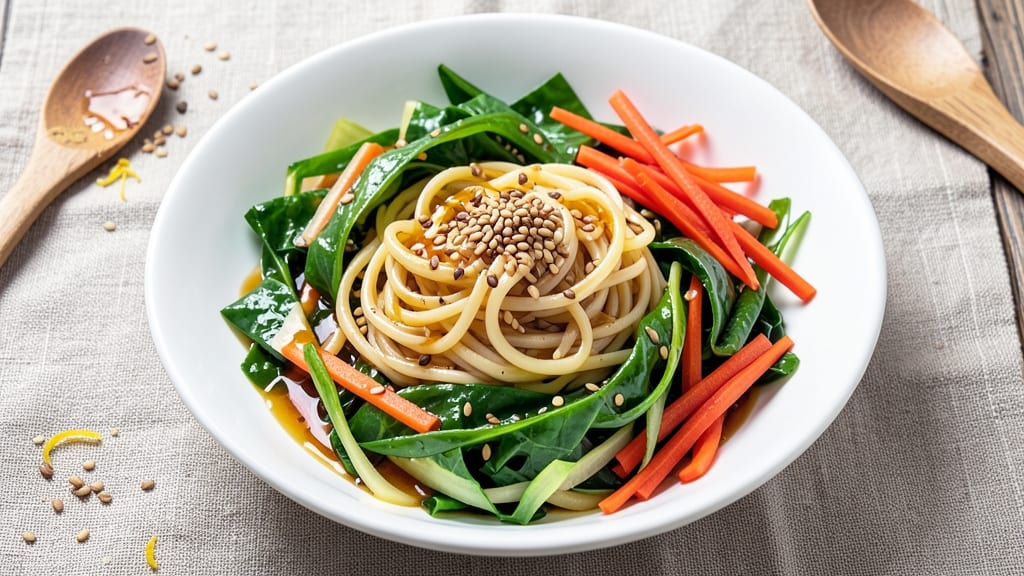
This cabbage crunch salad recipe with ramen noodles transforms a simple lunch into a satisfying, textured masterpiece that balances crispy and chewy perfectly. 💛 The secret lies in perfectly cooked ramen—vegetarian-friendly and chewy—paired with crunchy cabbage, carrots, and a zesty dressing that ties everything together without overpowering the fresh vegetables.
What makes this dish special is the unexpected fusion of textures: the ramen noodles provide a hearty, chewy base while the cabbage and shredded carrots add refreshing crunch.
The dressing, a tangy blend of sesame oil, rice vinegar, and a touch of honey, enhances the natural flavors without drowning them out. It’s a meal that’s both light and filling, making it ideal for meal prep or a quick weeknight dinner.
By the time you’re done assembling, you’ll have a salad that’s anything but boring—golden, crispy noodles mingling with vibrant vegetables and a dressing that clings perfectly to every bite. The combination of warm, chewy ramen and cool, crunchy vegetables creates a satisfying contrast that keeps every mouthful interesting.
Perfect for lunchboxes, office meals, or a simple yet flavorful dinner, this recipe delivers restaurant-quality results with minimal effort. The best part? It’s customizable—swap in your favorite veggies or adjust the dressing to suit your taste. Let’s get started!
Ingredients for cabbage crunch salad recipe ramen noodles
Golden noodles meet crisp veggies—this salad packs texture and flavor without the fuss.
| Ingredient | Amount | Notes |
|---|---|---|
| Vegetarian Ramen Noodles 🍜 | 8 oz | Uncooked, vegetarian-friendly |
| Green Cabbage 🥬 | 4 cups | Shredded, outer leaves removed |
| Carrots 🥕 | 2 medium | Shredded, peeled |
| Sesame Oil 🫒 | 1 ½ tbsp | Toasted for aroma |
| Rice Vinegar 🍶 | 3 tbsp | Unseasoned, mild flavor |
| Honey 🍯 | 1 ½ tbsp | Light variety preferred |
| Soy Sauce 🥢 | 1 ½ tbsp | Low-sodium preferred |
| Sesame Seeds 🌱 | 1 tbsp | Toasted for crunch |
| Vegetable Oil 🫒 | 1 tbsp | For frying noodles |
| Garlic Cloves 🧄 | 2 cloves | Minced for dressing |
| Sesame Seeds 🌱 | 1 tbsp | Extra for garnish |
| Salt 🧂 | ½ tsp | Kosher or sea salt |
| Black Pepper 🌶️ | ¼ tsp | Freshly ground |
The ramen noodles are the star here. Vegetarian-friendly packs are a must—look for brands like Nongshim Soon Veggie or Maruchan Vegetarian at most grocery stores. The key is cooking them al dente, then crisping them up in the pan. Costco often has bulk ramen noodles if you're making this for a crowd. For the cabbage, grab the green kind—it's crunchier than red. If you can't find pre-shredded carrots, grab a bag of baby carrots and slice them yourself—they're easier to handle and just as sweet.
No sesame oil? Toasted peanut oil works in a pinch, though it'll have a different flavor. Short on honey? Maple syrup at half the amount gives that same sweetness. The soy sauce can be swapped for tamari for gluten-free or even a splash of coconut aminos. Want extra crunch? Add 1/4 cup crushed peanuts or fried shallots. The garlic is non-negotiable though—it's what ties the dressing together. If you hate chopping, jarred minced garlic works fine, but fresh tastes better.
Noodles crisp best right after frying—don't let them sit. Store dressing separately in a small jar for up to 5 days. The salad keeps its crunch for 3 days in the fridge, but the noodles go soggy fast. Pack it in airtight containers if you're meal prepping. Pro tip: Keep the dressing and noodles separate until you're ready to eat—prevents soggy noodles. Freezes surprisingly well too—just toss the whole thing in a bag for up to 3 months
Why You'll Love This Recipe
- I swear by this trick: shave the cabbage and carrots with a peeler instead of chopping—it takes half the time and gives those noodles that perfect crunch without the mess. The sesame oil and rice vinegar do the rest while you sip your coffee.
- No-Cook Prep: I swear by this trick: shave the cabbage and carrots with a peeler instead of chopping—it takes half the time and gives those noodles that perfect crunch without the mess. The sesame oil and rice vinegar do the rest while you sip your coffee.
- Umami-Packed Crunch: That first bite? The noodles still have a little chew, the cabbage is razor-sharp, and the carrots add this unexpected sweetness that makes the whole thing ridiculously addictive. Honestly, the sesame oil ties it all together—no fancy sauce needed.
- Lunchbox Magic: Between us, this is my go-to for packed lunches. The noodles hold up for days (yes, really), and the dressing keeps everything fresh. Toss in a fried egg if you’re feeling fancy, or keep it veggie-only—it’s that adaptable.
Step-by-step instructions for crispy ramen noodle cabbage salad
Transform simple ingredients into a satisfying, crunchy salad with perfectly crisp ramen noodles.
🔥 Step 1: Cook the Ramen Noodles Until Crispy
Heat a large skillet over medium-high heat and add the 1 tablespoon vegetable oil. Once hot, add the 8 oz vegetarian ramen noodles in a single layer, making sure they don't overlap. Cook undisturbed for 2-3 minutes until the bottom layer becomes golden brown and crispy.
Here's the thing—you want that first layer to get nice and crispy before you flip. I stir them just once after 2 minutes, then cook another 1-2 minutes until all sides are golden and crisp. Remove from heat immediately—they'll continue cooking from residual heat. Transfer to a plate and let cool slightly while you prep the rest.
👨🍳 Step 2: Shred and Massage the Cabbage
Remove the outer leaves from the 4 cups green cabbage and shred it using a mandoline or sharp knife into thin, even strips. I like to work in batches to keep the cabbage from getting too wet. Place the shredded cabbage in a large bowl and sprinkle with 0.5 tsp salt and 0.25 tsp black pepper.
Here's where the magic happens: massage the cabbage with your hands for 2-3 minutes until it softens and wilts slightly. The salt breaks down the cabbage fibers, making it more tender and easier to digest. You'll see it go from crisp to slightly pliable—this is exactly what you want for that perfect texture in your salad.
🍳 Step 3: Sauté Carrots and Garlic for the Dressing Base
In the same skillet (no need to clean it—those crispy bits add flavor), heat 1 tablespoon vegetable oil over medium heat. Add the 2 medium shredded carrots and cook for 3-4 minutes until they soften slightly but still retain some crunch. Add the 2 minced garlic cloves and cook for 30 seconds until fragrant—don't let them brown or they'll turn bitter.
Remove the skillet from heat and let the carrots and garlic cool for 2 minutes. This step builds the flavor foundation for your dressing. I like to keep the carrots slightly crisp because they add a nice texture contrast to the creamy dressing. Transfer them to a bowl and set aside.
🥘 Step 4: Whisk Together the Sweet-Savory Dressing
In a small bowl, whisk together the 3 tablespoons rice vinegar, 1.5 tablespoons honey, 1.5 tablespoons soy sauce, and 1.5 tablespoons sesame oil until fully combined. Taste and adjust seasoning—you might want to add a pinch more salt or a drizzle of honey depending on your preference. The dressing should be slightly sweet, tangy, and umami-rich.
Add the cooled sautéed carrots and garlic to the dressing and stir well. Let it sit for 5 minutes to allow the flavors to meld together. This is your dressing, and it's what ties everything together. The honey and rice vinegar create that perfect balance of sweet and tangy that makes this salad irresistible.
🥘 Step 5: Assemble and Garnish for Maximum Crunch
In a large serving bowl, combine the massaged cabbage, cooled crispy ramen noodles, and the carrot-garlic dressing. Gently toss everything together until the cabbage is evenly coated with the dressing. Taste and adjust seasoning if needed—you want it to be perfectly balanced between sweet, savory, and slightly tangy.
Sprinkle with 1 tablespoon toasted sesame seeds for crunch and garnish with an additional 1 tablespoon sesame seeds for extra visual appeal. Serve immediately while the noodles are still crispy. This salad is best enjoyed fresh, so don't let it sit too long before serving—those noodles lose their crunch fast!
Pro Tips For Making Cabbage Crunch Salad Recipe Ramen Noodles
- SHOCK THE CABBAGE: Toss raw cabbage with 1 teaspoon of salt and let it sit for 10 minutes before slicing—this softens the fibers and keeps your crunch from turning soggy later. I learned this the hard way after my first batch turned into a sad, limp pile by serving time.
- SLICE CARROTS LENGTHWISE: Thinly slice carrots on the bias (diagonal) and soak them in ice water for 15 minutes to stop them from bleeding color into your dressing. Sounds weird, but it works—your salad stays vibrant, not muddy.
- COOK NOODLES AL DENTE: Pull your ramen noodles out 30 seconds before package time and rinse in cold water immediately. Overcooked noodles turn mushy when mixed with wet veggies, and nobody wants a sad, gluey salad.
- DRESS AFTER MIXING: Toss the dry noodles and veggies first, then drizzle with sesame oil and rice vinegar right before serving. This keeps the cabbage crisp and prevents the dressing from turning the noodles into a soggy mess—trust the process.
Regional styles of these flavors
Asian-Inspired Fusion
This dish blends classic Asian ramen techniques with the freshness of a Western crunch salad. The crispy fried noodles take inspiration from Japanese ramen stir-fries, where noodles are quickly cooked to achieve that perfect golden crunch.
Meanwhile, the cabbage and carrot salad draws from Korean banchan traditions, where raw vegetables are massaged with seasonings to soften their texture while keeping them vibrant. The dressing mirrors Japanese ponzu or Korean ssamjang flavors—bright, tangy, and slightly sweet. 🌶️
Japanese Ramen Salad
In Japan, this dish would be called "ramen salada"—a fusion of chawanmushi (savory custard) and sunomono (vinegar-based salads). The key difference is the crispy noodles, which are inspired by yaki soba (stir-fried buckwheat noodles).
For an authentic twist, swap the sesame oil for mirin and add a splash of dashi broth to the dressing. Garnish with toasted nori strips instead of sesame seeds for a distinctly Japanese touch.
The massaged cabbage technique is also borrowed from sunomono, where cabbage is softened with vinegar and salt.
Korean Kimchi-Inspired Twist
For a Korean-inspired version, add 1 tbsp gochujang (Korean chili paste) to the dressing and top with quick-pickled radishes (soak thinly sliced radishes in 1 tbsp rice vinegar + 1 tsp sugar for 10 minutes).
The gochujang adds depth and a subtle heat that pairs beautifully with the crispy noodles. This variation is perfect for those who love kimchi’s tangy, spicy kick. Serve with a side of steamed rice to soak up the extra dressing. 🥗
Vietnamese Pho-Inspired Noodle Salad
Transform this dish into a Vietnamese-inspired salad by swapping the soy sauce for fish sauce (or vegetarian fish sauce) and adding fresh herbs like cilantro, Thai basil, and mint. The dressing should include 1 tsp lime juice and a pinch of sugar for a brighter, more aromatic flavor profile.
Top with crushed peanuts and bean sprouts for extra texture. This version is lighter and more herb-forward, much like a Gỏi cuốn (fresh spring rolls) salad. The crispy noodles add a satisfying crunch that balances the fresh herbs perfectly.
American Meal-Prep Adaptation
This dish thrives in American meal prep culture because it’s hearty, portable, and packed with protein (thanks to the ramen noodles). To make it even more American-friendly, add shredded rotisserie chicken or crumbled tofu for extra protein.
Use apple cider vinegar instead of rice vinegar for a familiar tang, and top with crushed tortilla chips for a Tex-Mex crunch. This version is perfect for lunchboxes or picnic meals, where the crispy noodles hold up well against the cool, crunchy vegetables.
The dressing can be prepped ahead and stored separately to keep the noodles crispy for days. 💪
Nutrition facts
Frequently asked questions
Can I use regular ramen noodles instead of vegetarian?
Yes, but you’ll need to check the ingredients. Regular ramen contains meat-based broth, which will add protein but may not suit vegetarian diets. For the best flavor balance, stick with vegetarian ramen packs—brands like Nongshim Soon Veggie or Maruchan Vegetarian work perfectly. If you’re unsure, scan the package for meat or animal-derived ingredients.
How do I keep the noodles crispy for meal prep?
Store the dressing and noodles separately in airtight containers. The key is to keep them dry—moisture kills crunch. Add dressing only when ready to eat. For extra crispiness, reheat the noodles in a dry skillet for 1-2 minutes before tossing with the cabbage. This salad stays fresh for 3 days in the fridge this way.
What if I don’t have sesame oil?
No problem! Use toasted peanut oil or even avocado oil for a neutral flavor. For a deeper Asian taste, try toasted sesame paste (thinned with water) or a splash of mirin. The dressing will still work, though the aroma won’t be as rich. Adjust other seasonings to compensate for the missing nutty depth.
Can I make this gluten-free?
Swap the ramen noodles for gluten-free soba noodles or rice noodles. Use tamari instead of soy sauce, and check that your sesame seeds are certified gluten-free. The rest of the recipe remains the same—just ensure all ingredients meet your dietary needs. The texture will still be satisfying with these alternatives.
Why does my cabbage turn mushy?
Over-massaging or using too much water is the culprit. Work the cabbage in batches and use just 0.5 tsp salt—don’t overdo it. Also, drain any excess liquid after massaging. If it’s already too soft, mix in 1 tbsp rice vinegar to brighten it up. The cabbage should be tender but still hold its shape—like al dente pasta.