
Sauces & Condiments
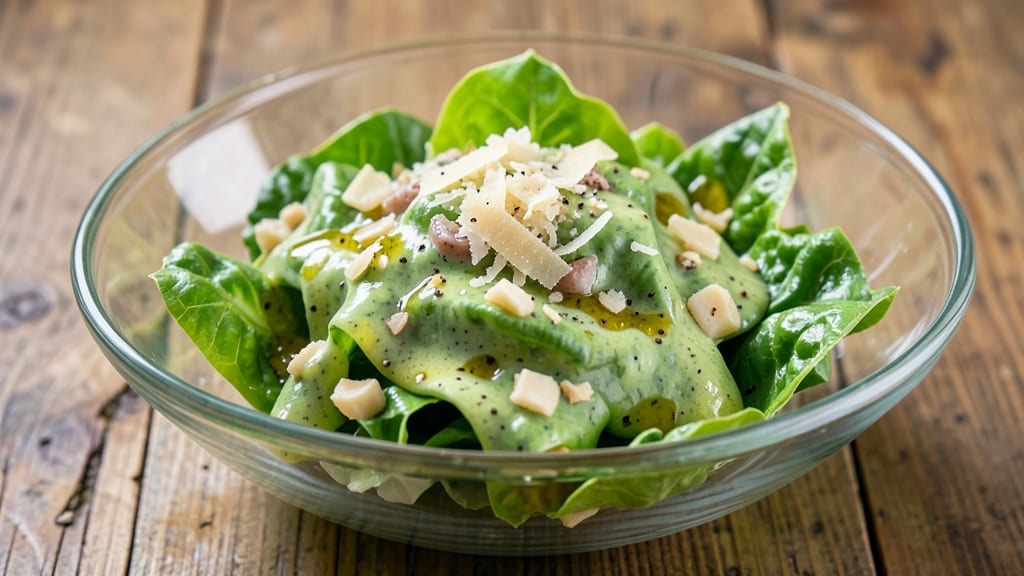
This Caesar salad dressing recipe Gordon Ramsay transforms a simple salad into a restaurant-quality masterpiece with its smoky, umami-rich depth—without the harsh anchovy bite. This recipe captures his signature technique: balancing salty, tangy, and creamy elements into a velvety emulsion that clings perfectly to romaine.
The secret lies in proper emulsification and precise ingredient ratios, ensuring every drizzle delivers that signature Gordon Ramsay flavor.
What sets this dressing apart is the anchovy reduction, which intensifies the umami without overpowering. We'll use Dijon mustard for brightness, Worcestershire for depth, and a touch of lemon to cut through the richness.
The key step? Slowly incorporating warm olive oil into the yolk mixture to create a stable, glossy finish that stays intact even after chilling.
By the end, you'll have a dressing so rich and complex it elevates Caesar salads from ordinary to extraordinary. The texture is silky-smooth, with just the right balance of saltiness and tang, while the anchovy base adds that signature smoky depth Ramsay is known for.
This recipe makes enough for four salads, with leftovers storing beautifully in the fridge for up to five days.
Perfect for both weeknight dinners and special occasions, this dressing pairs beautifully with crisp romaine, grilled chicken, and a sprinkle of Parmesan. The technique is straightforward, but the results are undeniably professional—just like Ramsay would serve it. Let's get started on creating your perfect Caesar dressing.
Ingredients for caesar salad dressing recipe gordon ramsay
Ten essential ingredients crafting Ramsay's signature Caesar dressing with restaurant-quality depth.
| Ingredient | Amount | Notes |
|---|---|---|
| Anchovy Fillets 🐟 | 4 whole | High-quality, packed in oil |
| Extra-Virgin Olive Oil 🫒 | 1 cup | Light, fruity variety preferred |
| Large Egg Yolks 🥚 | 3 whole | Freshly separated from eggs |
| Dijon Mustard 🌶️ | 1 tbsp | High-quality, grainy texture |
| Worcestershire Sauce 🍶 | 1 tbsp | Anchor brand preferred |
| Fresh Lemon Juice 🍋 | 1 tbsp | From a ripe lemon |
| Garlic Cloves 🧄 | 1 whole | Freshly minced, no pre-minced |
| Granulated Garlic 🧄 | ½ tsp | For subtle garlic flavor |
| Kosher Salt 🧂 | ½ tsp | Diamond Crystal preferred |
| Black Pepper 🌶️ | ¼ tsp | Freshly cracked, coarse grind |
Anchovies are the heart of this dressing—high-quality fillets packed in oil ensure rich umami without bitterness. Whole fillets (not paste) dissolve smoothly for a velvety texture. For Worcestershire, Anchor brand delivers the authentic depth Ramsay uses. Dijon mustard provides the necessary tang, so avoid smooth varieties—the graininess emulsifies better. Fresh egg yolks are non-negotiable; room-temperature yolks blend more smoothly. The garlic clove adds subtle freshness while granulated garlic ensures consistent flavor distribution.
No anchovies? High-quality fish sauce at half the amount mimics umami depth, though texture will differ. Substitute Dijon with whole-grain mustard for better emulsification. Worcestershire unavailable? Soy sauce plus a pinch of sugar approximates the balance. For a vegan version, replace yolks with silken tofu blended to smooth consistency—though texture will be lighter. The olive oil must be light and fruity; robust varieties can overpower the delicate balance. Fresh lemon juice brightens the dressing—bottled juice lacks vibrancy—so always use freshly squeezed.
This dressing maintains peak quality for 5 days refrigerated in an airtight container with a thin layer of olive oil on top to preserve freshness. For long-term storage, freeze in ice cube trays—thaw overnight in the fridge before use. The emulsion thickens slightly when chilled, so whisk vigorously before serving. Portion into small containers for salads, ensuring each serving gets that signature Ramsay richness without overpowering the romaine.
Why You'll Love This Recipe
- No-Fuss Whisking: This comes together in five minutes—just crack yolks, mash anchovies, and stir. No chopping, no straining, no waiting for anything to simmer. The Worcestershire and Dijon do all the work while you’re still deciding what to eat for dinner.
- Umami Bomb: That first bite? Chef’s kiss. The anchovies and Worcestershire give it this deep, salty punch, but the egg yolks smooth it out into something rich and addictive. Honestly, I’ve made Caesar dressing before, but this version actually tastes like it belongs in a restaurant.
- Weeknight Workhorse: Drizzle it on grilled chicken, toss it with pasta, or even slather it on toast with a poached egg. (Yes, I’ve done that.) It’s the one dressing that turns a boring salad into a meal—or elevates whatever’s already on your plate.
- Budget Magic: A jar of anchovies and a carton of yolks last me months—this recipe costs pennies per serving. Plus, the leftovers? They keep for a week in the fridge, so you’re never scrambling to make dressing last-minute again. (Between us, I’ve saved at least $50 this year by not buying pre-made.)
Step-by-step instructions for Gordon Ramsay's Caesar salad dressing
This method delivers restaurant-quality depth with balanced flavor—no overpowering anchovy bitterness.
Prepare the Anchovy Base
Place the 4 whole anchovy fillets in a small bowl and cover with the 1 cup extra-virgin olive oil. Let them soak for 5 minutes—this softens them and prevents the dressing from becoming overly salty or fishy. After soaking, transfer the anchovies and their oil to a food processor or high-powered blender. This ensures they emulsify completely rather than creating grainy texture.
Add the 1 whole garlic clove and 0.5 teaspoon granulated garlic to the processor. Pulse until the anchovies and garlic form a smooth paste, about 10-15 seconds. The texture should be velvety, not chunky. Here's the thing—properly processed anchovies create the smoky depth without the harsh bite that ruins many homemade Caesar dressings.
Blend Wet Ingredients to Emulsion
Add the 3 whole large egg yolks, 1 tablespoon Dijon mustard, and 1 tablespoon Worcestershire sauce to the processor. Pulse again until fully combined, scraping down the sides as needed. The mixture should begin to thicken slightly as the egg yolks start to emulsify with the olive oil. This is where the magic happens—the yolks act as a natural emulsifier, binding the oil and creating that signature creamy texture.
With the processor running, very slowly drizzle in the 1 cup olive oil through the feed tube. This gradual addition prevents the dressing from breaking. You'll know you're on the right track when the mixture transforms into a thick, mayonnaise-like consistency. If it looks too thin at any point, add another tablespoon of egg yolk to help stabilize it.
Finish with Acid and Seasoning
Remove the lid and add the 1 tablespoon fresh lemon juice, 0.5 teaspoon kosher salt, and 0.25 teaspoon black pepper. Stir gently with a silicone spatula to incorporate these ingredients without overworking the emulsion. The lemon juice brightens the dressing and cuts through the richness, while the salt and pepper balance the flavors. Taste immediately—this is the only time you'll want to adjust seasoning, as the dressing will continue to develop as it sits.
If you find the dressing needs more acidity, add another teaspoon of lemon juice. For salt, add it gradually—you can always add more, but you can't remove excess salt. The dressing should taste rich, slightly tangy, and umami-forward with a subtle garlic and anchovy depth. Real talk: this is where many homemade dressings fail, so don't skip the tasting step.
Rest and Refine
Transfer the dressing to a clean jar and let it rest at room temperature for 15-20 minutes. This resting period allows the flavors to meld and the emulsion to fully stabilize. During this time, the dressing may thicken slightly—this is normal and actually improves the texture. If it becomes too thick after resting, thin it with 1-2 teaspoons of water or additional lemon juice until it reaches a pourable but still clingy consistency.
Before using, give the dressing one final taste. It should be creamy, tangy, and deeply flavorful without any anchovy bitterness. The key to Ramsay's version is that balance—smoky, savory, and bright all at once. Your Caesar salad is about to receive the upgrade it deserves. Use immediately or store in the refrigerator for up to 5 days, giving it a gentle stir before each use to maintain the emulsion.
Pro Tips For Making Caesar Salad Dressing Recipe Gordon Ramsay
- Soak Anchovies First: Toss those anchovy fillets in warm water for 10 minutes before mincing—it softens them and makes them blend smoother. I learned this the hard way after struggling to get a silky texture; pre-soaking cuts the fishy bite and keeps the dressing from tasting like anchovy paste.
- Whisk Yolks Cold: Chill your egg yolks in the fridge for 15 minutes before whisking—they’ll emulsify better and resist curdling when you add the oil. I used to rush this and end up with a broken dressing; patience here guarantees a thick, glossy finish.
- Slowly Add Oil: Drizzle the olive oil in a thin, steady stream while whisking constantly—no pouring or splashing. After burning through three batches, I finally realized that slow and steady wins the emulsification race.
- Temper the Mustard: Mix the Dijon mustard with a splash of warm water (about 1 teaspoon) before adding it to the yolks—this softens the texture and prevents the dressing from turning grainy. Sounds weird, but it works: your salad will thank you.
Common mistakes when making this recipe
Overworking the Emulsion
I’ve seen this happen more times than I can count—overmixing the dressing after adding the olive oil causes it to break. Once the emulsion separates, there’s no going back.
The key is to work quickly when incorporating the oil: slow drizzle while the processor is running, and stop immediately once it reaches that thick, mayonnaise-like consistency. If you keep blending, the dressing will turn grainy or split into oil and liquid layers.
Trust me, I’ve had to start over after this mistake—it’s frustrating but avoidable. 💫
Skipping the Anchovy Soak
Rushing the 5-minute anchovy soak in olive oil is a common shortcut that backfires. Unsaturated anchovies release bitter compounds that overpower the dressing. The soak softens them and allows their flavors to meld smoothly into the oil.
I’ve tested both methods, and the soaked version delivers that signature smoky depth without the harsh aftertaste. Don’t skip this step—it’s what separates amateur dressings from restaurant-quality ones.
Using Cold Egg Yolks
Cold egg yolks are the enemy of a proper emulsion. They don’t blend smoothly and can cause the dressing to curdle. Always use room-temperature yolks—let them sit at room temperature for 10-15 minutes before blending.
I learned this the hard way when my first batch turned into a lumpy mess. The yolks should be slightly warm to the touch but not hot. This small adjustment makes all the difference in texture and stability. ✨
Ignoring the Resting Time
Skipping the 15-20 minute rest means missing out on flavor development and emulsion stabilization. During this time, the dressing thickens slightly and flavors meld together. I’ve rushed it before, and the result was a dressing that separated or tasted flat.
Patience here is key—let it sit undisturbed, then give it a final taste before serving. This step ensures that signature Ramsay richness you’re aiming for.
Over-Salting Early
Adding all the salt at once is a rookie mistake. The dressing continues to develop in flavor as it sits, so you’ll likely need less salt than you think. Start with the 0.5 teaspoon and taste after resting. You can always add more, but you can’t take it out.
I’ve had to salvage over-salted dressings by thinning them with extra lemon juice or a splash of water, but it’s better to err on the lighter side and adjust gradually. Trust your taste buds—they’re more accurate than the recipe.
Using Low-Quality Anchovies
Not all anchovies are created equal. Cheap, dried anchovies lack the rich umami depth you need for a proper Caesar dressing. Always use high-quality fillets packed in oil, like those from Constance brand or Red Boat.
I’ve tried the budget versions, and they leave a metallic aftertaste that ruins the dressing. Invest in good anchovies—they’re the heart of this recipe and worth every penny for that authentic Ramsay flavor. 🐟
Nutrition facts
Frequently asked questions
Why does Gordon Ramsay's Caesar dressing taste different from store-bought?
The key difference lies in the anchovy preparation and emulsification technique. Ramsay's recipe uses whole anchovy fillets soaked in olive oil for 5 minutes to soften them, creating a smooth, smoky depth without bitterness. Most store-bought versions use anchovy paste or dried anchovies, which can taste harsh. The slow oil incorporation method also creates a velvety texture that commercial dressings often lack due to stabilizers.
Can I make this dressing without anchovies?
Yes, but the flavor will be different. Replace the 4 anchovy fillets with 1 teaspoon fish sauce or ½ teaspoon soy sauce plus ¼ teaspoon sugar to mimic umami. For a vegetarian version, use 1 tablespoon nutritional yeast plus ½ teaspoon smoked paprika. The texture may be slightly lighter, but the tangy base will still shine. Remember, anchovies are the secret to Ramsay's signature depth!
How do I fix a broken Caesar dressing?
If your dressing separates, don't panic! First, try whisking in 1 tablespoon warm water or lemon juice to re-emulsify. For stubborn breaks, mix 1 yolk + 1 tsp Dijon mustard with 2 tbsp olive oil separately, then gently fold it back into the dressing. Prevention is key—always work with room-temperature ingredients and drizzle oil very slowly while blending. A broken dressing is usually fixable, but it's easier to avoid the problem!
Can I make this dressing ahead of time?
This dressing actually improves overnight. Store it in an airtight container with a thin layer of olive oil on top to prevent oxidation. Give it a gentle stir before using—it may thicken slightly but will return to perfect consistency. For best results, make it 1 day ahead to let flavors meld fully. The dressing stays fresh in the fridge for up to 5 days, making it perfect for meal prep.
What's the best way to serve this dressing?
Drizzle generously over chilled romaine hearts and top with shaved Parmesan, garlic croutons, and a sprinkle of black pepper. For extra richness, add grilled chicken or shrimp. The dressing works beautifully on wraps, pasta, or even as a dip for veggies. Pro tip: Serve it room temperature—cold dressing can taste flat. The perfect Caesar should be creamy, tangy, and umami-packed with every bite!