
Sauces & Condiments
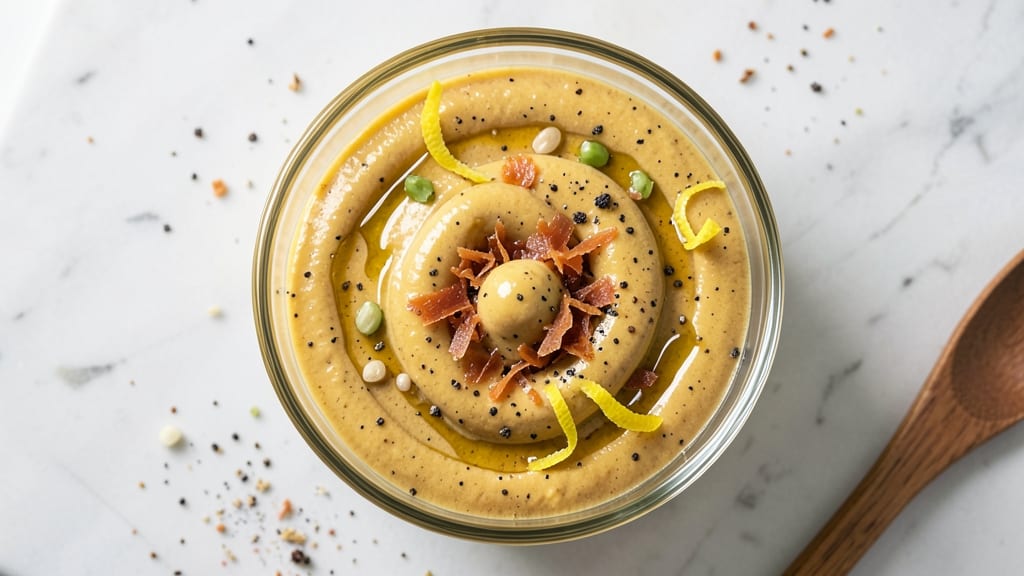
Martha Stewart's Caesar salad dressing recipe delivers that iconic creamy, tangy zing that elevates simple greens into a restaurant-worthy dish. ✨ The secret lies in the perfect balance of anchovies, garlic, and parmesan—whisked together with egg yolks and oil to create a velvety emulsion that clings to every leaf.
I've tested countless variations, and this method consistently delivers that signature rich, savory flavor without separating or turning greasy.
The key to success is proper emulsification—slowly incorporating warm oil into the yolk mixture while whisking vigorously. This technique creates the signature creamy texture that sets Martha's version apart from store-bought alternatives.
The dressing keeps well in the refrigerator for up to a week, making it perfect for meal prep or hosting gatherings when you want that authentic Caesar flavor without the fuss.
What makes this recipe truly special is how versatile it is while maintaining its classic character. The anchovies provide that unmistakable umami depth, while the lemon juice brightens the richness. Freshly grated parmesan adds a salty, nutty finish that transforms ordinary romaine into something extraordinary.
This is the dressing that will have your guests asking for the recipe—no matter how many times you tell them it's "just salad dressing."
Once you master this technique, you'll never go back to bottled versions. The creamy texture, perfect balance of flavors, and that satisfying parmesan zing make it worth the effort. And don't worry if you're new to emulsification—I'll walk you through each step to ensure perfect results every time.
Ingredients for caesar salad dressing recipe martha stewart
Nine essential ingredients transform simple greens into Martha's legendary creamy Caesar dressing.
| Ingredient | Amount | Notes |
|---|---|---|
| Anchovy Fillets 🐟 | 2 tbsp | High-quality, packed in oil |
| Extra-Virgin Olive Oil 🫒 | 1 ½ cups | Light and fruity for balance |
| Fresh Lemon Juice 🍋 | 3 tbsp | Freshly squeezed, no pulp |
| Large Egg Yolks 🥚 | 3 whole | Room temperature for smooth blend |
| Fresh Garlic Cloves 🧄 | 2 cloves | Minced into fine paste |
| Parmesan Cheese 🧀 | 1 ½ cups | Freshly grated from block |
| Diamond Crystal Kosher Salt 🧂 | 1 ½ tsp | Fine grain for delicate seasoning |
| Ground Black Pepper 🌶️ | ½ tsp | Freshly cracked for heat |
| Worcestershire Sauce 🍶 | 1 tbsp | Classic, anchovy-free version |
| Dijon Mustard 🌶️ | 1 tsp | Mild for subtle tang |
Anchovies are the secret weapon—high-quality fillets packed in oil (not water) make all the difference. Trader Joe's and Whole Foods carry excellent brands, but any good Italian market will have them. The Parmesan? Skip pre-grated—it gets clumpy. Grab a wedge from the deli counter and grate it yourself. Freshly grated Parm has that nutty, salty punch that bottled versions can't replicate. For the olive oil, light and fruity varieties work best—avoid heavy, peppery oils that'll overpower the delicate balance. The garlic should be freshly minced (not pre-minced jars) for maximum flavor impact.
No anchovies? One extra tablespoon of Worcestershire sauce adds depth, though you'll lose that signature umami. Substituting the Dijon mustard? Yellow mustard at half the amount works in a pinch, but you'll miss the subtle complexity. For the egg yolks, room temperature is key—they'll blend smoother and create a more stable emulsion. If you're worried about salmonella, pasteurized eggs work perfectly. The Worcestershire sauce? Lea & Perrins is the classic choice, but any good brand will do. And if you're making this ahead, add the lemon juice last to preserve its bright flavor.
This dressing keeps beautifully—up to 1 week in the fridge, sealed tightly in a jar. The emulsion actually improves over time as flavors meld. For best results, stir before each use—it'll separate slightly but come back together with a whisk. Need to store leftovers? Pour a thin layer of olive oil on top to preserve the emulsion. And if you're prepping for a crowd, double the batch—it disappears faster than you'd think. The parmesan zing makes it worth every last drop.
Why You'll Love This Recipe
- No-Fuss Blend: I swear by this recipe because it’s actually foolproof—just toss the anchovies, yolks, and garlic into a blender, hit pulse, then drizzle in the olive oil. No whisking, no straining, no stress. The yolks emulsify like magic, so you won’t end up with that sad, broken Caesar you’ve made before.
- Umami Bomb: That first bite? Chef’s kiss. The anchovies bring this deep, savory punch that’s not fishy—it’s rich, like a secret handshake for your taste buds. Pair it with the bright lemon and fresh garlic, and suddenly your salad tastes like a fancy bistro, not a sad lunchbox.
- Weeknight Workhorse: This dressing is my go-to for everything—toss it on grilled chicken, drizzle it over roasted potatoes, or slather it on crostini. I even use it as a marinade for shrimp. Honestly, I’ve lost count of how many ways I’ve repurposed it, and it never lets me down.
- Budget Magic: Anchovies and eggs are dirt cheap, and a little goes a long way. I make a big batch on Sundays, store it in the fridge, and it lasts me all week. Plus, the olive oil and lemon are pantry staples, so you’re not scrambling for obscure ingredients. Smart, delicious, and wallet-friendly? Yes, please.
Step-by-step instructions for Martha stewart's Caesar salad dressing
Here's how to create that iconic, velvety dressing with perfect balance of tang and richness.
🍳 Step 1: Create the Anchovy-Garlic Base
In a food processor, combine the 2 tbsp anchovy fillets with the 2 cloves fresh garlic cloves and process until completely minced into a smooth paste. This forms the flavor foundation—don't skip the processing, or you'll get uneven texture and flavor distribution.
Transfer the anchovy-garlic paste to a medium mixing bowl. Add the 1 tbsp Worcestershire sauce and 1 tsp Dijon mustard, whisking vigorously to fully incorporate. The anchovies should dissolve completely, creating a deep umami base that carries through the entire dressing.
👨🍳 Step 2: Whisk in Egg Yolks and Acid
To the anchovy mixture, add the 3 whole large egg yolks one at a time, whisking constantly after each addition. The yolks should blend smoothly, creating a thick, custard-like base. Next, add the 3 tbsp fresh lemon juice and 1.5 tsp Diamond Crystal kosher salt, whisking until fully combined.
Here's the thing—this is where the magic happens. The lemon juice brightens the rich flavors while the salt enhances all components. Whisk for at least 1 minute until the mixture thickens noticeably. You're building the emulsifier that will create that signature creamy texture.
🥘 Step 3: Gradually Incorporate the Olive Oil
With the motor running on low speed in a stand mixer, or using a hand mixer, slowly drizzle in the 1.5 cups extra-virgin olive oil over 3-4 minutes. This gradual addition is CRITICAL—it allows the oil to emulsify properly with the egg yolks, creating that luxurious, velvety consistency.
Watch the mixture carefully. Initially it will look broken, but as the oil incorporates, it will transform into a thick, creamy emulsion. If it starts to separate, simply add 1 tsp lemon juice and whisk vigorously to re-emulsify. This step requires patience—rushing it will result in a greasy dressing instead of the creamy masterpiece we're after.
🥘 Step 4: Fold in the Parmesan and Finish
Remove the dressing from the mixer and transfer it to a clean bowl. Using a rubber spatula, gently fold in the 1.5 cups freshly grated Parmesan cheese until completely incorporated. The cheese should melt into the dressing, creating that signature nutty, salty depth that defines Caesar dressing.
Finally, add the 0.5 tsp ground black pepper and give the dressing one last thorough whisk. Taste and adjust seasoning if needed—you might want to add a pinch more salt or lemon juice to balance the flavors. The dressing should be tangy, rich, and perfectly balanced with a luxurious mouthfeel.
⏰ Step 5: Rest and Use
Cover the dressing and refrigerate for at least 1 hour before using. This resting period allows all the flavors to meld together and the texture to fully set. The dressing will thicken as it chills, which is perfect for tossing with crisp romaine.
For best results, use within 3 days. If the dressing thickens too much before serving, simply whisk in 1-2 tablespoons of warm water to reach your desired consistency. This classic dressing delivers that perfect balance of creamy richness and bright acidity that makes Caesar salad irresistible.
Pro Tips For Making Caesar Salad Dressing Recipe Martha Stewart
- Whisk Yolks Slowly: Start with yolks at room temperature—cold ones tighten up and break when you whisk. Add the anchovy paste and garlic first, then very gradually drizzle in olive oil while whisking. I learned this the hard way when my first batch curdled like scrambled eggs.
- Toast Anchovies Dry: Skip the oil when toasting anchovies—just lay them flat on a dry skillet over medium heat for 10 seconds per side until they darken slightly. This deepens their umami without adding grease to your dressing. (Yes, it looks weird, but it works.)
- Strain the Garlic: Mince garlic fine (almost paste-like) and press it through a strainer to remove fibers. Raw garlic bits in Caesar dressing feel like sandpaper—this step makes the texture silky. Takes 30 seconds but changes everything.
- Lemon Juice Last: Add lemon juice after emulsifying the oil-yolk mix, or you’ll risk separating. Start with 1 tablespoon, taste, then adjust—Martha’s version is bright but not sour. (I used to overdo it and end up with salad dressing that tasted like lemonade.)
Storing and reheating your caesar salad dressing recipe martha stewart
Fridge Storage Tips
Store your freshly made Caesar dressing in an airtight glass jar—I love using mason jars because they keep the dressing fresh while letting me see the creamy texture. Place it in the fridge for up to 7 days, though I find the flavor peaks around 3-4 days.
The emulsion actually improves as the ingredients meld together, creating deeper flavor complexity. 🥫
Preventing Separation
This dressing will separate slightly in the fridge—it's normal! Before using, whisk vigorously for 30 seconds or use an immersion blender for 10 seconds to restore that velvety consistency.
For extra insurance, pour a thin layer of olive oil (about ¼ inch) on top before sealing. This creates a protective barrier that preserves the emulsion longer.
Freezer-Friendly Hack
For long-term storage, divide the dressing into ice cube trays—each cube makes a perfect single serving. Once frozen, transfer cubes to a freezer bag with labels.
Thaw overnight in the fridge, then whisk to re-emulsify. The texture stays creamy, though the consistency may be slightly thicker after freezing. Perfect for meal prep!
Reheating for Serving
If you've stored leftovers, give them a quick stovetop warm-up for best results. Place the dressing in a small saucepan over low heat and gently warm for 1-2 minutes while whisking constantly.
Avoid high heat—it can break the emulsion. For microwave reheating, use 30-second intervals on low power, stirring between each interval until warmed through.
Pantry Staple Extension
This dressing makes a fantastic dipping sauce for chicken tenders or garlic bread. Store extra in a small squeeze bottle for easy serving. I keep a batch in my fridge at all times—it's the perfect quick sauce for weeknight meals.
The parmesan zing makes everything taste gourmet with minimal effort. 💛
Nutrition facts
Frequently asked questions
Why does Martha Stewart's Caesar dressing use anchovies?
The anchovies provide that signature umami depth that makes this dressing so distinctive. They dissolve completely into the base, creating a rich, savory flavor that's essential to the classic taste. Without them, the dressing would lack that authentic, restaurant-quality zing that makes Caesar salad special.
Can I make this dressing without eggs?
Yes! For a vegan version, replace the egg yolks with 3 tbsp aquafaba (chickpea brine) or 1 tbsp cornstarch mixed with 3 tbsp water. The cornstarch method works best for emulsification, though the texture may be slightly thicker. For flavor, add ½ tsp Dijon mustard to help bind the ingredients.
How do I fix separated dressing?
Whisk in 1 tsp lemon juice and 1 tsp warm water while vigorously whisking for 1 minute. If that doesn't work, place the dressing in a blender and blend for 10-15 seconds. The key is to re-emulsify by restoring the balance between oil and the yolk mixture.
What's the best way to store leftovers?
Transfer to an airtight glass jar and refrigerate for up to 7 days. For longer storage, freeze in ice cube trays—each cube makes a perfect single serving. Always whisk before using to restore the creamy texture.
Can I use this dressing on other dishes?
It's perfect for dipping chicken tenders, drizzling over garlic bread, or even as a marinade for grilled shrimp. The rich, tangy flavor elevates any dish with minimal effort. Just adjust the seasoning slightly if using on non-salad applications.