
Sauces & Condiments
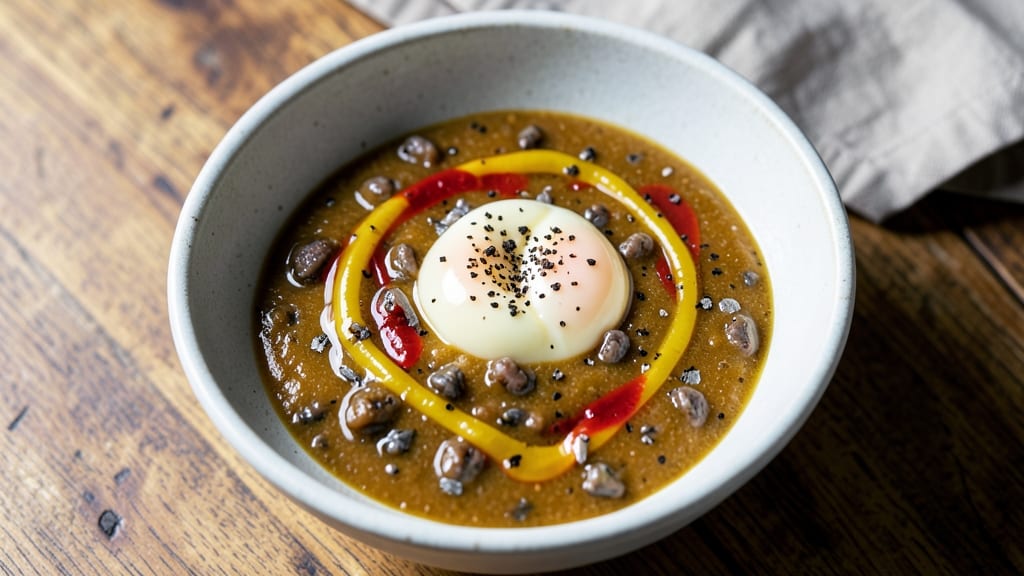
This Caesar salad dressing recipe with sardines transforms a classic into something deeply umami-rich and oceanic. The sardines add a briny, savory depth that elevates traditional Caesar beyond creamy to extraordinary.
I developed this version after years of experimenting with anchovies and realized sardines—with their delicate, buttery texture—were the missing piece for that perfect balance of richness and complexity.
What makes this dressing special is how the sardines melt into a velvety emulsion while maintaining their oceanic essence. The egg yolks create that signature creamy texture, but the sardines ensure it’s never one-dimensional.
Garlic, lemon, and Dijon mustard round out the flavors, while olive oil ties everything together in a silky, clingy sauce. It’s the kind of dressing that makes every bite of Caesar salad feel like a restaurant-quality experience.
The result is a dressing that’s smooth yet vibrant, with layers of flavor that develop even more after chilling. It clings perfectly to romaine, croutons, and toppings, delivering that signature tangy, savory punch with an added oceanic richness.
This isn’t just another Caesar dressing—it’s a game-changer that turns a simple salad into a standout dish. Store it in the fridge for up to a week, shaking gently before each use.
Perfect for batching ahead, this dressing keeps its creamy texture and bold flavor even after a few days. The sardines dissolve completely, leaving behind only that irresistible umami richness.
Whether you’re prepping for a crowd or treating yourself to a gourmet salad night, this recipe delivers every time. Here’s how to make it—simple, foolproof, and unforgettable.
Ingredients for caesar salad dressing recipe with sardines
Nine ingredients blend into a velvety, umami-packed Caesar dressing with oceanic richness.
| Ingredient | Amount | Notes |
|---|---|---|
| Sardines in Olive Oil 🐟 | 4 oz | Drained, packed in olive oil |
| Large Egg Yolks 🥚 | 3 whole | Fresh, room temperature |
| Extra-Virgin Olive Oil 🫒 | ¾ cup | High quality, fruity |
| Fresh Lemon Juice 🍋 | 3 tbsp | Freshly squeezed |
| Dijon Mustard 🌶️ | 1 ½ tbsp | Mild or hot variety |
| Garlic Cloves 🧄 | 2 cloves | Peeled, minced |
| Anchovy Fillets 🐟 | 2 whole | Optional for extra depth |
| Granulated Garlic 🧄 | ½ tsp | For extra flavor |
| Kosher Salt 🧂 | ½ tsp | Diamond Crystal preferred |
| Black Pepper 🌶️ | ¼ tsp | Freshly ground |
The sardines are the star here—look for high-quality, sustainably packed brands like Wild Planet or Ocean's or their olive oil-packed counterparts. The freshness of the egg yolks can't be overstated; room temperature yolks emulsify better—no need to temper them, just let them sit for 10 minutes. For the olive oil, avoid light or refined varieties—you want something with character, like California Extra Virgin. Anchovies are optional but recommended for that extra layer of complexity; Cinzano or Colavita are reliable brands. If you're using them, crush them finely so they dissolve completely into the emulsion.
No sardines? Increase anchovies to 4 fillets for similar umami depth, though the texture won't be identical. Running short on Dijon? Substitute 1 tbsp whole-grain mustard, but it'll be slightly grainier. The lemon juice can be bottled, but freshly squeezed delivers brighter acidity. For garlic, fresh minced is ideal, but granulated works in a pinch—just add an extra pinch for flavor. If you're making this ahead, chill the dressing for at least 2 hours before using; the flavors meld beautifully overnight.
This dressing keeps for up to 1 week in the fridge, but the texture thickens over time—shake gently before use to re-emulsify. For longer storage, portion into ice cube trays, freeze, and transfer to a bag; thaw overnight in the fridge. The sardines dissolve completely, so you won’t taste their texture—just that irresistible oceanic richness. If the dressing separates, just whisk vigorously or use an immersion blender to restore its silky consistency.
Why You'll Love This Recipe
- Five-Ingredient Magic: I swear by this list—no chopping, no straining, just crack, whisk, and taste. The sardines do all the heavy lifting while I stand there admiring my own efficiency.
- Umami Bomb: That first bite? The sardines bring this dressing to life with a salty, briny punch that cuts through the richness of the yolks and mustard. Honestly, it’s the kind of flavor that makes you pause mid-bite.
- Weeknight to Fancy: Same dressing, endless uses—drizzle it over grilled fish, toss with pasta, or slather it on toasted bread. I’ve even used it as a dip for crusty bread when I’m too tired to cook.
- Budget Bright Spot: Sardines in oil are my secret for stretching a dollar without sacrificing flavor. A single can turns a simple salad into something special, and the yolks add creaminess without breaking the bank.
Step-by-step instructions for sardine-infused Caesar dressing
This umami-rich dressing transforms classic Caesar with oceanic depth and velvety texture.
Blend Sardines and Anchovies for Flavor Base
Drain the 4 oz sardines in olive oil thoroughly, reserving 2 tablespoons of their oil for later. Place the drained sardines in a food processor along with the 2 whole anchovy fillets and 2 cloves garlic cloves. Pulse until completely broken down, scraping down the sides as needed. This creates the flavor foundation—don't skip blending the anchovies, as they dissolve into the mixture for maximum umami.
The mixture should resemble a fine paste with no visible fish pieces. If it looks too thick, add 1 teaspoon of the reserved sardine oil to help emulsify later. Set aside while you prepare the other ingredients. The sardine oil contains flavor compounds that will enhance the dressing's richness, so don't discard it completely.
Whisk Egg Yolks and Dijon for Creamy Foundation
In a medium bowl, whisk together the 3 whole large egg yolks and 1.5 tablespoons Dijon mustard until smooth and pale yellow. This combination creates the creamy base that will bind all the ingredients. Add the 0.5 teaspoon granulated garlic and whisk again to distribute evenly. The Dijon mustard adds tangy depth that balances the sardine's saltiness.
Place the bowl over a pot of barely simmering water (double boiler method) and whisk constantly for 2-3 minutes until the mixture thickens slightly but remains pourable. You're looking for a ribbon-like consistency when you lift the whisk—the mixture should coat the back of the spoon but still flow smoothly. This step prevents scrambled eggs while building emulsification properties.
Gradually Incorporate Olive Oil and Lemon
With the egg mixture still warm, slowly drizzle in the 0.75 cup extra-virgin olive oil while whisking vigorously. Add it in a thin, steady stream—this gradual incorporation prevents the dressing from breaking. After each addition, whisk for 10-15 seconds before adding more. The olive oil should emulsify completely, creating a thick, mayonnaise-like consistency.
Add the 3 tablespoons fresh lemon juice and whisk again. The acidity helps stabilize the emulsion and brightens the sardine's rich flavor. Taste the mixture at this point—you should detect a balance of salt, umami, and citrus. If it tastes too strong, you can adjust with additional lemon juice or a pinch of salt later, but the sardine base provides enough natural saltiness.
Combine and Season to Perfection
Transfer the sardine paste from the food processor to the egg mixture and whisk until fully incorporated. The dressing should take on a slightly darker hue from the sardines. Add the 0.5 teaspoon kosher salt and 0.25 teaspoon black pepper, whisking until dissolved. For maximum flavor, let the dressing sit at room temperature for 10 minutes before using—this allows the flavors to meld completely.
This dressing should have a luxurious, almost velvety texture with a pronounced oceanic depth. The sardines add a subtle brininess that elevates classic Caesar beyond the usual anchovy version. Use immediately on crisp romaine with your choice of croutons and Parmesan. The dressing will keep in the refrigerator for up to 5 days, though it's best used within 2-3 days for peak freshness.
Pro Tips For Making Caesar Salad Dressing Recipe With Sardines
- Whisk Slowly, Warm First: Heat the egg yolks and Dijon mustard in a small saucepan over the lowest possible simmer—just until the yolks thicken slightly but don’t scramble. Then whisk in the sardines (drained, patted dry) and lemon juice gradually, or you’ll end up with a broken emulsion. I learned this the hard way when my first batch curdled into a sad, grainy mess.
- Drain, Pat, Repeat: Sardines in oil are convenient, but the excess oil will turn your dressing into a greasy sludge. Drain them, then press them between two paper towels for 30 seconds—yes, even if they’re "drained." The extra effort keeps the dressing light and balanced, not drowning in oil.
- Lemon Juice First: Add the fresh lemon juice before the olive oil, not after. The acid cuts through the richness of the yolks and sardines, making the emulsion stable from the start. Skip this step, and you’ll spend 10 minutes trying to fix a dressing that’s already separating.
- Reserve the Sardine Oil: Save the oil from the canned sardines—about 1 tablespoon—and fold it into the finished dressing at the end. It deepens the flavor without overpowering, and it’s the one ingredient that makes this version taste like a restaurant Caesar, not just a homemade knockoff. (Yes, it’s worth the extra spoonful.)
Make-ahead tips for this caesar salad dressing recipe with sardines
Batch Prep Essentials
Make a double batch of this dressing—it’s perfect for crowd-pleasing gatherings. I always double the recipe when hosting dinner parties at our Austin home. Use a stand mixer with a whisk attachment to streamline the emulsification process, especially when scaling up.
The mixer handles the heavy lifting while you focus on flavor adjustments. 💪
Storage Secrets
Store your dressing in a glass jar with an airtight lid—I prefer Le Parfait jars for their wide mouths. The glass preserves flavor better than plastic, and the wide opening makes shaking easier.
Keep it in the fridge for up to 7 days, but the texture thickens over time. Before using, shake gently to re-emulsify—no need to whisk if you're patient. For longer storage, freeze in 1-tablespoon portions using ice cube trays, then transfer to a freezer bag.
Thaw overnight in the fridge.
Flavor Development
Let the dressing rest for at least 2 hours before serving—this is where the magic happens. The sardines' umami deepens, and the egg yolks fully integrate. I often make it the night before and let it sit overnight; the flavors become more complex and balanced.
If you're short on time, chill for 30 minutes—it’ll still be delicious, just slightly less developed. The lemon juice brightens as it rests, cutting through the richness perfectly.
Reheating Tips
Never microwave this dressing—it breaks the emulsion and ruins the texture. Instead, place the jar in a bowl of warm water for 1-2 minutes to gently restore its creamy consistency. If it’s too thick after chilling, add 1 teaspoon of warm water and whisk vigorously.
For extra richness, drizzle in 1 tablespoon of high-quality olive oil before serving. The sardines' flavor shines when the dressing is at room temperature, so let it sit for 5 minutes before tossing with salad.
Make-Ahead Meal Prep
Prep this dressing alongside your salad components for a foolproof meal prep. Store the dressing separately in a jar, and keep croutons, Parmesan, and romaine in airtight containers. Assemble everything the night before—just toss when ready to eat.
I love this method for busy weeknights; it takes 10 minutes to assemble a restaurant-quality Caesar salad. The sardines' flavor actually improves after a day in the fridge, making it perfect for meal prep. ✨
Nutrition facts
Frequently asked questions
Can I use canned sardines instead of fresh?
This recipe is designed for canned sardines in olive oil—they're the perfect vehicle for that briny, umami flavor. Just drain them thoroughly and reserve 2 tablespoons of their oil for the emulsion. The canned variety works better than fresh because it's pre-cooked and has a more consistent texture. Look for brands packed in high-quality olive oil for the best flavor.
Why does my dressing look too thick or separate?
Emulsions can break if you add oil too quickly or if the egg yolks aren't warm enough. For thick dressing, whisk in 1 teaspoon of warm water to thin it. If it separates, gently whisk or use an immersion blender to re-emulsify. The key is patience—add oil in a slow, steady stream while whisking constantly. If it still breaks, try making a fresh batch with slightly more Dijon mustard (it helps stabilize).
Can I make this dressing without eggs?
While eggs create that signature creamy texture, you can substitute with 3 tablespoons of vegan mayo or a vegan egg yolk replacement. However, the dressing will be less rich and may not cling as well to salad. For a vegan version, use a high-quality olive oil-based mayo and increase the Dijon mustard to 2 tablespoons for better emulsification. The sardine flavor will still shine through, but the texture will be lighter.
How much dressing should I make for a salad?
This recipe yields about 1 cup of dressing, which is perfect for 2-3 large Caesar salads (about 4 cups of romaine each). For a party, double the recipe—it keeps well in the fridge. If you prefer a lighter dressing, thin with 1-2 tablespoons of lemon juice or water before tossing. The sardines add enough richness that you don't need extra oil, so the dressing is naturally balanced.
Can I add other seafood flavors?
You could experiment with smoked oysters or mackerel for a different oceanic twist, but sardines are ideal because they melt smoothly into the dressing. For a smoky variation, add ½ teaspoon of smoked paprika or a dash of liquid smoke. If you want extra depth, try 1 teaspoon of capers (finely chopped) along with the sardines—they add a tangy brightness that pairs beautifully with the umami.