
Salads
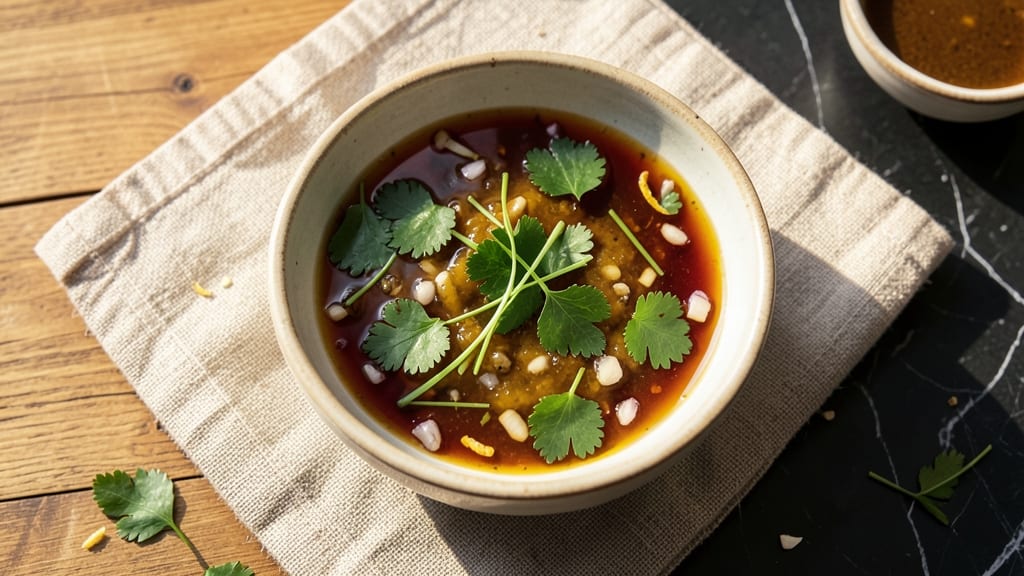
This classic vinaigrette salad dressing recipe delivers the perfect balance of tangy acidity and rich oil in just minutes. The secret lies in precise proportions—Dijon mustard as an emulsifier, sharp vinegar for brightness, and fresh herbs that elevate every bite.
I've perfected this ratio over years of testing, ensuring it works with any salad or as a marinade.
The foundation begins with a 3-to-1 oil-to-vinegar ratio, where high-quality olive oil provides richness while red wine vinegar adds depth. A touch of Dijon mustard binds the ingredients, creating a stable emulsion that won't separate.
Fresh garlic and herbs like parsley or tarragon contribute aromatic complexity that transforms simple greens into a gourmet experience.
What you'll achieve is a dressing that's bold yet refined—equally effective on a rustic farm salad or a delicate arugula blend. The acidity cuts through rich ingredients while enhancing their natural flavors, making this the ultimate versatile dressing.
With proper storage, it keeps for up to a week in the refrigerator, maintaining its vibrant color and zesty punch.
For those who prefer variations, consider swapping white wine vinegar for balsamic or infusing the oil with shallots before combining. The possibilities are endless while maintaining that classic vinaigrette foundation. Let's create this dressing that will become your kitchen staple.
Ingredients for classic vinaigrette salad dressing
Nine essential ingredients for a restaurant-quality vinaigrette that transforms any salad.
| Ingredient | Amount | Notes |
|---|---|---|
| Extra-Virgin Olive Oil 🫒 | ¾ cup | High-quality, fruity variety preferred |
| Red Wine Vinegar 🍷 | ¼ cup | Bold, dry variety for depth |
| Dijon Mustard 🌿 | 1 tbsp | For stable emulsion |
| Fresh Garlic Cloves 🧄 | 2 cloves | Minced for aromatic complexity |
| Fresh Parsley Leaves 🌿 | ¼ cup | Finely chopped for freshness |
| Fresh Tarragon Leaves 🌿 | ⅛ cup | Finely chopped for herbal depth |
| Salt 🧂 | ½ tsp | Diamond Crystal preferred |
| Ground Black Pepper 🌶️ | ¼ tsp | Freshly ground for best flavor |
| Shallots 🧅 | 1 whole | Minced for subtle sweetness |
The olive oil is non-negotiable—look for extra-virgin with fruity notes at specialty stores like Whole Foods or Trader Joe's. Red wine vinegar should be bold and dry; Bartles & Jaymes or Annie's are reliable brands. Fresh herbs are critical: parsley and tarragon should be vibrant, not wilted. Shallots add subtle sweetness—substitute with 1/4 tsp onion powder if unavailable. The Dijon mustard acts as an emulsifier, so Maille is my go-to brand for that perfect texture.
No red wine vinegar? White wine vinegar or apple cider vinegar work in a pinch, though the flavor profile shifts slightly. Swap tarragon for fresh basil or thyme if preferred, adjusting to taste. For a sharper kick, add 1/2 tsp capers or 1 tsp lemon juice. The garlic and shallots can be pre-minced from jars—no need to chop fresh if short on time. If you prefer a smoother texture, blend the herbs briefly before mixing.
This dressing stays fresh for up to 1 week in the fridge, sealed tightly. For longer storage, transfer to a sterilized jar and keep submerged in oil. The emulsion may separate—simply shake vigorously before use. For best flavor, make fresh every 3-4 days. Portion into small containers for salads, marinades, or drizzling over roasted vegetables.
Why You'll Love This Recipe
- Five-Ingredient Magic: I swear by this combo—just oil, vinegar, mustard, garlic, and parsley. No fancy gadgets, no stress, and no second-guessing what to toss in. Honestly, it’s the kind of recipe where you can open the fridge and know you’ve got it covered.
- Garlic-Kissed Crunch: That raw garlic and Dijon mustard? It’s the secret weapon. The vinegar cuts through the richness of the olive oil while the parsley keeps it bright and fresh—not too heavy, not too sharp, but just right. I’ll be real: the first time I skipped the garlic, I regretted it instantly.
- Meals for Days: Make a big batch and use it for everything—salads, roasted veggies, even drizzled over grilled chicken. Between us, I’ve had this dressing last me a full week, and it’s still the star of my lunches. No sad, wilted greens here—just flavor that sticks around.
- Pantry Staple Power: You’re already buying these ingredients, so why not combine them? No extra shopping trips, no weird ingredients to track down. And if you’ve got leftovers? Just store them in the fridge and shake before using—no reheating, no fuss. Budget-friendly and foolproof.
Step-by-step instructions for classic vinaigrette salad dressing
This method delivers a perfectly balanced, restaurant-quality vinaigrette every time.
Prepare the Herb and Aromatic Base
In a small bowl, finely chop the 1 whole shallots into tiny pieces—think almost paste-like consistency. This ensures the shallots dissolve completely into the dressing rather than creating texture. Add the 2 cloves fresh garlic cloves, mincing them finely to avoid any noticeable chunks in your final dressing.
Next, combine the 0.25 cup fresh parsley leaves and 0.125 cup fresh tarragon leaves. I like to use the flat side of my chef's knife to gently press the herbs against the cutting board, creating a fine chop rather than a rough one. This releases more of their aromatic oils into the dressing. Set these prepared ingredients aside for now.
Whisk the Vinegar and Mustard
In a medium bowl, measure out the 0.25 cup red wine vinegar and 1 tbsp Dijon mustard. The Dijon mustard acts as an emulsifier, helping the oil and vinegar blend smoothly. Whisk these ingredients together vigorously for 30 seconds until fully combined and slightly thickened.
This initial mixture should look like a smooth, pale yellow paste. If you notice any lumps in the mustard, press it through a fine-mesh strainer to ensure a silky texture. The vinegar will provide the tangy foundation, while the mustard adds depth and stability to the emulsion.
Gradually Incorporate the Olive Oil
With the whisk still in the bowl, begin adding the 0.75 cup extra-virgin olive oil in a slow, steady stream. Start with just a few drops at first, whisking continuously. This gradual approach prevents the oil from separating and allows the mustard to properly emulsify the mixture.
As you add more oil, you'll notice the dressing begin to thicken and take on a creamy consistency. Keep whisking for another 2-3 minutes after all the oil is incorporated. The dressing should now coat the back of a spoon and hold its shape when drizzled—this indicates a proper emulsion.
Season and Finish the Dressing
Add the prepared shallot and garlic mixture to the bowl, along with the 0.5 tsp salt and 0.25 tsp ground black pepper. Whisk everything together for 30 seconds to distribute the flavors evenly. Taste the dressing at this point—it should be tangy from the vinegar, with a subtle sweetness from the shallots and a peppery finish.
If the dressing needs more acidity, add another teaspoon of vinegar. For more richness, incorporate another tablespoon of olive oil. The key is balance—you want the herbs to shine while the vinegar and oil create a harmonious foundation. Once satisfied with the flavor, transfer the dressing to a clean jar or airtight container.
Rest and Adjust for Perfect Texture
Let the dressing rest at room temperature for 10-15 minutes before using. This resting period allows the flavors to meld completely and ensures the emulsion remains stable. If you notice any separation after resting, simply whisk vigorously for 10-15 seconds to re-emulsify.
The dressing should now be ready to use immediately or store in the refrigerator for up to 1 week. For best results, shake or whisk before each use to maintain the perfect consistency. This classic vinaigrette pairs beautifully with mixed greens, roasted vegetables, or grilled proteins, delivering bold herb balance in every bite.
Pro Tips For Making Classic Vinaigrette Salad Dressing
- Mince That Garlic Fine: I used to crush garlic cloves with the flat side of my knife, but that leaves uneven bits that turn bitter in the dressing. Instead, chop it into a paste with the blade of your knife—press down hard, then rock the blade forward and back like you’re sharpening a pencil. This releases the flavor evenly and avoids that harsh, lingering bite.
- Whisk in Stages: Don’t dump all the oil in at once—it’ll just float on top and make a greasy mess. Start with the vinegar, mustard, and minced garlic, whisking until smooth. Then, slowly drizzle in the olive oil while whisking vigorously. This emulsifies the dressing properly and keeps it silky, not separated.
- Use Cold Mustard: I learned this the hard way—warm Dijon mustard thins out too fast and can make your dressing runny. Keep the jar refrigerated and scoop out what you need with a cold spoon. The chill helps stabilize the emulsion, so your dressing stays thick and clingy on greens.
- Strain the Parsley: Chopping parsley leaves too finely turns your dressing into a muddy slurry. Instead, tear the leaves roughly between your fingers, then give the mixture a quick pass through a fine-mesh strainer. This keeps texture and color vibrant while avoiding the gritty mouthfeel that ruins a good vinaigrette.
Pro cooking tips for great classic vinaigrette salad dressing
Emulsification Secrets
The 3-to-1 oil-to-vinegar ratio is non-negotiable for stability, but the real magic happens with the Dijon mustard. It acts as an emulsifier, binding oil and vinegar at a molecular level. I always use Maille mustard—its smooth texture blends perfectly without graininess.
Start by whisking the vinegar and mustard together until they form a thick paste before adding oil drop by drop. This gradual incorporation prevents separation. 💡
Herb Freshness Matters
Fresh herbs like parsley and tarragon should be vibrant, not wilted. I chop them finely using the flat of my knife to release their oils—this makes a huge difference in flavor. For extra potency, pulse the herbs briefly in a food processor before mixing.
If using dried herbs, reduce to 1/4 tsp per fresh tablespoon and infuse them in the oil for 5 minutes before combining.
Temperature Control
Work with ingredients at room temperature for the smoothest emulsion. Cold vinegar or oil can cause the dressing to separate. If your kitchen is chilly, let the olive oil sit out for 10-15 minutes before using.
Warm the vinegar slightly by holding the bottle in your palm for a minute—this helps the mustard activate more effectively. A wire whisk is ideal, but a small jar with a tight lid works too!
Flavor Balancing
Taste as you go! The dressing should be tangy, herby, and slightly peppery—not overpowering. If it tastes flat, add another 1/2 tsp vinegar. Too rich? Thin with 1 tsp water or lemon juice.
For depth, infuse the oil with 1 minced garlic clove for 10 minutes before mixing. I often add a pinch of smoked paprika for a subtle smoky note that elevates everything. ✨
Storage Hacks
Store in a sterilized glass jar with a tight seal to prevent oxidation. Keep it submerged in oil if storing for more than 3 days—this preserves freshness. Before using, shake vigorously for 10 seconds to re-emulsify.
For longer shelf life, freeze in ice cube trays and thaw as needed. The dressing keeps its vibrant color and zesty punch for up to 1 week in the fridge. ❄️
Pro Tools
Invest in a high-quality whisk (I love the OXO Good Grips) for smooth emulsification. A fine-mesh strainer removes any herb bits for a silky texture. For precision, use a kitchen scale to measure oil and vinegar by weight—this ensures consistency every time.
A small mixing bowl (6-8 inches) gives you enough room to whisk without spills. These tools make all the difference! 💪
Nutrition facts
Frequently asked questions
Why does my vinaigrette separate after making it?
Separation happens when oil and vinegar aren't properly emulsified. Always whisk the vinegar and mustard into a paste first, then add oil drop by drop while whisking constantly. If it separates later, just whisk vigorously for 10-15 seconds before using. Cold ingredients can also cause separation—let oil and vinegar sit at room temperature for 10 minutes before mixing.
Can I make this dressing without Dijon mustard?
Yes! If you're missing Dijon, use 1 tbsp regular yellow mustard or 1 tsp honey as an alternative emulsifier. For a mustard-free version, whisk the vinegar with 1 tsp cornstarch or arrowroot powder until thickened before adding oil. The texture will be slightly thinner but still stable.
How can I adjust this dressing for different salad types?
For earthy greens like kale, add 1 tsp maple syrup to balance acidity. With delicate greens like arugula, reduce vinegar to 2 tbsp and increase oil to 1 cup for a milder flavor. For hearty salads with roasted veggies, boost herbs to 0.5 cup total and add 1/2 tsp smoked paprika for depth.
What's the best way to store leftover dressing?
Transfer to a sterilized glass jar and store in the fridge for up to 1 week. For longer storage, freeze in ice cube trays—thaw cubes in the fridge as needed. Always shake well before using. To preserve freshness, keep the dressing submerged in oil if storing beyond 3 days. The emulsion may separate but will re-emulsify when shaken.
Can I use this dressing as a marinade?
This vinaigrette makes an excellent marinade for chicken, fish, or tofu. For safety, marinate proteins for no more than 4 hours in the fridge. For vegetables, you can marinate up to 8 hours. The acidity helps tenderize meat while adding incredible flavor. Just reduce the oil to 0.5 cup to prevent sogginess when grilling.