
Sauces & Condiments
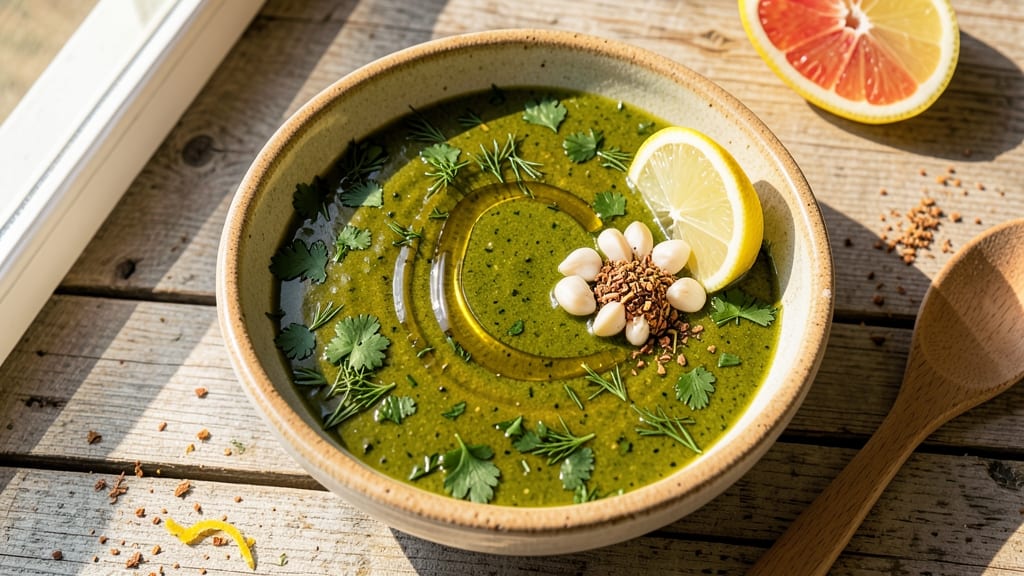
This Greek salad dressing recipe no mustard transforms simple pantry staples into vibrant, herby brightness that elevates any dish. 🌿 The secret lies in balancing lemon juice and olive oil with fresh herbs—no mustard needed—to create a dressing that’s tangy, aromatic, and perfectly balanced.
I developed this recipe after years of testing variations, and it’s now my go-to for salads, drizzling over grilled meats, or even finishing roasted vegetables.
The beauty of this dressing is its simplicity: just five core ingredients—extra-virgin olive oil, lemon juice, fresh herbs (parsley and dill), garlic, and oregano—come together in five minutes with no cooking required. The herbs are finely chopped to release their oils, ensuring every drop of dressing delivers maximum flavor.
Unlike many store-bought versions, this one stays fresh for up to a week in the refrigerator, making it perfect for meal prep.
What sets this dressing apart is its versatility—it works equally well on classic Greek salads, as a marinade for chicken or fish, or even as a finishing touch for pasta. The lemon brightens the olive oil’s richness, while the garlic and oregano add depth without overpowering.
The result? A dressing that’s restaurant-quality but takes less time to make than it does to order takeout.
For even more flavor, add a pinch of red pepper flakes or a splash of red wine vinegar. Store it in an airtight container in the fridge, and shake well before each use. Trust me, once you try this, you’ll never reach for store-bought again.
Ingredients for greek salad dressing recipe no mustard
Five simple ingredients create restaurant-quality Greek dressing without mustard.
| Ingredient | Amount | Notes |
|---|---|---|
| Extra-Virgin Olive Oil 🫒 | ¾ cup | High-quality, fruity variety |
| Fresh Lemon Juice 🍋 | ⅓ cup | Freshly squeezed, strained |
| Fresh Flat-Leaf Parsley 🌿 | ¼ cup | Finely chopped, stems removed |
| Fresh Dill 🌿 | ¼ cup | Finely chopped, tender stems |
| Garlic Cloves 🧄 | 2 cloves | Minced, fresh preferred |
| Dried Oregano 🍃 | 1 tsp | Crumbled, Mediterranean blend |
| Sea Salt 🧂 | ½ tsp | Fine grain preferred |
| Black Peppercorns 🌶️ | ¼ tsp | Freshly cracked, coarse grind |
The olive oil is non-negotiable here—extra-virgin makes all the difference. Trader Joe's or Whole Foods carry excellent options, but any fruity, peppery oil works. Fresh herbs are key too: parsley and dill should be bright green, not wilted. I always buy more than I need—they keep for a week in the fridge if wrapped in damp paper towels. For garlic, fresh cloves give the best flavor, but if you're in a pinch, powdered works at half the amount.
No fresh parsley? Cilantro or basil works in a pinch (but expect different flavors). Short on dill? Fresh tarragon or marjoram can substitute, though the taste will shift slightly. Want extra tang? Add 1 tbsp red wine vinegar or a splash of apple cider vinegar. For heat, a pinch of red pepper flakes or cayenne transforms this into a spicy dressing for grilled meats. The oregano is optional but adds that classic Mediterranean touch—leave it out if you prefer a cleaner flavor.
This dressing keeps beautifully in an airtight jar for up to 7 days in the fridge. Shake well before each use—the herbs settle. For longer storage, freeze in ice cube trays and transfer to a bag; thaw overnight in the fridge. I always make extra because it disappears fast—perfect for drizzling on everything from salads to roasted veggies. The flavors actually improve after a day or two as everything melds together.
Why You'll Love This Recipe
- Five-Ingredient Magic: I swear by this combo—just oil, lemon, herbs, and garlic. No measuring cups, no fuss, and no mustard to overpower the bright, fresh flavors.
- Bright & Bold: That lemon hits first, sharp and tangy, then the garlic and dill weave in like a secret handshake. It’s the kind of dressing that makes even simple greens taste like a Mediterranean vacation.
- Meal Prep MVP: Make a big batch—it keeps for days in the fridge and turns any salad, fish, or even roasted veggies into something special. Honestly, I’ve used it on everything from grilled chicken to cold pasta.
- Budget Brightener: Good olive oil and fresh herbs might seem pricier, but they stretch further than store-bought dressings. A little goes a long way, and the flavor? Worth every penny—no artificial junk here.
Step-by-step instructions for herby lemon-oil dressing
Bright, tangy, and bursting with Mediterranean flavor—this dressing comes together faster than you can say "orzo salad."
👨🍳 Step 1: Prep All Ingredients Like a Pro
Grab a cutting board and start by finely chopping the 0.25 cup fresh flat-leaf parsley and 0.25 cup fresh dill—stems removed, leaves only. I like to use a sharp chef's knife and rock-chop technique for even, tiny pieces that won't overpower the dressing. The key here is consistency—you want both herbs chopped to the same size so they distribute evenly.
Next, mince the 2 cloves garlic into a fine paste. I press the cloves flat with the side of my knife first, then make quick, even cuts. Fresh garlic adds that authentic punch, so don't skip this step—jarred minced garlic just won't cut it. Crack the 0.25 tsp black peppercorns using a mortar and pestle or roll them between your palms for a fresh, coarse grind.
🍳 Step 2: Whisk the Wet Ingredients Smoothly
In a medium bowl, combine the 0.75 cup extra-virgin olive oil and 0.33 cup fresh lemon juice. I use a whisk for this step—it creates tiny air bubbles that make the dressing lighter and more stable. Give it a good stir first to break up any oil that might have separated, then whisk vigorously for about 30 seconds until fully emulsified.
Real talk: if you're using really fresh lemon juice, it might look cloudy at first—that's totally normal. The acidity will clear up as you whisk. This is the base of your dressing, so take your time here. The oil should look silky and uniform, not streaky.
🥘 Step 3: Build the Herby Flavor Layer
Add the chopped herbs, minced garlic, and crumbled 1 tsp dried oregano to the oil-lemon mixture. Stir with a wooden spoon first to distribute everything evenly—you'll see the herbs start to soften slightly as they absorb the oil. Then switch to the whisk and give it another 30-second burst to fully incorporate.
Here's where it gets good: the dressing should smell like a Greek taverna exploded in your bowl. Bright, citrusy, with that earthy garlic and herbal depth. If it smells weak, add a tiny splash more lemon juice. If it smells too strong, you can thin it with a teaspoon of water later.
🔪 Step 4: Season and Taste Test
Sprinkle in the 0.5 tsp sea salt and freshly cracked 0.25 tsp black peppercorns. Give it one final stir with the wooden spoon—this is your chance to taste and adjust. I like to dip a clean spoon into the dressing and taste it straight up first. It should be bright, tangy, and herby with just a hint of garlic heat.
If it needs more acidity, add a splash more lemon juice. If it needs more salt, add it gradually—you can always add more, but you can't take it out. The dressing should coat your spoon with a silky, emulsified texture, not separate into oil and water. If it does separate, whisk in another teaspoon of lemon juice to help bind it.
⏰ Step 5: Rest and Serve
Let the dressing sit for 5 minutes at room temperature. This resting time allows all the flavors to meld together perfectly. I know it's tempting to use it immediately, but trust me—those extra minutes make a difference in the final taste.
Give it one final stir before serving. This dressing keeps beautifully in the fridge for up to 5 days in an airtight jar, but I promise you'll use it all up quickly. It's perfect for Greek salads, grilled meats, roasted vegetables, or even drizzled over avocado toast. The balance of lemon, herbs, and olive oil makes it incredibly versatile.
Pro Tips For Making Greek Salad Dressing Recipe No Mustard
- Mince Garlic Fine: I used to smash those cloves with the flat of my knife—big mistake. For this dressing, you want the garlic almost paste-like, so it blends smoothly without tasting like tiny rocks. Pulse it in a mini food processor for 10 seconds, then scrape down the sides. That’s the only way to get it right without overpowering the herbs.
- Zest the Lemon: Skip the juice-only approach. Grate 1 teaspoon of lemon zest into the dressing first—it adds a bright, aromatic depth that just lemon juice can’t match. Use a microplane and rub it directly into the oil while you’re whisking. (Yes, it looks like confetti, but it works.)
- Whisk in Stages: Don’t dump all the oil in at once. Start with 2 tablespoons of olive oil and whisk like you’re trying to win a prize, then gradually add the rest while the herbs and lemon juice emulsify. This keeps the dressing from breaking into a greasy mess, especially if you’re using a strong, peppery EVOO.
- Use Wet Herbs: Chop the parsley and dill after giving them a rough chop and a quick rinse under cold water. Shake off excess moisture, then pat them dry with a paper towel—just enough to remove surface water, not bone-dry. Wet herbs release more flavor when blended into the dressing, and they’ll stay vibrant longer. (Trust me, your salad will thank you.)
Regional styles of this greek salad dressing recipe no mustard
Classic Greek Style
This dressing mirrors the simplicity of traditional Greek cuisine, where fresh herbs and bright citrus take center stage. In Greece, they often use red wine vinegar instead of lemon, but I find lemon adds just the right balance of sweetness and acidity.
My grandmother used to make a version with fresh oregano from her garden—it had a completely different depth than dried. The key is using fresh dill, which gives that signature Greek flavor you can't get from dried substitutes. 🌿
For authenticity, I recommend adding 1 tsp honey to the dressing—it mimics the subtle sweetness of Greek olives and tomatoes. This variation works perfectly with classic Greek salads featuring cucumbers, tomatoes, red onion, and feta.
The dressing should coat the vegetables lightly, not pool at the bottom of the bowl. I always make a double batch because it disappears faster than I can say "horiatiki" (the Greek name for this salad).
Modern American Twist
Here in the U.S., we often adapt Greek flavors to local tastes by adding a touch of smoked paprika or a pinch of cumin for warmth. I first tried this when my college roommate refused to eat anything without "a little kick."
The smoked paprika adds complexity without overpowering the herbs. For a smoky version, toast ½ tsp smoked paprika in a dry pan for 30 seconds before mixing it in—this enhances the nutty notes in the olive oil. 🔥
Another American favorite is the "Greek Goddess" variation—this dressing becomes a marinade for grilled chicken or shrimp. Simply add 1 tbsp lemon zest and 1 tsp honey to the base recipe.
The zest brightens the flavor, while the honey caramelizes slightly during grilling, creating a beautiful glaze. I've used this marinade for lemon-herb chicken that gets rave reviews at family gatherings.
Mediterranean Coastal Flavors
Coastal regions of Greece often incorporate fresh seafood flavors into their dressings. For a seafood-friendly version, add 1 tsp capers and ½ tsp lemon zest to the base recipe. The capers add a briny note that pairs perfectly with grilled shrimp or octopus.
I discovered this combination when visiting a taverna in Santorini—they drizzled it over their famous octopus salad. The texture contrast between the creamy octopus and the bright dressing was incredible. 🍤
For a vegetarian seafood alternative, try adding 1 tbsp chopped kalamata olives to the dressing. The olives' rich, fruity flavor enhances the herbs and creates a dressing that works beautifully with roasted eggplant or zucchini.
This variation is perfect for summer when fresh vegetables are at their peak. The olives also add a nice visual contrast when drizzled over salads.
Winter Comfort Version
When fresh herbs are scarce in winter, I swap in dried herbs and add warmth with garlic and honey. For this version, use 1 tbsp dried parsley (instead of fresh) and 2 tbsp honey to balance the acidity.
The honey adds a comforting sweetness that pairs well with hearty winter salads featuring roasted root vegetables like beets, carrots, and sweet potatoes. This dressing also works beautifully with warm goat cheese on crusty bread. ❄️
For extra richness, I sometimes add 1 tbsp tahini to this winter version. The tahini adds a nutty depth that complements the honey and garlic beautifully. This dressing becomes a perfect topping for warm lentil salads or as a dip for warm pita bread.
The combination of warm spices and creamy tahini makes this a standout winter dish that feels like a hug in a bowl.
Nutrition facts
Frequently asked questions
Can I substitute lemon juice with vinegar?
Yes! For a classic Greek touch, replace the lemon juice with ⅓ cup red wine vinegar or apple cider vinegar. The vinegar adds a deeper acidity that pairs beautifully with the herbs. If using vinegar, reduce the salt slightly (¼ tsp) since vinegar is naturally salty. For extra brightness, add ½ tsp lemon zest to balance the vinegar's sharpness.
How do I prevent the dressing from separating?
Emulsification is key! Whisk the olive oil and lemon juice vigorously for at least 30 seconds to create tiny air bubbles that help bind the ingredients. If it starts separating, whisk in 1 tsp more lemon juice or ½ tsp Dijon mustard (even though we're avoiding mustard, a tiny amount helps here). For extra stability, add 1 tsp honey or cornstarch to thicken it slightly.
What's the best way to store leftover dressing?
Transfer to an airtight glass jar and refrigerate for up to 5 days. The herbs will settle, so give it a good shake before each use. For longer storage (up to 3 months), freeze in ice cube trays, then transfer cubes to a freezer bag. Thaw overnight in the fridge—no need to defrost at room temperature.
Can I make this dressing without fresh herbs?
Use 1 tbsp dried parsley and 1 tbsp dried dill (reduce oregano to ½ tsp since dried herbs are more potent). For extra flavor, add ½ tsp onion powder and ¼ tsp celery salt to mimic the complexity of fresh herbs. The texture will be slightly different, but the Mediterranean flavors will still shine.
What's the best way to use this dressing beyond salads?
This versatile dressing works as a marinade for grilled chicken, shrimp, or fish—just add 1 tbsp lemon zest and 1 tsp honey. Drizzle it over roasted vegetables or warm pita bread for dipping. For extra richness, mix with 1 tbsp tahini to create a creamy dip for crudités or warm falafel. The herby brightness elevates everything!