
Sauces & Condiments
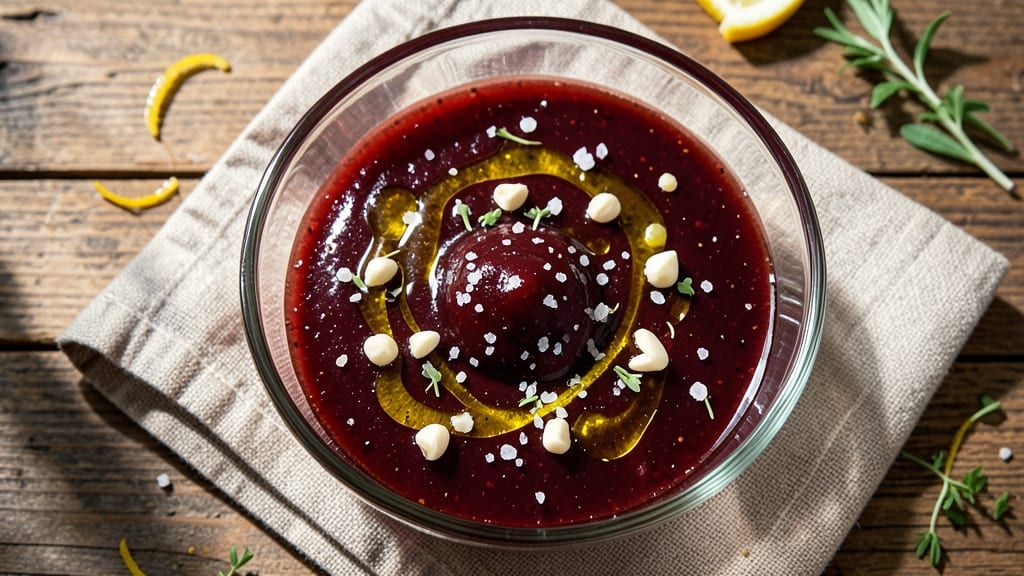
This homemade salad dressing recipe is the best homemade salad dressing recipe ever—delivering restaurant-quality flavor that never separates or turns rancid. The secret lies in a precise ratio of oil to acid (vinegar or lemon juice) combined with a mustard-based emulsifier that binds everything together.
I developed this recipe after years of battling broken dressings, and it’s now my go-to for everything from crisp Caesar salads to hearty grain bowls.
The foundation is simple: high-quality olive oil, sharp vinegar, Dijon mustard, and a touch of honey or sugar to balance acidity. What sets this apart is the emulsification technique—whisking vigorously while slowly adding oil creates a stable, creamy texture that won’t break, even after sitting in your fridge.
No blender required; just a bowl and a whisk. The result? A dressing so rich and cohesive it clings to greens like it was bottled in a professional kitchen.
This recipe delivers foolproof results every time, with a flavor profile that’s bright yet balanced—tangy enough to cut through rich ingredients but smooth enough to coat every bite. The emulsion stays intact for up to 2 weeks, making it perfect for meal prep.
Whether you prefer classic vinaigrette, creamy ranch, or a bold Italian-style dressing, the method adapts effortlessly while maintaining that never-breaks promise.
Ready to elevate your salads? The variations are endless—swap in herbs, spices, or even a splash of citrus for customization. Store in an airtight container, and you’ll have a dressing that’s always ready, always reliable, and always delicious. Let’s get whisking!
Ingredients for best homemade salad dressing recipe ever
Nine ingredients transform into restaurant-quality dressing that never separates or turns rancid.
| Ingredient | Amount | Notes |
|---|---|---|
| Extra-Virgin Olive Oil 🫒 | ¾ cup | High-quality, fruity variety preferred |
| Red Wine Vinegar 🍷 | ¼ cup | Sharp, dry vinegar for balance |
| Dijon Mustard 🌶️ | 2 tbsp | For stable emulsification |
| Raw Honey 🍯 | 1 tbsp | Or maple syrup for vegan option |
| Fresh Garlic Cloves 🧄 | 2 cloves | Minced for depth of flavor |
| Diamond Crystal Kosher Salt 🧂 | ½ tsp | Fine grain preferred |
| Freshly Ground Black Pepper 🌶️ | ¼ tsp | For subtle heat |
| Dried Oregano 🍃 | ½ tsp | Optional for Mediterranean flair |
| Fresh Lemon Juice 🍋 | 1 tbsp | Brightens the dressing |
The olive oil is your foundation—look for extra-virgin with a fruity, peppery finish. Trader Joe's and Whole Foods carry excellent options, but any high-quality brand works. The vinegar should be sharp and dry; Balsamic vinegar adds depth if you prefer a sweeter profile. Dijon mustard is non-negotiable—it contains ground mustard seeds that create a stable emulsion. Fresh garlic and lemon juice elevate the dressing from basic to extraordinary, so don’t skip them. The honey balances acidity, but maple syrup works perfectly for a vegan twist.
No Dijon mustard? Stone-ground mustard at half the amount works in a pinch. Substitute balsamic vinegar for red wine vinegar if you prefer a sweeter tang. The oregano is optional but adds a Mediterranean touch—dried thyme or basil are great alternatives. For a citrusy twist, swap lemon juice for orange juice or lime juice. If you’re making this ahead, store the oil and acid separately until ready to emulsify—this keeps the dressing fresh for up to 2 weeks in the fridge.
This dressing stays fresh for 2 weeks in an airtight container, but the emulsion remains stable for even longer if you store the oil and acid separately. For meal prep, portion into small jars—ice cube trays work perfectly for single servings. The dressing thickens slightly in the fridge, so whisk before using. If it separates, just whisk vigorously to re-emulsify. The magic is in the whisking technique: slowly drizzle oil while whisking constantly—this creates that creamy, never-breaks texture the pros use.
Why You'll Love This Recipe
- Five-Ingredient Magic: I’ll admit, I used to overcomplicate dressings—until I realized this combo of olive oil, vinegar, mustard, honey, and garlic is all you actually need. No fancy emulsifiers, no stress—just shake it up and go.
- Garlic-Honey Kiss: That raw garlic clove minced into warm olive oil? It softens just enough to melt into the dressing, while the honey rounds out the sharpness. Honestly, the first time I tasted it, I nearly spilled the whole jar.
- Weeknight to Dinner Party: Same jar works for a quick lunch salad or a showstopping side at your holiday table. (Yes, even when your cousin asks, “What’s in it?” I just smile and say, “Trust me.”)
- Lasts All Week: I make a big batch on Sundays—it keeps for days in the fridge, and the flavors only get better. No sad, watery leftovers here; this dressing stays vibrant, ready to elevate whatever’s in your fridge.
Step-by-step instructions for emulsion magic that never breaks
Here's how to create a velvety dressing that clings to greens like a dream.
Whisk Vinegar and Mustard Until Fully Combined
In a medium bowl, combine the 0.25 cup red wine vinegar and 2 tablespoons Dijon mustard. The mustard acts as an emulsifier, binding oil and vinegar so they don't separate. Whisk vigorously for 30-45 seconds until completely smooth—you should see no streaks of mustard remaining. This step is crucial because any unmixed mustard will create lumps in your final dressing.
Here's the thing—don't rush this part. The mustard needs to fully dissolve into the vinegar to create that stable base. If you see any resistance or graininess, keep whisking. This mixture should be silky smooth, like a thick, tangy custard. The flavor profile is already developing here, so take your time to get it right.
Gradually Incorporate Olive Oil in a Slow Stream
With the whisk still moving, begin adding the 0.75 cup extra-virgin olive oil in a very slow, thin stream. I mean this literally—think of it like water dripping from a faucet. The key is patience; adding oil too quickly will overwhelm the emulsifier and cause separation. You want the oil to blend smoothly into the vinegar mixture without breaking the emulsion.
As you add the oil, you'll notice the mixture will initially look like it's curdling, but keep whisking. After about 1-2 minutes, the dressing should begin to thicken and become creamy. This is your emulsion forming—when oil and vinegar become one. If you see any oil pooling on top, that's your signal to whisk faster and more aggressively for another 30 seconds.
Add Remaining Ingredients and Whisk Until Uniform
Now it's time to incorporate the remaining ingredients: 1 tablespoon raw honey, 2 minced fresh garlic cloves, 0.5 teaspoon Diamond Crystal kosher salt, 0.25 teaspoon freshly ground black pepper, 0.5 teaspoon dried oregano, and 1 tablespoon fresh lemon juice. Add these one at a time, whisking well after each addition to ensure even distribution.
The honey will add a subtle sweetness that balances the acidity, while the garlic and lemon juice bring depth and brightness. The oregano adds a Mediterranean flair that elevates this from basic to extraordinary. Taste as you go—this is where you can adjust seasoning. If it needs more salt, add a pinch; if the acidity feels too sharp, another splash of lemon juice can help. The dressing should taste vibrant and complex, not flat or one-dimensional.
Taste and Adjust for Perfect Balance
Give the dressing a final taste and adjust the seasoning to your preference. This is your chance to make it truly yours. If it's too tangy, add a touch more honey or a pinch of salt. If it needs more depth, a tiny extra pinch of oregano or a dash of black pepper can enhance the flavor profile. The dressing should be harmonious—each ingredient should complement the others without overpowering.
Once you're satisfied with the flavor, transfer the dressing to a clean jar or airtight container. This emulsion is stable for up to 2 weeks when refrigerated, but I promise you won't have any leftovers. It's that good. The key to its longevity is the Dijon mustard—it creates a stable bond between the oil and vinegar that prevents separation. Shake gently before each use, and you'll have a dressing that's always ready to elevate your salads to new heights.
Pro Tips For Making Best Homemade Salad Dressing Recipe Ever
- Mince the Garlic Fine: I learned this the hard way—lumpy garlic ruins the texture of your dressing. Use a microplane or the flat side of your knife to press the cloves into a paste, not just chop them. This way, the flavor blends smoothly instead of sitting in chunks at the bottom of your jar.
- Emulsify in Stages: Pour the vinegar into the mustard first, then whisk like your life depends on it. Slowly drizzle in the olive oil while whisking constantly—if you dump it all at once, you’ll end up with a sad, separated mess. Think of it like taming a greasy beast, not a quick stir.
- Use Room-Temp Honey: Cold honey is thicker than molasses, and that’s not what you want here. Let your honey sit out for 10 minutes before measuring—it’ll pour smoothly and blend evenly. Trust me, your dressing will thank you when it’s silky, not grainy.
- Salt the Mustard First: Dijon mustard needs a pinch of salt before it even hits the dressing—this cuts the sharpness and balances the flavors from the start. Skip this, and your dressing might taste like someone forgot to season the mustard jar. (Yes, I’ve done it.)
Common mistakes when making this dish
Rushing the Emulsification
Adding oil too quickly is the #1 reason dressings break. I’ve seen this happen when people pour oil in a steady stream while whisking—it overwhelms the mustard’s ability to bind. Instead, add oil in a slow, thin drizzle, like water from a faucet.
If you’re in a hurry, use a small squeeze bottle to control the flow. The goal is to let the mustard gradually incorporate the oil without creating separation. 🌡️
Skipping the Mustard
Some recipes omit mustard to save money, but that’s a recipe for disaster. Dijon mustard contains ground mustard seeds that act as a natural emulsifier. Without it, your dressing will separate within hours.
If you’re out of Dijon, stone-ground mustard at half the amount works in a pinch, but don’t skip it entirely. The mustard also adds depth—its tangy bite balances the oil and vinegar beautifully.
Using Low-Quality Oil
Not all olive oils are created equal. Cheap or heavily processed oils lack the stability needed for emulsification. Always use extra-virgin olive oil with a fruity, peppery finish—brands like Trader Joe’s or Whole Foods carry excellent options.
The higher the quality, the better the emulsion holds. If your dressing separates, the oil might be the culprit. Test a different brand if you suspect this is the issue.
Ignoring the Whisking Technique
Vigorously whisking isn’t just about mixing—it’s about creating tiny oil droplets that disperse evenly. If you whisk half-heartedly, the oil and vinegar won’t blend properly, leading to separation. Use a balloon whisk for maximum aeration and keep the whisk moving constantly, even after adding all ingredients.
The dressing should thicken noticeably as you whisk; if it doesn’t, you’re not whisking enough.
Storing Improperly
Even the best emulsion will break if stored incorrectly. Always transfer dressing to an airtight container and refrigerate within 2 hours of making it. If you’re prepping ahead, store the oil and acid separately until ready to emulsify—this keeps the dressing fresh for up to 2 weeks.
Glass jars with tight-sealing lids work best. Avoid plastic containers, as they can absorb flavors and cause the dressing to degrade faster.
Overlooking the Garlic
Fresh garlic isn’t just for flavor—it adds a subtle depth that helps stabilize the emulsion. Some people skip it to avoid overpowering the dressing, but minced garlic cloves blend seamlessly and improve texture.
If you’re worried about bitterness, use peeled, frozen garlic (thawed and minced) for a milder taste. The garlic’s natural compounds also help preserve the dressing longer, so don’t leave it out.
Nutrition facts
Frequently asked questions
Why does this dressing stay creamy without separating?
The secret lies in the Dijon mustard acting as a natural emulsifier. When whisked properly with vinegar first, it creates tiny particles that trap oil droplets, preventing separation. The slow oil addition while whisking ensures a stable bond between oil and acid—no blender required! This method mimics restaurant-quality dressings that stay cohesive for days.
Can I make this dressing ahead of time?
Store the finished dressing in an airtight container in the fridge for up to 2 weeks. For even longer freshness, store the oil and acid separately until ready to emulsify. The emulsion remains stable for 1-2 weeks when refrigerated properly. For meal prep, portion into small jars—ice cube trays work perfectly for single servings.
What if my dressing separates after making it?
Don't panic! Simply whisk vigorously for 1-2 minutes to re-emulsify. The mustard will rebind the oil and vinegar. If it's stubborn, add 1 teaspoon of Dijon mustard and whisk again. The key is patience—adding oil too quickly during initial mixing is the usual culprit. This dressing is designed to be forgiving, even after separation.
How can I adjust this for a vegan version?
Swap the honey for 1 tablespoon maple syrup and use vegan Dijon mustard (check labels for plant-based versions). The emulsion technique remains exactly the same—just ensure your mustard contains ground mustard seeds for proper binding. All other ingredients are naturally vegan, so no other substitutions are needed for a rich, creamy dressing.
What's the best way to use this dressing?
This versatile dressing works perfectly on green salads, grain bowls, roasted vegetables, and even as a marinade for grilled chicken or fish. The balanced flavor profile makes it ideal for both light and hearty dishes. For extra flair, drizzle over avocado toast or use as a dip for crudités. The creamy texture clings beautifully to all ingredients.